


Ever booked a hotel and then discovered a drastic price drop just days later? Or found prices soaring when you try again a week later? The rollercoaster of hotel rates isn’t just random chance; it’s the product of strategic business manoeuvres and technological wizardry behind the scenes. Let’s pull back the curtains on the surprising truths that shape the cost of your next getaway.
The Invisible Algorithms Shaping Your Stay
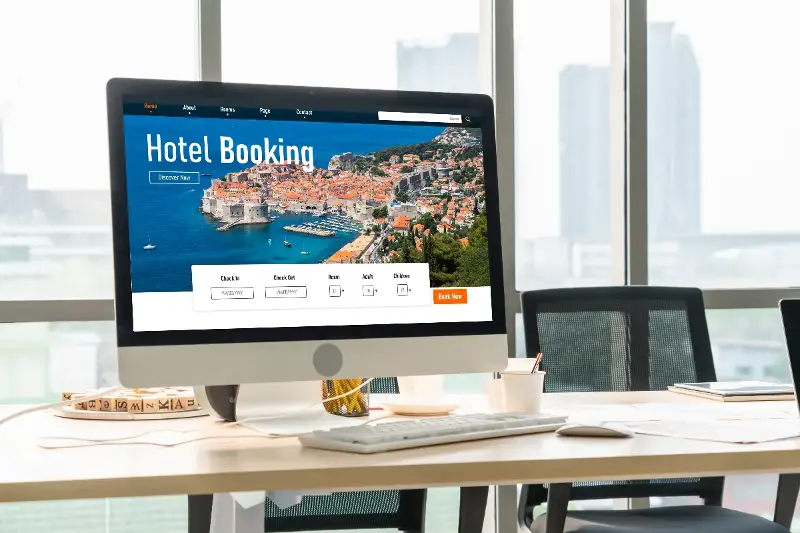
It’s no longer hotel managers with clipboards setting rates room by room. Now, game-changing revenue management systems analyse a storm of real-time data—think booking trends, local events, even weather—to set prices dynamically. Have you ever wondered why hotel prices climb sharply during a concert weekend or big sporting event? That’s data-driven dynamic pricing at work, sometimes changing rates multiple times a day.
For instance, if a hotel sees rooms rapidly booking up for a holiday weekend, their algorithms kick into overdrive, pushing rates higher for the remaining rooms. But if bookings slow, that same algorithm could drop rates instantly to attract hesitant travellers. It’s all about finding the sweet spot between profit and an empty room.
Supply, Demand, and the FOMO Factor
Hotels leverage something economists call “perishable inventory”—an unsold room tonight can never be sold tomorrow. This spurs savvy hoteliers to get creative. Their tactics include:
- Early-bird discounts for planners
- Last-minute “flash sales” for impulsive bookers
- Loyalty rates that reward repeat guests
- Private deals via email or app notifications
Intriguingly, this flexibility means prices can sometimes be lower closer to your stay—or much higher if demand unexpectedly surges. The fear of missing out (FOMO) is a powerful motivator, and hotels know it. If you see “only two rooms left!” blinking on your screen, that’s not just information—it’s an emotional nudge to book now, before someone else snaffles the deal.
Who You Are—and How You Book—Matters
Did you know the price you see might be tailored to you? Many major booking platforms and hotels use cookies and user data to personalise rates. Returning visitors, device type, and even your location can subtly influence what you pay. This practice, called “personalised pricing,” is controversial but increasingly common.
Consider these quick tips for getting the best deal:
- Browse incognito or clear your cookies to avoid price hikes based on repeat searches.
- Compare prices across multiple platforms—including the hotel’s own website.
- Sign up for loyalty programmes; hidden deals often live there.
- Be flexible with your dates—sometimes shifting by just a day unlocks a better rate.
Beyond the Sticker Price: The Cost of Convenience
The hotel industry isn’t just selling a room—it’s selling peace of mind, status, and convenience. Business travellers might pay more for last-minute flexibility, while holidaymakers want the best deal possible. Hotels layer on value with perks like free breakfast, late checkout, or spa credits, sometimes justifying a slightly higher sticker price.
So next time you see fluctuating rates, remember: you’re not just paying for a bed—you’re investing in an experience shaped by a finely tuned business ballet behind the scenes.
As digital tools become ever more sophisticated, and as consumer behaviour shifts from year to year, the dance of hotel pricing continues to evolve. What smart strategies will tomorrow’s travellers use to win the booking game—and just how far can technology take personalisation? Perhaps your own holiday choices will help shape the next chapter in this intriguing business saga.