


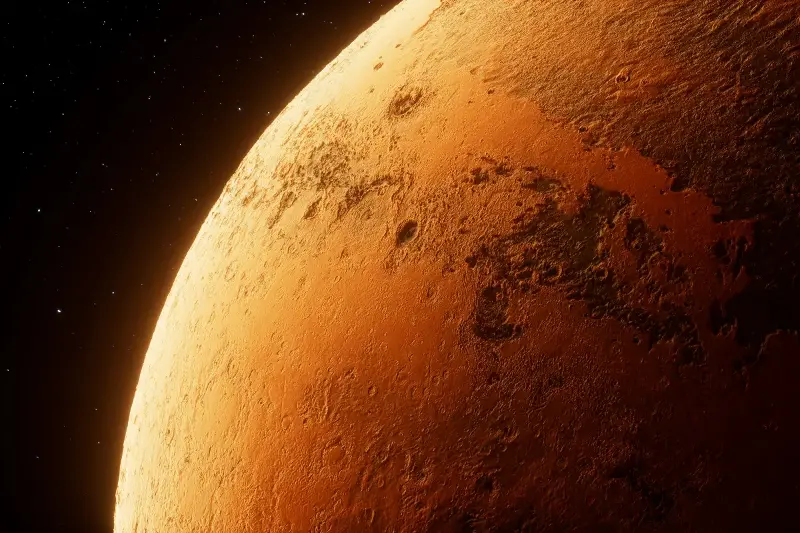
Ever since telescopes first brought Mars into sharp focus, humans have eyed its rusty, wind-swept plains with a mix of wonder and longing. Mars is the closest analog to Earth in our solar system—a place where the promise of a new “home” doesn’t seem quite as impossible as elsewhere in the cosmic neighborhood. But what does it actually take to make Mars habitable, and what risks and revelations might we encounter along the way? Buckle up: the science, setbacks, and spectacular hopes around this challenge are as vast as the Martian deserts themselves.
Terraforming 101: the cosmic scale of Mars makeover
To see Mars as a human haven means reimagining it from the ground up. Right now, Mars is a world of extremes: frigid temperatures plunge as low as -125°C, its atmosphere is a wisp of carbon dioxide, and water—if it’s there—mostly hides beneath polar ice or in trace amounts across the regolith. So, what does transformation on a planetary scale look like?
Here are the key cosmic “landscaping” projects scientists propose:
- Atmosphere amplification: Generating a dense, breathable atmosphere is step one. Ideas range from releasing greenhouse gases to installing giant orbital mirrors that direct more sunlight onto the Martian poles, vaporizing ice and letting water and CO₂ transform the air.
- Warming it up: The right temperature is vital for life. Imagine giant factories powered by nuclear energy belching out heat, or dark “dust clouds” spread across the ice caps to trap solar energy.
- Liquid water liberation: Water is life’s magic ingredient. With more heat, frozen reserves could melt, potentially filling ancient valleys and basins with rivers and lakes.
- Soil engineering: Martian soil is laced with toxic perchlorates. Creating farms means either detoxifying this dirt or building protected greenhouses and habitats.
Turning a hostile planet into a habitable sanctuary stretches the bounds of engineering, biology, and even international law: who owns Mars, and who decides its fate?
Martian roadblocks: setbacks on the path to a new world
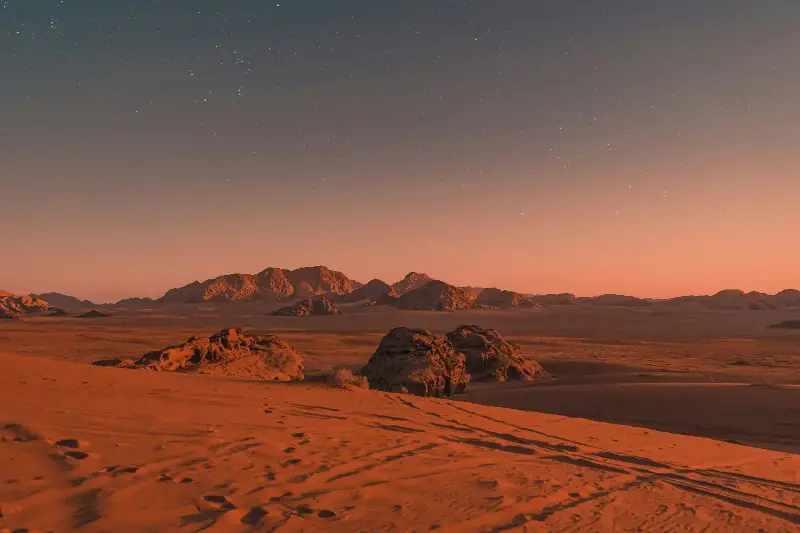
Dreamers beware—the science of turning Mars into a sister Earth brims with daunting challenges. Chief among them:
- Scale and timescale: Current engineering estimates flirt with fantasy. Creating even a thin atmosphere could take thousands, or even millions, of years.
- Resource limitation: Everything, from industrial infrastructure to basic materials, would need to be sourced or shipped across space—a costly proposition.
- Ethical enigmas: Mars may harbor simple native life in subsurface lakes or ice. Do we risk erasing unknown Martian biospheres to make room for ourselves?
- Radiation reality: Mars lacks a magnetic field, leaving its surface bombarded by cosmic rays. Protecting future Martians might require life underground—or shielding that doesn’t exist yet.
Possibilities that spark the imagination
Despite obstacles, the vision for a blue-and-green Mars continues to evolve. In fact, researchers are already experimenting with extremophiles—Earth organisms that could survive (and maybe thrive) in Martian conditions. Experiments like “BIOSIGN” in Antarctica, which simulate Martian environments, hint at both the challenges and creative solutions awaiting future pioneers.
Imagine stepping outside a dome to see a landscape reshaped by centuries of care, rivers winding between domed forests, and the echo of wind carrying the laughter of humanity’s descendants across a once-alien world.
A universe of questions remains
Will Mars ever feel like home? The science of terraforming raises as many questions as it answers, tying together the destinies of two worlds. The transformation of the Red Planet, if it ever comes, will be both a technical marvel and a test of humanity’s imagination, ethics, and resolve. Perhaps the greatest wonder isn’t what we might make of Mars—but what Mars might make of us in return.