


Wander into any historical account of medicine, and you’ll stumble across vivid tales of the alchemist’s garden: secret enclaves where fragrant herbs, mysterious roots, and delicate blossoms were believed to provide not just healing, but inspiration for body and soul. Today, with a renewed interest in plant-based wellness, the concept of the alchemist’s garden is experiencing a vibrant revival. From home gardens to community plots and even city rooftops, rediscovering these ancient practices can not only enrich our health but spark our creativity.
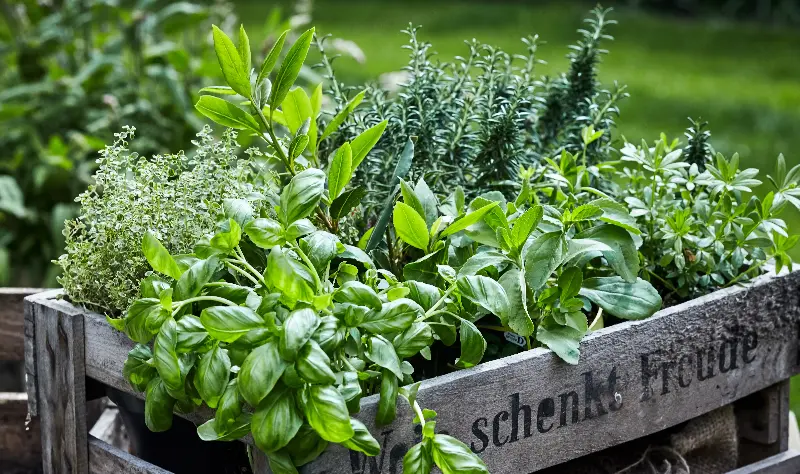
Roots Of Ancient Wisdom: The Healing Power Of Medicinal Herbs
Humans have been cultivating medicinal herbs for thousands of years, long before pills and syrups lined pharmacy shelves. Medieval alchemists and herbalists meticulously documented plants like valerian, angelica, and comfrey, experimenting with their properties and concocting potions for everything from headaches to broken bones. These pioneers believed that nature held the blueprints for every cure.
Science has begun to catch up with tradition. Studies have confirmed the anti-inflammatory powers of calendula, the calming abilities of chamomile, and the immune-boosting punch of echinacea. Many common herbs you’ll find in a well-stocked alchemist’s garden—rosemary, sage, peppermint—also double up in the kitchen, proving as restorative to the palate as to personal health.
Cultivating Magic: Growing Your Own Healing Garden
Getting started with your own medicinal herb garden is easier than you might think, and you certainly don’t need a sprawling medieval manor. Even a windowsill or balcony can become a pocket paradise. Not only does home growing save money, it offers an intimate, hands-on connection with nature’s pharmacy.
Some herbs are remarkably easy to cultivate and yield impressive benefits. For example, lemon balm thrives almost anywhere and has a gentle citrusy aroma that’s proven to reduce anxiety and promote sleep. Peppermint grows vigorously and can soothe digestive woes or invigorate tired minds. Lavender, with its iconic purple blooms, not only looks stunning and attracts pollinators, but also calms nerves and supports sound sleep when used in sachets or teas.
An interesting fact for budding gardeners: herbs such as yarrow and feverfew can actually improve the health of neighbouring plants, acting as natural pest repellents. Ancient gardeners likely noticed these relationships long before scientists discovered companion planting.

Herbal Inspiration: Plants That Spark Imagination And Wellness
Throughout history, the alchemist’s garden served as a wellspring for creative thought. Artists, poets, and thinkers would often seek solace in these lush, healing spaces. Today, spending time with plants is shown to decrease stress hormones and boost feelings of wellbeing. This isn’t just folklore; studies published in botanical medicine journals link hands-on gardening with improved mood, sharper cognitive function, and deeper sleep.
Some plants, like mugwort and gotu kola, have a reputation for sparking vivid dreams and increasing mental clarity. Rosemary, long symbolic of remembrance, is reputed to enhance memory—hence the phrase “rosemary for remembrance.” Ancient scholars often braided rosemary into headbands to stimulate the mind during long study sessions, a tradition that some modern students now revive with essential oil diffusers.
Beyond internal remedies, many herbs in the alchemist’s arsenal also beautify the skin and hair. Oatstraw and calendula can be infused into baths for soft, soothed skin, while nettle tea strengthens hair and provides a gentle boost of minerals.
Contemporary Rediscovery: The Modern Alchemist At Home
The surge in interest in herbal medicine isn’t just about personal health—it’s also about sustainability, food sovereignty, and reconnection. Growing your own medicinal plants cuts down your carbon footprint and reduces dependency on industrial pharmaceuticals, some of which now face shortages across the world.
There’s also a social element blossoming around herbal gardening. Community herb gardens are cropping up in cities, offering workshops on everything from tincture-making to herbal first aid. These revitalised spaces become hubs for sharing knowledge, swapping cuttings, and fostering a sense of agency over health.
Perhaps even more fascinating are the “plant stories” that are rediscovered along the way. Each herb tends to come with a fascinating history—a tale of how it crossed continents, became entwined with rituals, or even sparked revolutions. The marigold, for instance, was venerated by Aztec healers and is still used in Mexican Day of the Dead ceremonies both for its healing powers and its symbolism of renewal.
