


Why pandas and the world are falling in love all over again: The comeback of panda diplomacy and new cub triumphs
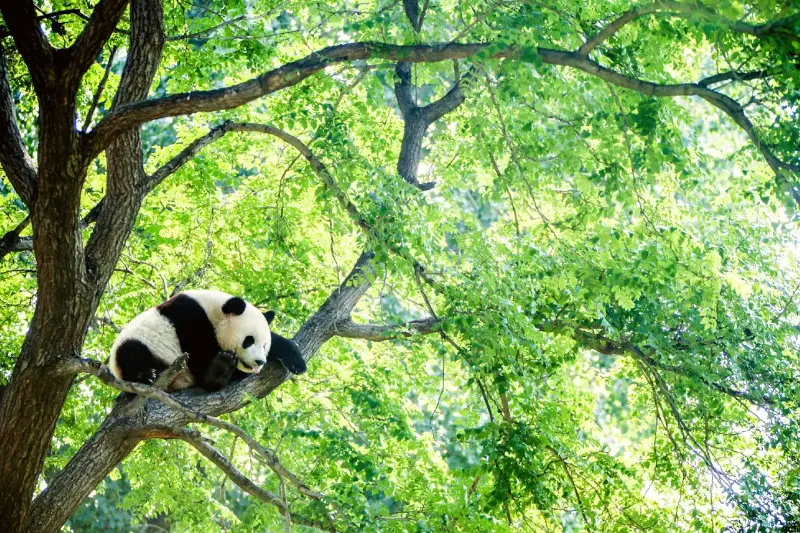
What if the future of an entire species–and the global movement to protect wild habitats–depended on the adorable antics of a single long-awaited cub? Recently, panda diplomacy has roared back onto the world stage, with heartwarming updates about new arrivals. These fuzzy ambassadors remind us that the stakes go far beyond cute livestreams. Behind each playful tumble is a web of international cooperation, hard science, and, surprisingly, big questions about where conservation is heading next.
Settle in. You’re about to go behind the black-and-white headlines into the rarely spoken realities of panda loans, eco-education, and the bamboo battlegrounds where hope for the species rests. We’ll sift myth from fact, reveal what your donation truly does, and show how, sometimes, a viral cub can inspire more than just “awws”—it can move an entire world to act.
Bamboo, babies, and Beijing: The art of panda diplomacy 2.0
Picture it: at dawn, a leafy quadrangle in Washington or Edinburgh, morning dew caught on the black velvet fur of a panda cub peeking from behind its drowsy mother. News flashes, crowds surge, cameras roll. When pandas return, they ignite global fascination - but their very presence is part of a careful diplomatic dance.
-
Panda diplomacy is older than many think. For over half a century, China’s government has sent pandas as goodwill ambassadors, forging and fortifying ties with countries worldwide. But today’s panda loans are more than handshakes. Each panda that arrives is part of a decades-long breeding loan, structured with contracts measured in millions and mandates tethered to conservation and research milestones.
-
The baby boom effect. Nothing captures hearts—and headlines—like a newborn cub, and 2024’s arrivals are no exception. Yet, for every living-room full of cheering fans, teams of scientists work quietly in the background, decoding fertility mysteries, sequencing panda DNA, and sharing these discoveries back to the motherland.
Breeding loans explained: What’s really at stake?
So, why all the fuss about panda breeding loans?
- Money and biology intertwine. Host zoos pay hefty annual fees, mostly funneled back to panda reserves in China. These funds fuel not just panda care, but regionwide research, anti-poaching patrols, and fieldwork that targets wild panda populations.
- Every cub counts. Cubs born overseas technically belong to China and are often returned home as “living assets.” For the species, each wriggly newborn becomes part of a globally-managed gene pool, preserving genetic diversity that could be pivotal for future generations.
- The clock is ticking. Most panda loans run for up to 10 years, sometimes extended if cubs are born. This means global zoos race against time, striving for breeding success before cherished black-and-white residents must pack up for their return flight.
The unseen cost of bamboo
If you think panda care only means daily cuddles, think again. Their appetite is legendary—and their menu, intensely specific.
- A single adult eats up to 40 kg of bamboo daily. That’s the equivalent of more than 350 burritos, but in grass.
- Bamboo sourcing shapes research and trade. Many zoos must import special bamboo varieties at enormous cost, or even cultivate plantations of their own. Keeping pandas happy and healthy isn’t just a spectacle—it’s a logistical ballet, teaching institutions vital lessons about plant diversity, supply chains, and climate adaptation.
Livestreams, donations, and the new ‘panda economy’
In the digital age, pandas aren’t just physical attractions; they’re livestream superstars.
Livestreams capture imaginations—and wallets. Millions tune in to watch playful cubs tumble and snooze, and this digital intimacy often sparks real-world generosity. Donations pour in from across continents, directly funding not only panda care, but:
- Veterinary breakthroughs
- Field equipment for wild researchers
- Innovative educational programs sparking the next generation of conservationists
But here’s the twist:
- Not all donations end up where you’d expect. Transparency varies wildly. Some funds directly protect wild habitats or pay for anti-poaching patrols; others support zoo facilities or communications. If you want your money to make real impact, read the fine print.
From zoos to wild forests: How panda fans help real habitats
The biggest question conservationists ask is simple—does panda celebrity status actually preserve wild spaces, or just keep zoos busy?
- Education with lasting roots: When zoos share the real-life struggles pandas face—fragmented habitats, low birthrates in the wild, vanishing bamboo—they foster empathy and urgency. Every child who falls in love with a cub is a potential advocate for reforestation, pollution control, or smart farming practices.
- Scientific collaborations: The most valuable breakthroughs don’t stay behind glass. Panda breeding programs drive reproductive science forward, from artificial insemination to neonatal care, and these medical marvels often translate to other endangered species.
- Wild panda habitat wins: Despite their stardom, less than 2,000 pandas remain free in the wild, facing shrinking forests and climate pressure. Revenue from loans, donations, and tourism has helped China create and expand vast bamboo reserves, directly benefiting dozens of other threatened species, from golden monkeys to rare plants.
Fresh hope—and honest challenges—lie ahead
It’s true: the spectacle of panda diplomacy, the spike in social likes, and the irresistible cub videos are just the surface. The deeper story is about the fragile but powerful bridge between fascination and action.
- Conservation is never simple or cheap. For panda futures, continued international collaboration, transparent funding, and real prioritization of wild habitat over spectacle will make the biggest difference.
- Your engagement matters. From watching a livestream to supporting habitat restoration, how you connect with these creatures shapes the arc of what’s possible - not just for pandas, but for all endangered wildlife.
Pandas aren’t just a cute diversion—they are nature’s living test of our global willpower. The next time you see a newborn cub wobbling across your screen, ask yourself: can heartwarming headlines become a rallying cry for genuinely bold, habitat-saving action?
After all, pandas remind us of what we can save when wonder, science, and people unite. The question now isn’t whether panda diplomacy works—but what wild magic we might achieve when we move past the spectacle, and into the heart of conservation itself.
How will you answer the call the next time a panda cub makes headlines? The adventure—and the responsibility—is yours, too.