


There’s something quietly defiant about the chrysanthemum. This flower, with its sculpted petals and myriad colours, flourishes as summer dies, blossoming in cooler autumn air when most plants retreat. Its very timing makes it a symbol of resilience—persistent, beautiful, and full of hope even as seasons change. The symbolism of chrysanthemums stretches far beyond the garden, connecting people and stories across continents and centuries.
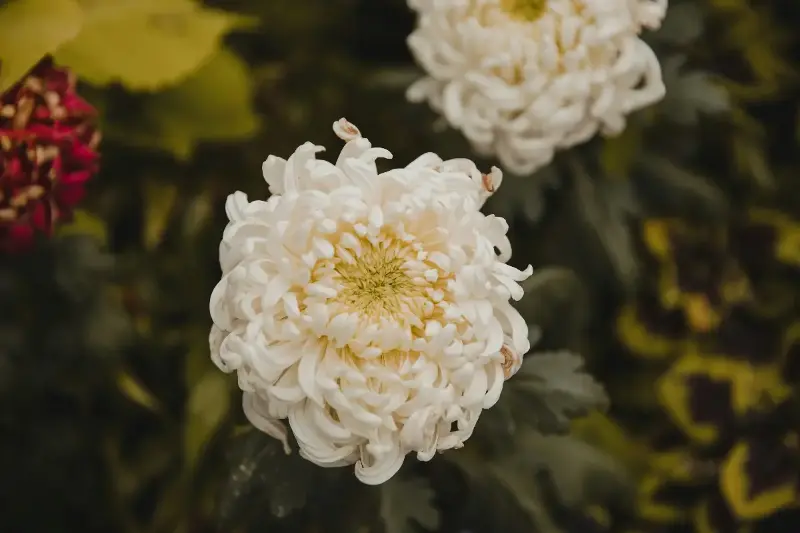
The Chrysanthemum in the East: Roots of Resilience and Reunion
If you’ve ever strolled through a Japanese garden in autumn, you may notice chrysanthemums elegantly displayed in festivals called "Kiku Matsuri." In Japan, this flower is far more than mere decoration—it’s an imperial symbol. The Chrysanthemum Throne itself represents the Japanese monarchy, and the flower’s longevity mirrors wishes for enduring strength and prosperity.
In China, the chrysanthemum’s reputation is equally rich. Regarded as one of the "Four Gentlemen" in traditional Chinese art, it is admired for blooming amidst the chill of late autumn. This enduring spirit made it a favourite subject of poets and scholars who saw in its golden blooms a metaphor for perseverance through hardship. To give chrysanthemums in China is to express good wishes and friendship, fostering reunion and harmony among friends and families.
Interestingly, the Chinese Double Ninth Festival, celebrated on the ninth day of the ninth lunar month, revolves around this resilient flower. Families climb mountains, drink chrysanthemum tea, and honour ancestors, reinforcing the flower's association with renewal and reunion.
Chrysanthemums in Europe: From Melancholy to Renewal
Across Europe, chrysanthemums took on different layers of meaning as they journeyed from the East. Known for their late blooming—and perhaps their resemblance to the sun—Victorian flower language embraced chrysanthemums to convey cheerfulness and loyal love.
However, the chrysanthemum gained a more solemn reputation in certain European countries. In France, Belgium, and Italy, chrysanthemums are traditionally placed on graves during All Saints’ Day to honour the dead. Here, they came to symbolise mourning, remembrance, and the enduring link between generations. Yet, even wrapped in sorrow, they also whisper of hope: new blooms returning each year, reminding the living that life and memory endure.
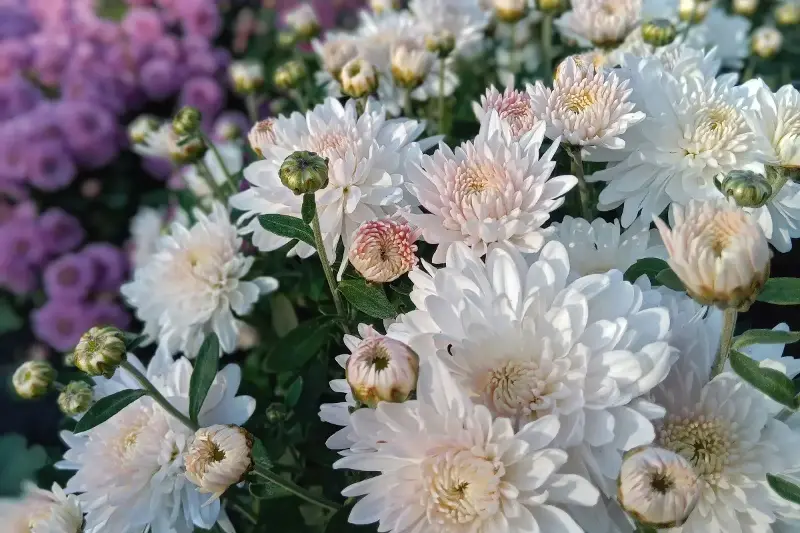
Modern Meanings: Renewal in Today’s World
So, why does the chrysanthemum’s spirit matter now? In modern Japan, China, and across Europe, the flower’s significance is evolving. Floral designers use them in bouquets for housewarmings and new beginnings, and wellness enthusiasts brew chrysanthemum tea for its calming properties. Social media abounds with images of their intricate patterns, sparking fascination across generations.
A few contemporary chrysanthemum facts:
- In Japan, the symbol is used on passports, coins, and national seals.
- In China, it ranks as one of the country’s "Four Noble Plants," with a dedicated place in literature, tea, and cuisine.
- In Europe, newer interpretations favour the chrysanthemum as a symbol of personal growth, transformation, and resilience in the face of change—a message that speaks poignantly today.
Bringing the Chrysanthemum’s Story Home
Next time you spot a chrysanthemum standing tall as summer wanes, consider the centuries of symbolism it carries—from Japan’s imperial power, through China’s poetic celebrations, to moments of renewal and remembrance in European cemeteries. Each bloom seems to say: "persist, reunite, and renew."
What other quiet symbols might you discover around you, offering their wisdom across borders and generations? In a changing world, perhaps it’s the humble chrysanthemum that gently reminds us to bloom with purpose, no matter the season.