


Few pursuits blend art and science in such a compelling way as the craft of the barista. Behind every immaculate flat white or robust espresso lies a world of passion, dedication, and an unwavering commitment to precision. From the hum of grinders to the hiss of milk steamers, the journey to deliver the ultimate coffee experience is one of meticulous learning, creativity, and even a touch of theatre. Let us step behind the counter and discover what fuels those distinctive personalities who have made coffee culture a global phenomenon.
The Artistry Behind Every Cup
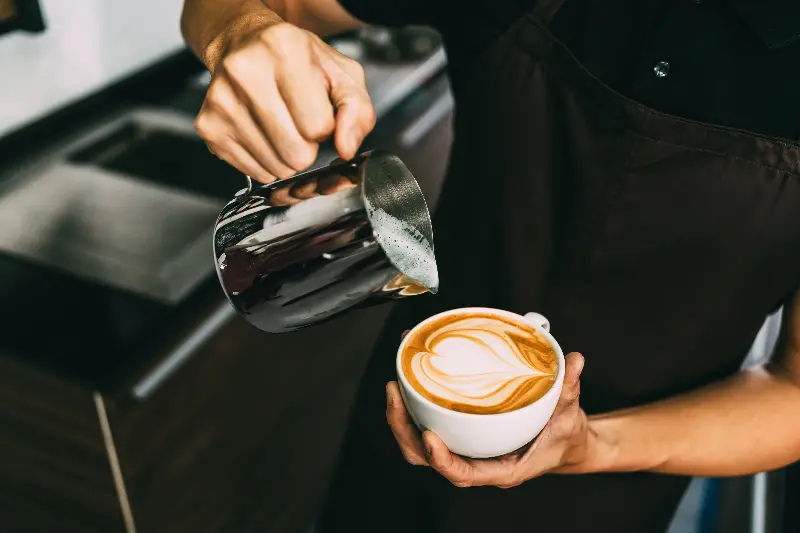
The allure of a perfect coffee extends far beyond its inviting aroma and velvety taste. At the heart of every exceptional brew is a barista who treats coffee-making as a form of art. This artistry begins even before a single bean is ground: skilled baristas carefully evaluate the properties of their coffee, taking note of origin, roast, and blend.
For many, coffee creation is not simply a task; it is a performance, a sequence of considered movements and intuitive adjustments. The ritual of tamping the grounds just so, timing the extraction to the second, and executing precisely controlled pours demands both technical expertise and an expressive flair. In fact, baristas often develop their own signature moves, transforming each cup into a personal masterpiece.
Latte art, with its delicate ferns, rosettas and hearts, is a testament to the combination of creativity and technical prowess required in this sphere. Not only does it delight the customer, it’s also a mark of the barista’s consistency and control.
Mastering The Science Of Extraction
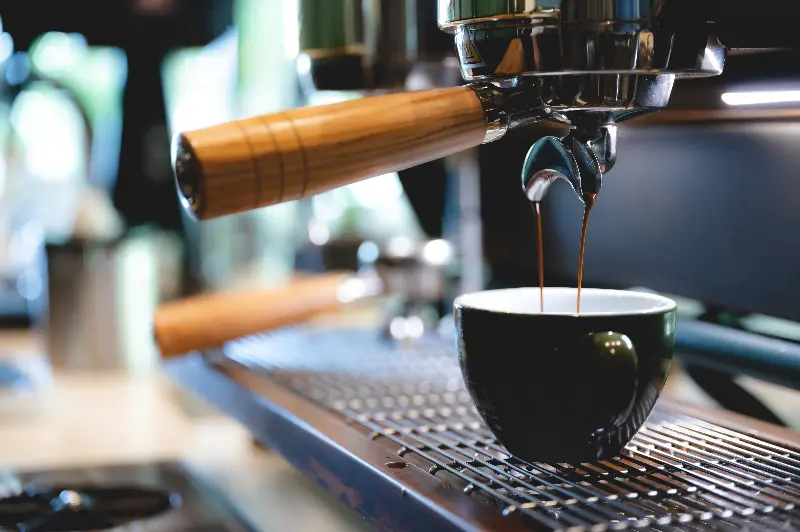
While the artistry draws the eye, the underlying science is where the magic truly resides. Extraction – the process of dissolving desirable flavours from coffee grounds into water – is a delicate balancing act. Too brief, and the coffee tastes sour or underdeveloped; too long, and bitterness overwhelms.
Expert baristas are intimately familiar with the ‘variables’ of brewing: grind size, water temperature, brewing time and pressure. Small alterations in any of these can drastically alter taste. This scientific precision is why specialty coffees now come with details akin to those seen in fine wine: altitude, varietal, processing method, and roast date.
The rise of ‘third wave’ coffee culture has propelled baristas to new heights of technical know-how. Masters of their craft spend years developing their palate, training taste buds to discern subtle tasting notes—think blueberry, cocoa, hibiscus or honeycomb—that most might miss. Some even participate in ‘cuppings’, systematic coffee tastings designed to heighten sensory awareness.
From Local Café To International Competition
The precision and dedication of professional baristas has given rise to an entire circuit of competitions, where coffee professionals can put their skills to the test on the world stage. The World Barista Championship, for instance, sees contestants prepare espresso-based drinks under timed conditions, judged on taste, technique, and presentation.
These competitions are not merely about making coffee quickly. Baristas must explain their coffee choice, brewing methods, and even the sustainability of their beans. The events are intense, with nerves, skill, and passion on full display as competitors strive to blend taste, science, and showmanship in real time.
Such contests have inspired generations of café staff around the world to see barista work not as a stepping stone, but as a craft to be mastered and celebrated. The barista’s skill can transform a daily ritual into an unforgettable experience.
Cultural Impact And The Social Ritual
In cities across the globe, cafés occupy a special place in daily life, serving as meeting points for friends, havens for freelancers, and refuges for thinkers and dreamers. The central role of the barista in these spaces extends beyond coffee-making; they are community builders, conversation starters and sometimes even confidants.
The influence of barista culture has profoundly shaped the way societies engage with coffee. In Melbourne, Vienna, and London, the local café scene has become synonymous with quality, creativity, and community. Choices of brew method, from Aeropress to Chemex, are now mainstream topics of conversation, while the vocabulary of single-origin, micro-lot, and pour-over travels from the counter into everyday speech.
This growing appreciation for craft coffee has challenged the industrialised approach to the beverage, encouraging a more sustainable, ethical approach to sourcing and serving. Many baristas form relationships with local roasters or even visit coffee farms, making the journey from bean to cup more transparent and fair.
