


Imagine this: you wake up, issue a quick “Good morning!” to your virtual assistant, and in moments, the curtains open, the coffee brews, and your daily news appears on a shimmering, voice-responsive screen. All before you’ve even set foot out of bed. Our homes are becoming smarter than ever, whispering reminders, adjusting temperatures, and even suggesting what you should cook for dinner. If this sounds eerily familiar, it’s because the animated film 'Wall-E’ dared to show us a possible future—one where humans become so dependent on technology that they hardly move, letting machines do nearly everything for them.
The Rise of Smart Homes: Convenience or Complacency?
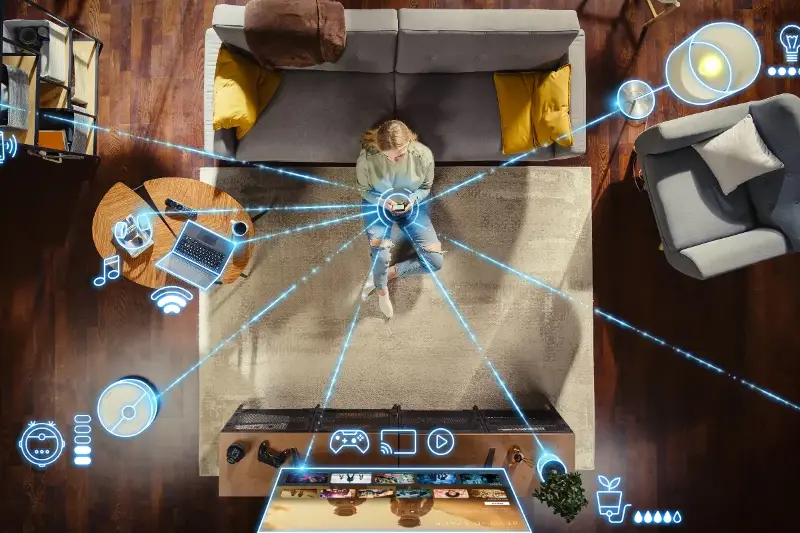
Smart home devices have become the staple of modern living rooms and kitchens. In the UK alone, over 27% of homes now boast at least one AI-powered device. Our fridges track grocery needs. Thermostats learn our favourite settings. Vacuum robots zip about silently, cleaning up after us without complaint.
But here’s a question worth pondering: Are these innovations making life brilliantly easier, or are they nudging us gently down a path of “functional laziness”? With fewer chores to do, there’s more time for hobbies and relaxation—but are we sacrificing a vital sense of productivity and manual engagement? Consider these:
- Alexa, play music replaces digging through records or CDs.
- Automated ovens can suggest recipes and preheat automatically.
- Lawn robotics keep the garden tidy without a drop of sweat.
It feels magical, but are these marvels slowly pulling us away from the satisfaction of hands-on tasks?
Artificial Intelligence: The New Butler at Home
AI doesn’t just execute commands; it learns. Virtual assistants notice your routines, gently nudge you about meetings, and even remind the kids to finish their homework. Everything from mood lighting to grocery lists is within their domain. A 2023 survey by Statista revealed that one in four Britons “couldn't imagine going back to pre-smart home days.”
It all sounds wondrous, but there’s a shadow lurking. Listless hours stretch longer. Movement fades from daily routines. The need to learn basic recipes, manage one’s schedule, or even control household devices can recede. Some experts warn that “hyper-convenience” could fuel sedentary habits.
Here’s the paradox:
- AI offers unprecedented efficiency and personalisation.
- Increasingly, it’s removing almost every small friction from home life.
- That relentless streamlining could be eroding little moments of movement and creativity.
“When everything’s done for you, what do you then do for yourself?” asks Dr. Sarah Lang, a digital wellbeing specialist.
The Physical Cost: Are We Sacrificing Our Health?
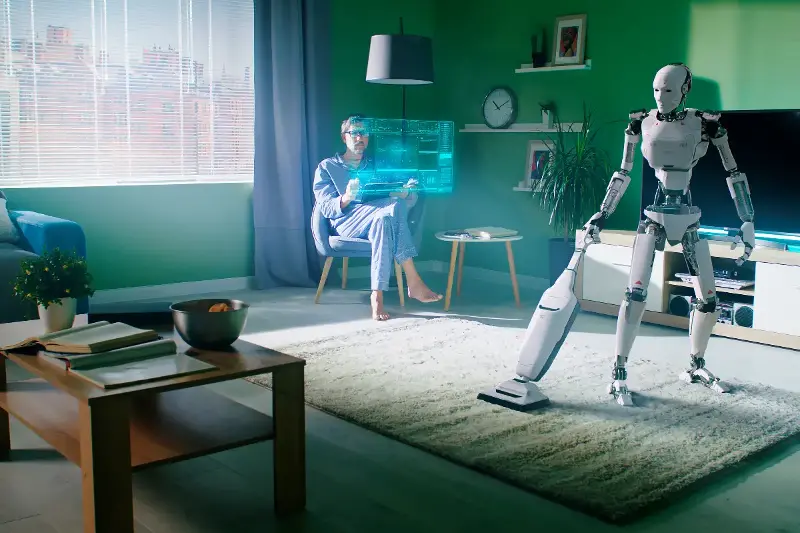
Physical inactivity is already recognised as a significant public health risk. The World Health Organisation now lists sedentary lifestyles among the top health hazards worldwide. As home technology replaces manual chores:
- Average daily physical activity in households falls.
- Meal delivery apps replace shopping and cooking.
- Quick-fix entertainment overshadows outdoor play or reading.
The more autonomy we cede to our digital helpers, the louder the warning bell rings for our bodies and minds. It’s not just about muscle tone or cardiovascular health—being mentally engaged with our tasks sharpens cognitive abilities and brings unexpected sparks of joy.
Balancing Ease and Engagement: Is a Middle Ground Possible?
All innovation asks us to adapt, but it also invites us to question: Will we prioritise ease, or will we preserve the skills and habits that keep us lively and sharp? Perhaps the key lies in coexisting with AI, using it as an empowering tool rather than an enabler of endless passivity. Some families are turning off voice assistants during weekends, challenging themselves to “unplug” regularly. Others treat household chores as mini family rituals rather than annoyances to automate away.
The future isn’t set; it’s crafted by the choices we make in the present. So next time your AI-powered coffee maker asks how strong you’d like your morning brew, maybe it’s worth walking to the kitchen, smelling the fresh grounds, and brewing it yourself—just for the simple pleasure of being human.
Are we truly drifting towards a ‘Wall-E’ lifestyle, or can we chart a smarter, more active path with our extraordinary new tools? The answer, as always, sits in the choices each of us makes—day by day, task by task.