


The planet is warming, cities are choking on smog, and the automotive world is in a full-throttle sprint for sustainability. As consumers across the globe buckle down on their eco-conscience, the debate of electric versus hybrid cars has revved-up centre stage. But which technology truly leads in the green stakes—and what should you consider before taking the leap?
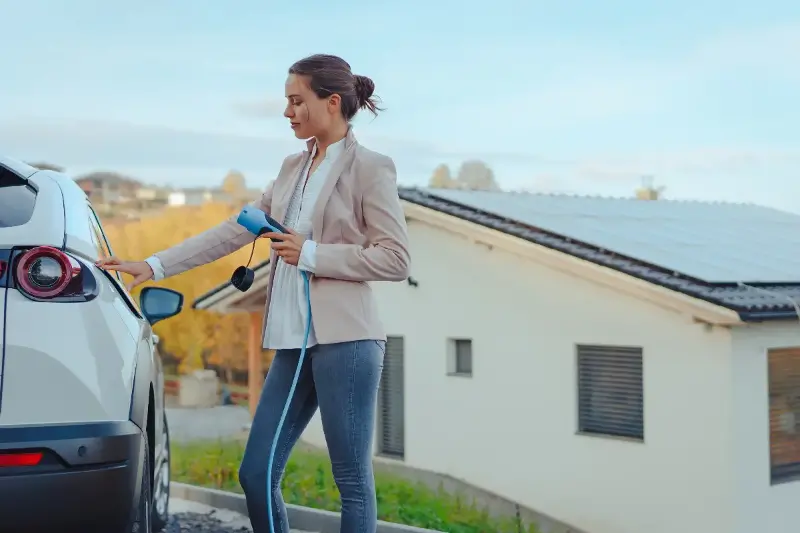
Electric Cars: The Silent Revolution on Wheels
Picture gliding through city streets with near-silent grace and zero emissions from the tailpipe. That’s the appeal of all-electric vehicles (EVs). They run exclusively on battery power, offering a driving experience that’s both futuristic and remarkably clean.
Key insights on electric cars:
- No tailpipe emissions, reducing local air pollution dramatically
- Lower running costs—charging at home usually beats petrol at the pump
- Fewer moving parts mean less maintenance and fewer breakdowns
- Instant torque delivers that thrilling push when you hit the accelerator
But let’s not gloss over the practical side. EVs can be limited by “range anxiety,” especially if you’re drawn to long road trips. And while charging infrastructure is expanding, it’s not quite as ubiquitous as petrol stations—yet.
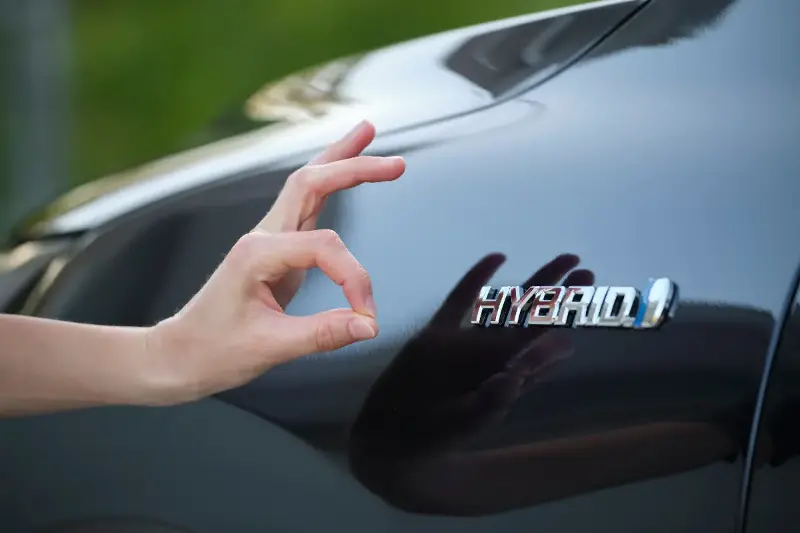
Hybrid Cars: Bridging the Old and the New
If the idea of transitioning to full electric feels a step too far, hybrids offer a compelling middle ground. Combining a traditional engine with an electric motor, hybrids can switch seamlessly between power sources or use both for greater efficiency.
Hybrids’ green credentials include:
- Substantially reduced emissions compared to conventional cars
- Impressive fuel efficiency, especially in stop-start urban traffic
- No need to plug in—petrol refuels both the tank and the battery
- A familiar driving experience that can ease the switch from petrol
However, hybrids still rely partly on fossil fuels. Their environmental impact, while better than petrol-only vehicles, remains significant compared to pure electric alternatives.
Beyond the Tailpipe: The Full Environmental Picture
It’s tempting to measure a car’s eco-friendliness at the tailpipe, but the story stretches beyond that. The greener car depends on where and how your electricity is generated. If your EV is charged from a coal-dominated grid, carbon savings dwindle. Battery production, too, is energy-intensive and comes with mining challenges.
Hybrids sidestep some battery concerns by requiring smaller batteries, but their ongoing use of petrol carries its own long-term carbon toll. In the UK, as renewable energy generation soars, the advantage increasingly tips towards full electric.
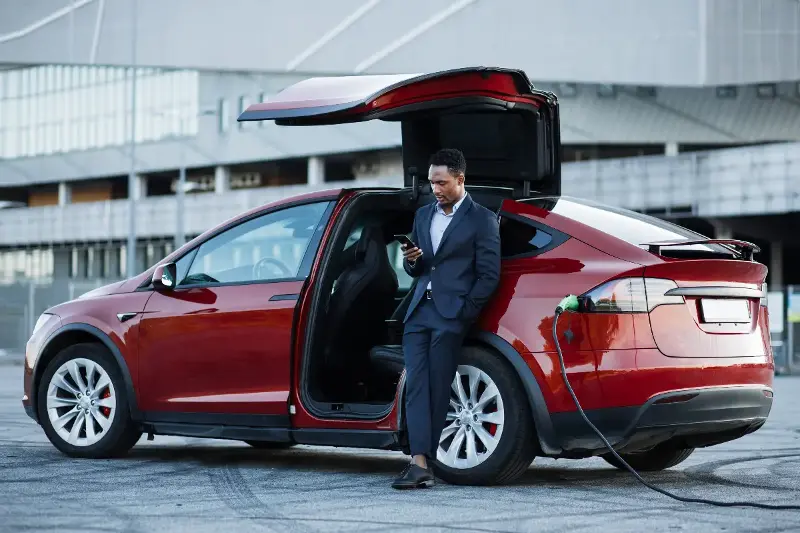
Breaking Down the Costs and Incentives
Going green is often seen as costly, but that gap is narrowing fast. Governments worldwide entice buyers with grants, tax savings, and exemptions from congestion charges. The upfront price of EVs may still sit higher, but:
- Lower fuel and maintenance costs quickly add up over years of ownership
- Resale values are strengthening as more drivers demand greener rides
Hybrid vehicles can be easier on the wallet at first, but don’t always offer the same long-term savings or incentives as their electric counterparts.
So, Who Truly Wins the Green Stakes?
If the ultimate prize is lowest emissions and future-ready driving, electric vehicles have a clear lead—especially as clean power grows. But hybrids play a critical role for those needing flexibility, reassurance, and a gentle step into greener living.
Perhaps the real winner isn’t a single technology, but our shifting mindset: every kilometre travelled in a cleaner car is progress towards a healthier planet. The road ahead brims with innovation—which direction will you explore, and how green will your journey become?