


Why More Shark Encounters Might Signal a Healthier Ocean (And How You Can Stay Safe Without Fear)

Imagine the ripple of cool ocean water gliding past your skin, sunlight filtering through blue-green waves. Suddenly, you hear a buzz onshore: someone has spotted a fin. Fear rushes in - but what if this surge in shark encounters tells a different, even hopeful, story about our oceans and how we relate to them?
This article dives beneath the surface of rising shark sightings. You’ll discover what’s really driving these close calls, what it means for ocean health, and how you, as a swimmer, diver, or community member, can lower your risk while respecting these ancient creatures. Ready to navigate the myths and find a balanced approach to ocean adventure?
The surge in shark encounters: Not what you think
It’s easy to feel on alert when headlines shriek about shark attack spikes or tourist beaches closed after a sighting. But before you skip your next swim, consider this: rising shark encounters often reflect a recovering ocean environment, not an impending threat to humans.
Why are more people running into sharks? Several factors are blending to create these moments:
- Marine protection works. Many countries are investing in marine reserves and stricter fishing regulations. As a result, fish stocks rebound, which invites top predators like sharks closer to shore.
- Warmer water, shifting habits. Climate change warms coastal waters, nudging sharks into new regions and sometimes drawing them nearer to beachgoers’ favorite spots.
- People power. More people are venturing into the surf than ever before. Drones, GoPros, and social media mean every fin in the water gets noticed and reported.
Nature’s comeback: When sharks return, the ocean is healing
Imagine a reef with shimmering silver fish, gliding rays, and, yes, the occasional shark cruising through. Sharks are vital indicators of ecological health. Their presence signals a vibrant food web and balanced ecosystem.
- Sharks keep populations in check. By preying on the sick or weak, they prevent boom-and-bust cycles in fish populations.
- Their absence is a warning. Decimated shark populations throw the entire marine balance off - leading to unhealthy reefs and fragile environments.
So, as much as a shark sight can send chills up your spine, it’s also a sign that conservation efforts are working. Their comeback is our best evidence that the ocean is alive and recovering.
Reality check: The odds are on your side
Let’s bring a little perspective. You are far more likely to be struck by lightning, stung by a bee, or injured while playing golf than to have a negative encounter with a shark. In fact, most sharks have no interest in humans whatsoever; we simply aren’t on their menu.
Here’s what the data really shows:
- Globally, there are about 70-80 unprovoked shark attacks annually, with just a handful resulting in fatality.
- Surfers and spear fishers, who spend longer in deeper waters, represent more than half of all incidents. Casual swimmers and snorkelers face an extraordinarily low risk.
The real risks come from misunderstanding and fear - not the animals themselves.
Why fear fuels the wrong response
It’s natural for the mind to spiral after a dramatic report. Movies and viral stories have conditioned us to associate sharks with danger and aggression. But this fear often leads to practices like culling, shark nets, or indiscriminate hunting - solutions that threaten marine ecosystems while doing little to protect people.
Remember: every time we vilify sharks, we undermine ocean health and our own future enjoyment of the sea.
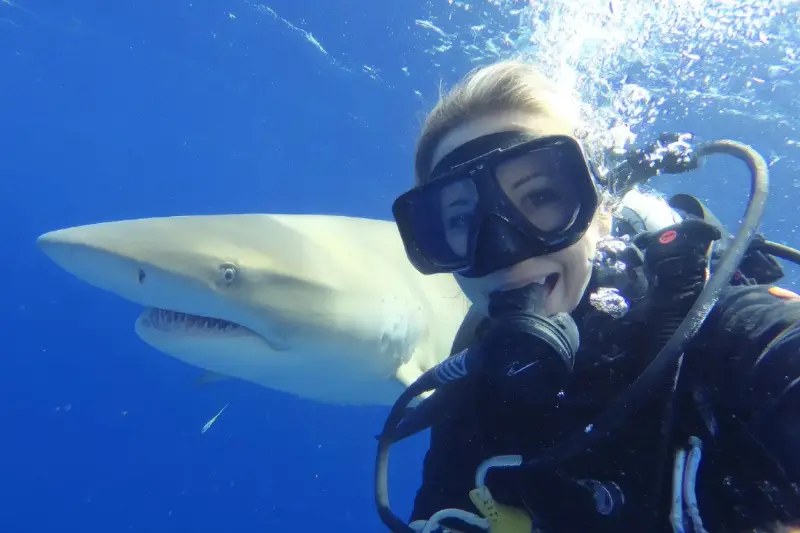
Smart safety: How you can reduce risk without ruining the magic
You deserve to feel confident and safe by the shore. The good news is that you can take simple, science-backed steps that reduce risk without robbing you of the wild wonder of the ocean.
- Swim smart
- Stick to patrolled beaches and daylight hours.
- Avoid swimming alone or near schools of fish, seals, or seabirds.
- Steer clear after heavy rain or at dawn and dusk, when some sharks feed.
- Stay informed
- Check local wildlife updates or signage before heading out.
- Chat with lifeguards or dive guides about recent sightings or conditions.
- Ditch the shiny stuff
- Leave jewelry and bright swimwear at home - flashes in the water can catch a curious shark’s eye.
- Don’t wear wounds into the water
- Even a minor bleed can attract attention, so cover cuts and skip swimming if you’re injured.
- Let tech support you
- Some regions use shark-spotting drone patrols or non-lethal deterrent technology, like alert buoys or shark-repellent wetsuits.
If you do spot a shark: stay calm, swim steadily toward the shore without splashing, and alert others. Sharks are more likely to move on than to approach when you don’t panic.
What coastal communities can do for coexistence
The future of ocean adventures isn’t about barriers or brute force - it’s about harmonizing our presence with marine life.
Communities are embracing creative approaches, including:
- Education initiatives: Teaching locals and tourists about shark behavior and ocean safety.
- Innovative monitoring: Using drones, lookout towers, and smart apps to track movement and relay real-time alerts.
- Marine stewardship: Involving residents in reef restoration, fish population studies, and responsible beach management.
When communities focus on knowledge, not fear, everyone benefits - including the sharks.
Oceans of the future: Finding awe, not anxiety
Next time you slip into the surf or watch waves shimmering under a sunrise, remember that a glimpse of a fin means life is returning to the deep. Sharks, with all their mystery and might, are co-authors in the story of ocean recovery.
Stay curious, stay smart, and savor the magic of the wild. By seeing sharks not as monsters but as signals of hope, you help preserve the beauty and balance of oceans for generations to come.
So, how might your relationship to the sea shift if, instead of fear, you swam with respect and understanding? The answer - and the adventure - lies just beneath the surface.