


As your baby grows, the journey from liquid to solid foods can be both an exciting and daunting milestone. There’s a plethora of advice out there on how to introduce solids, but it’s essential to sift through the noise and focus on the key dos and don'ts. Starting solids is not just about sustenance; it’s a developmental step that sets the stage for healthy eating habits. Here, we explore the essentials every parent should be aware of when entering this new phase.
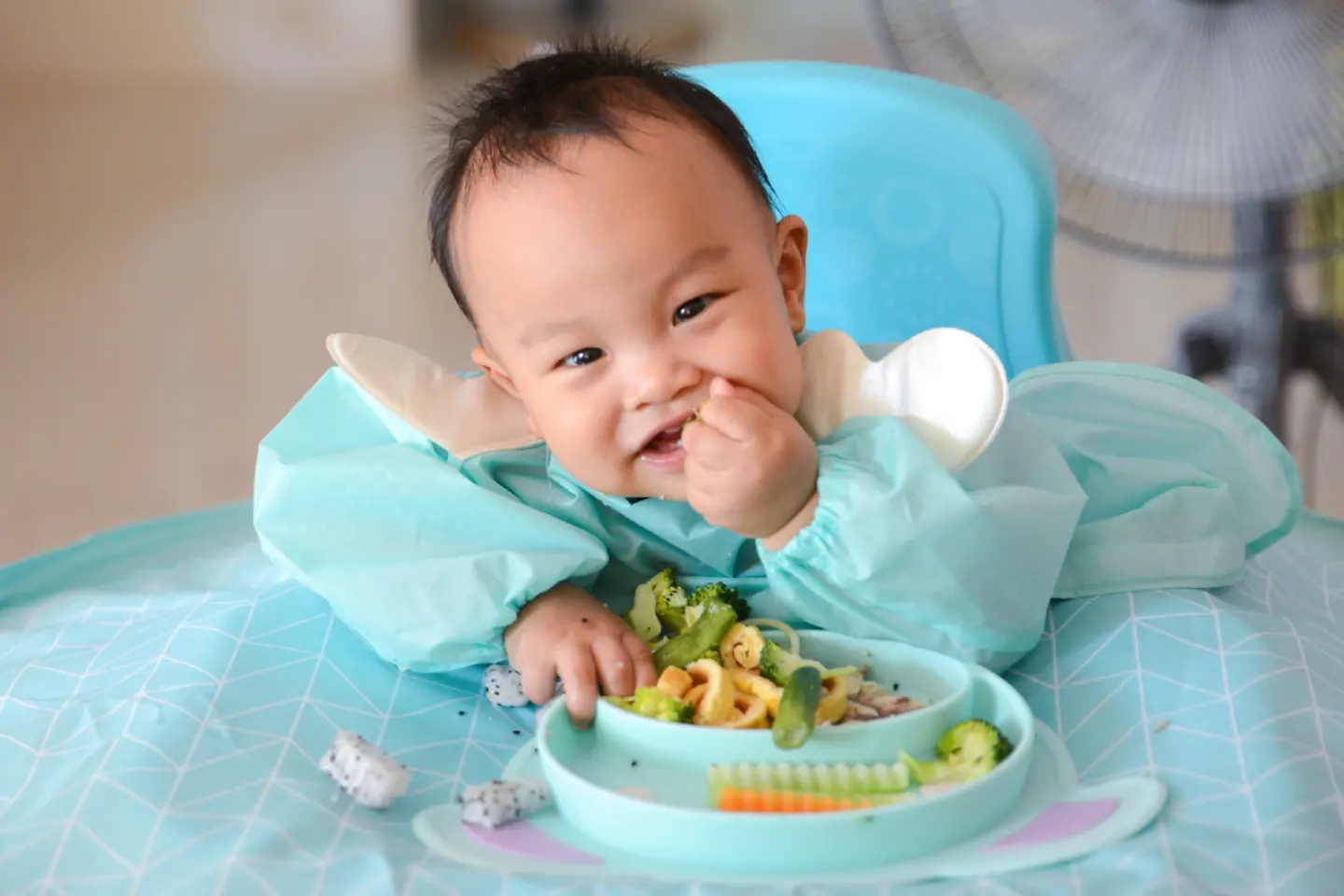
The World Health Organization recommends starting solid foods at around 6 months of age, a time when babies typically need more nutrients than breast milk or formula alone can provide. This is also when most infants are developmentally ready to eat solid foods, showing signs such as being able to sit up with support and losing the tongue-thrust reflex that pushes food out of the mouth.
Now, let's delve into the dos:
Do start with iron-fortified cereals or pureed meats. Iron is vital in your baby's diet, and beginning with foods rich in this nutrient can help support their rapid growth and development. Combine these iron-rich foods with vitamin C-rich fruits and vegetables to enhance iron absorption.
Do introduce a variety of flavours and textures. By offering a wide range of foods, you encourage your baby to become accustomed to different tastes, decreasing the likelihood of pickiness later on. Begin with smooth purees before transitioning to mashed and then finely chopped foods as they become more adept at eating.
Do follow your baby's lead. Pay attention to their cues of hunger and fullness. If they turn their head away or refuse to open their mouth, they've probably had enough. Forcing a baby to eat can lead to negative mealtime experiences and may disrupt their ability to self-regulate their appetite.
Do maintain a routine. Consistency helps to set expectations for your baby. Aim to offer solids after a breastmilk or formula feed, not before when they’re most hungry, and ideally when they are alert and not too tired.
Do ensure a safe eating environment. Always have your baby sitting upright to eat, and never leave them unattended. Start with small spoonfuls, and as they become more proficient, you can let them explore foods with their hands under supervision.
On the flip side, there are important don'ts to remember:
Don't introduce cow's milk until after 12 months. Cow's milk doesn't provide the appropriate balance of nutrients your baby needs and can lead to intestinal irritation or potential allergies if introduced too early.
Don't sweeten your baby's food. Babies have no need for added sugars, and introducing them to sweet flavours too early can lead to a preference for sugary foods. Stick to natural sweetness found in fruits when needed.
Don't be discouraged by rejection. Babies sometimes need to be offered a new food multiple times before they accept it. If they refuse a particular food, wait a few days and try again.
Don't overload your baby's plate. It may be tempting to offer a wide selection, but starting with just one or two food choices at a time can prevent overwhelming your little one and allows you to monitor for any adverse reactions or allergies.
Don't ignore potential allergens. Introduce common allergenic foods like eggs, tree nuts, and seafood early and in small amounts. This can actually reduce the risk of developing food allergies. Keep a close eye on your baby for any signs of a reaction, which can include hives, vomiting, or difficulty breathing.
What about spicing up your baby's food? While strong spices might be too much for a little one’s palate, introducing mild herbs can help develop their taste buds. Start with dashes of cinnamon or nutmeg in purees, or minuscule amounts of herbs like mint or basil.
Mealtime can also double as learning time. Eating solids teaches your baby about textures, colours, and the process of chewing and swallowing. These experiences are crucial for their development, so while cleanliness might be a priority, don't fret about a bit of mess. It's part of how babies learn.
Finally, it’s important to embrace the journey of introducing solids to your baby as a time of discovery and bonding. Share in their delights and grimaces at new tastes. These early moments of trying new foods can build foundations for a lifetime of healthy eating habits.
Remember, it's not just about nutrition; it's also about nurturing. Your baby is learning not just how to eat, but how to share in the social and enjoyable aspects of dining. By approaching this stage with patience and a sense of exploration, you're setting the table for many years of happy, healthy mealtimes ahead.