


The allure of a perfect night’s sleep is universal. In today’s fast-paced, always-on world, sleep trackers promise to unravel the mysteries of your nightly rest. These nifty gadgets, whether built into your wristwatch, smartphone, or even hidden in your mattress, are everywhere. But are they really revolutionising our sleep habits—or simply feeding our appetite for the next big tech trend?
Understanding Sleep Trackers: What Do They Actually Do?
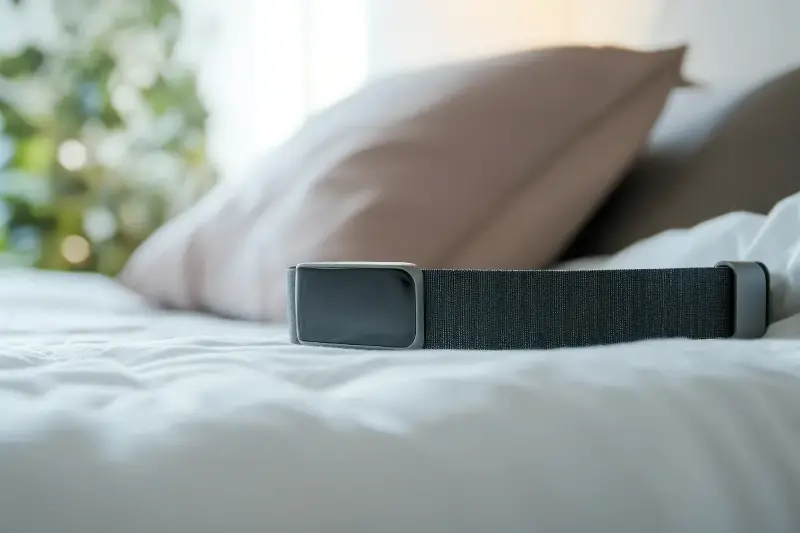
Sleep trackers monitor your movement, heart rate, and sometimes even blood oxygen levels, to estimate how much restful—or restless—sleep you really get. By sifting through this data, they generate neat graphs and colourful charts, mapping out your nights in painstaking digital detail.
Some devices claim to distinguish between light, deep, and REM sleep. Others go further, offering “sleep scores,” gentle alarms, and personalised advice. The idea is simple: by highlighting patterns and interruptions, trackers believe they can push you toward better sleep hygiene.
Yet, does knowing you tossed and turned at 3:17 a.m. really help you drift off more easily the next night? The promise is tempting, but the reality is less clear-cut.
Technological Transparency: How Accurate Are These Devices?
It’s important to demystify what’s really happening under the hood. Most consumer sleep trackers use accelerometers—tiny sensors that detect movement. They can tell if you’re fidgety or still, but distinguishing between different sleep stages is trickier.
Here’s what research reveals:
- Wrist-worn trackers—like Fitbit or Apple Watch—can accurately track total sleep time, but their ability to differentiate sleep stages is limited.
- Mattress-based sensors may provide more detailed data, but are still no match for the sophisticated tests done in sleep clinics.
- Expert studies show that no consumer tracker can truly diagnose sleep disorders like sleep apnoea—at least, not yet.
So while your tracker may show that your sleep was more “restful” last night, take these insights with a healthy dose of scepticism.

The Psychology of Self-Tracking: Help or Hindrance?
Here’s where things get personal. For many, quantifying sleep feels empowering. Waking to see a high “sleep efficiency” score can provide a little morning motivation. Trackers can nudge users to adopt good habits—such as sticking to bedtimes or limiting late-night screen time.
But there’s a flipside. The phenomenon known as orthosomnia—becoming obsessed with perfect sleep, thanks to tracker data—has cropped up among tech-savvy users.
Sometimes, simply knowing (or worrying about) your sleep numbers can ironically keep you lying awake, searching for that elusive 100% score.
From Hype to Home: Making Sense of the Sleep Tech Revolution
It’s clear that sleep trackers have infiltrated the modern home. They fit seamlessly into our digital routines, linking with smart lights, alarm clocks, and even coffee makers. But not all sleep-improvement claims stand up to scrutiny.
Consider these practical tips if you’re thinking of embracing sleep tech:
- Use data wisely. Look for trends over time, not night-by-night perfection.
- Don’t obsess. Remember: a bad score isn’t a personal failing.
- Pair tech with common sense. Prioritise proven sleep hygiene—cool, dark bedrooms, consistent schedules, and less caffeine.
Let your tracker be a supportive coach, not a harsh critic.

Ultimately, technology is no substitute for self-care and mindful habits. After all, the best recipe for restful nights might not be hidden in an app—but rather in a simple, age-old ritual: winding down, letting go, and giving yourself permission to rest.
Are sleep trackers the magic bullets we crave, or just another layer of digital noise in our already crowded lives? As research evolves and technology improves, the answer may not be so clear-cut—leaving each of us to weigh the comfort of data against the wisdom of our own bodies. Perhaps, in this new era of sleep awareness, the biggest mystery is how well we can truly tune in—to ourselves.