


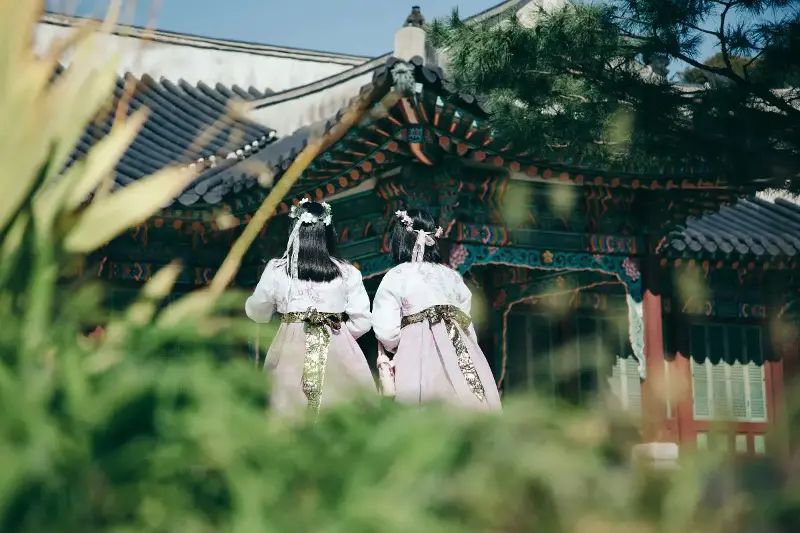
Springtime in Asia is much more than a shift in weather—it’s a visual celebration bursting with tradition, hopes, and timeless style. Nowhere is this more apparent than in the dazzling outfits people don to mark their New Year festivals. Across the continent, from shimmering silks to radiant golds and passionate reds, attire becomes an artistic tribute to heritage and renewal. Prepare to be swept away by the stories woven into every thread and fold.
The secret language of silk
Step into the heart of spring celebrations, and you’ll find silk everywhere—glossy, sumptuous, and steeped in symbolism. In China, Vietnam, Korea, and many other Asian countries, silk garments like the Chinese cheongsam (qipao), Vietnamese áo dài, and Korean hanbok are essential New Year attire. It’s easy to see why: silk’s natural sheen reflects sunlight and good luck, making it the fabric of festivities and fortune.
But did you know that the method of crafting silk was once a fiercely guarded secret in ancient China? This exclusivity elevated silk to luxury status, a symbol of prosperity and high social standing. Even today, families will spend months selecting or crafting the finest silk pieces to wear as these fabrics carry wishes for abundance and happiness for the year ahead.
Gold rush: gilded hues and hidden meanings
There’s a reason shining gold accents are a mainstay in Asian New Year outfits. Gold captures the eye and the imagination, radiating warmth and signaling hopes for wealth in the coming year. From intricate gold-thread embroidery on Indian sarees to the gilded accessories paired with a Japanese furisode, incorporating gold is both a fashion statement and a cultural promise.
Let’s break down just a few golden traditions that light up the festivities:
- Embroidered dragons and phoenixes: Often stitched with real gold thread in Chinese and Vietnamese clothing, these mythical creatures are believed to chase away evil and beckon prosperity.
- Jewelry layering: In places like Thailand and India, stacking bangles and necklaces of gold is said to multiply fortune.
- Men’s accessories: Look for gold buttons, belt buckles, or cufflinks on formal attire—each subtle touch is a nod to inviting luck.
Gold isn’t just for show; it’s a thread connecting past, present, and hopes for tomorrow.
Red hot: the power of passionate color
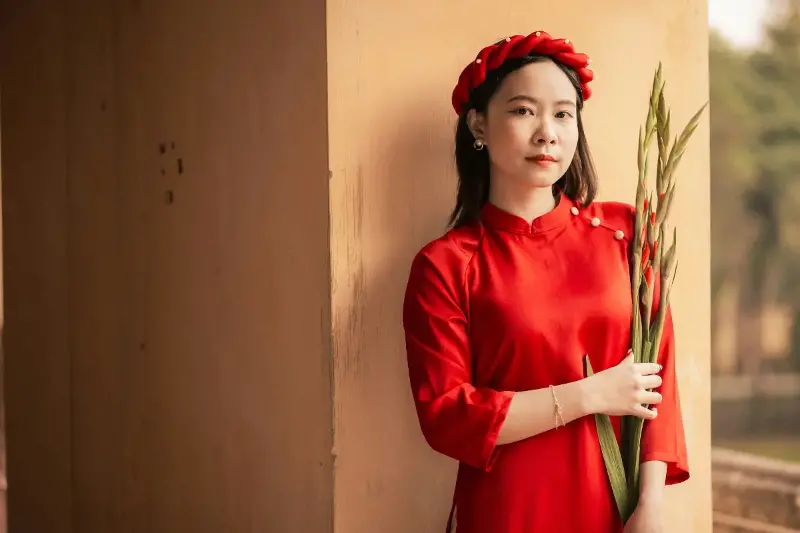
In springtime New Year celebrations from Lunar New Year to Songkran and Holi, nothing says joy and renewal like the color red. It’s a hue so bold and beloved that it often forms the centerpiece of holiday outfits. In China, red is the color of good fortune and warding off misfortune. In India, it symbolizes purity, love, and the energy of new beginnings—a fitting tribute for both men’s kurta sets and women’s saris.
What makes red so irresistible in spring wardrobes? Consider these vivid facts:
- Red envelopes: Worn together with red clothing, they amplify luck, especially for newlyweds and the youngest family members.
- Shared joy: During Korea’s Seollal, families opt for “bokjumeoni”—red or multicolored lucky pouches, which are sometimes matched to their hanbok outfits.
- Modern twists: Today’s springtime attire might blend traditional red tones with contemporary designs, allowing personal expression while honoring ancestry.
When you wear red, you’re not just stepping into a new year—you’re stepping into centuries of shared hope.
A tapestry of traditions: bringing it all together
Asia’s springtime New Year outfits are living mosaics—where silk, gold, and bright reds harmonize to tell stories of joy, longing, and unity. Each thread and embellishment shares a wish for the future and a wink to the past. The next time you see or wear these stunning garments, pause and imagine the generations of hands, hearts, and dreams that shaped them.
How might your own spring celebrations be transformed by embracing a splash of silk, a touch of gold, or a burst of red? Let these traditions inspire you to weave new meaning and color into your next fashion choice—after all, in the world’s many cultures, every outfit is a story waiting to be worn.