


Creating a truly enchanting home atmosphere involves much more than choosing the right furniture and colour palette; it requires mastery over the subtleties of lighting. Concealed lighting, often overlooked in standard interior design, is not simply an element of decoration but a transformative tool for ambiance. This expert guide will illuminate the path to perfecting hidden light wonders in your abode, elevating the ordinary into the extraordinary with understated elegance.
Concealed lighting, also known as hidden or integrated lighting, is a technique that involves tucking light sources away from direct view, creating effects that play with shadow and light, accentuating features, and generating a mood that can be both dramatic and soothing. To achieve this delicate balance, it's crucial to understand the various applications of concealed lighting and how they can be harnessed to create a warm and inviting environment.
One of the most popular forms of concealed lighting is cove lighting. This method involves installing LED strips or tube lights within recesses in a ceiling's coves, projecting light upwards, and offering a soft, indirect glow that can make the ceiling appear higher and the space more expansive. Cove lighting is particularly effective in living areas and bedrooms, where a serene ambiance is desired.
Another transformative approach is employing toe-kick lighting in kitchens and bathrooms. These are low-level lights fitted at the base of cabinets or beneath a bathroom vanity. They provide a subtle guide at night and add depth to your space while highlighting the flooring material. Moreover, they contribute to safety by ensuring visibility where it's most needed without the harshness of full overhead lights.
For those who cherish their art collections or want to feature particular wall textures or materials, consider recessed wall washers or track lighting. These discreet fixtures are installed within walls or ceilings, casting light across surfaces to accentuate texture or spotlight artworks without the clutter and glare of traditional lighting.

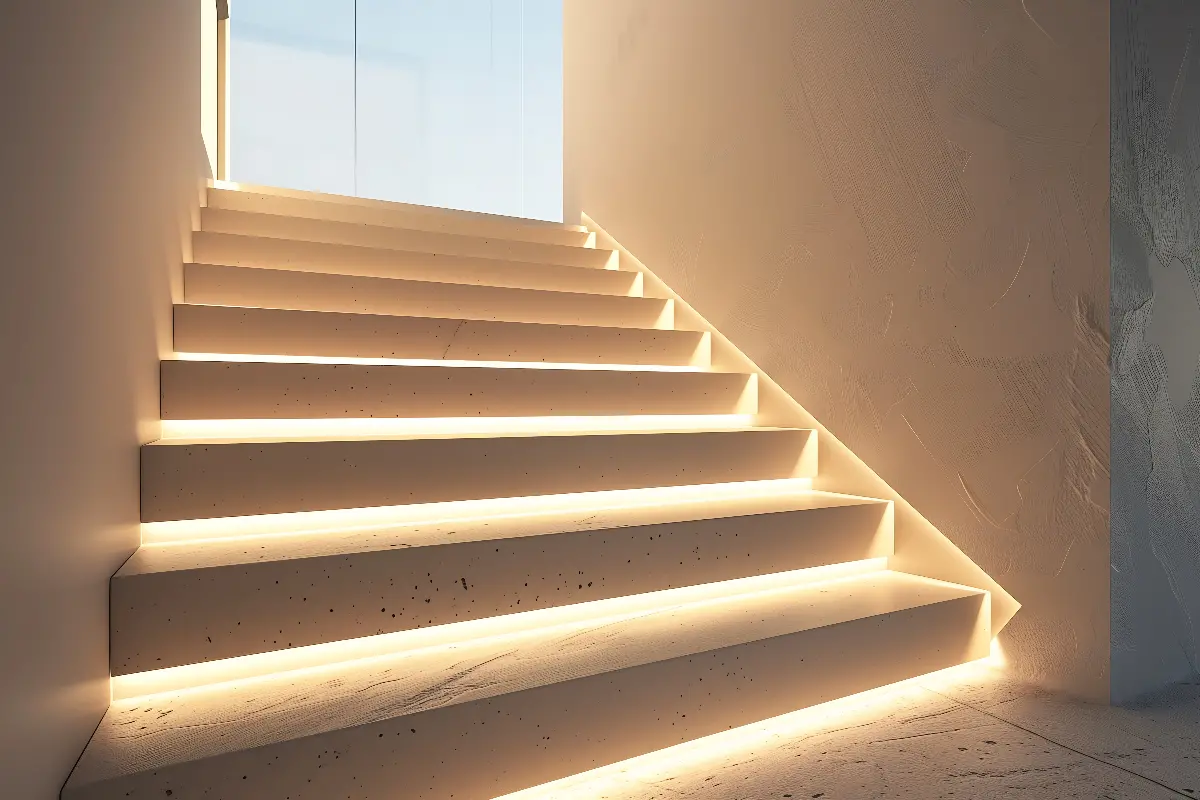
A more innovative concealed lighting method gaining traction is integrated architectural lighting. This design concept integrates light fixtures into the building's structure, such as staircases, railings, or even floor panels, creating an ultramodern look that seamlessly blends functionality with style. It guides movement through the space and adds a dynamic, sculptural element to your home.
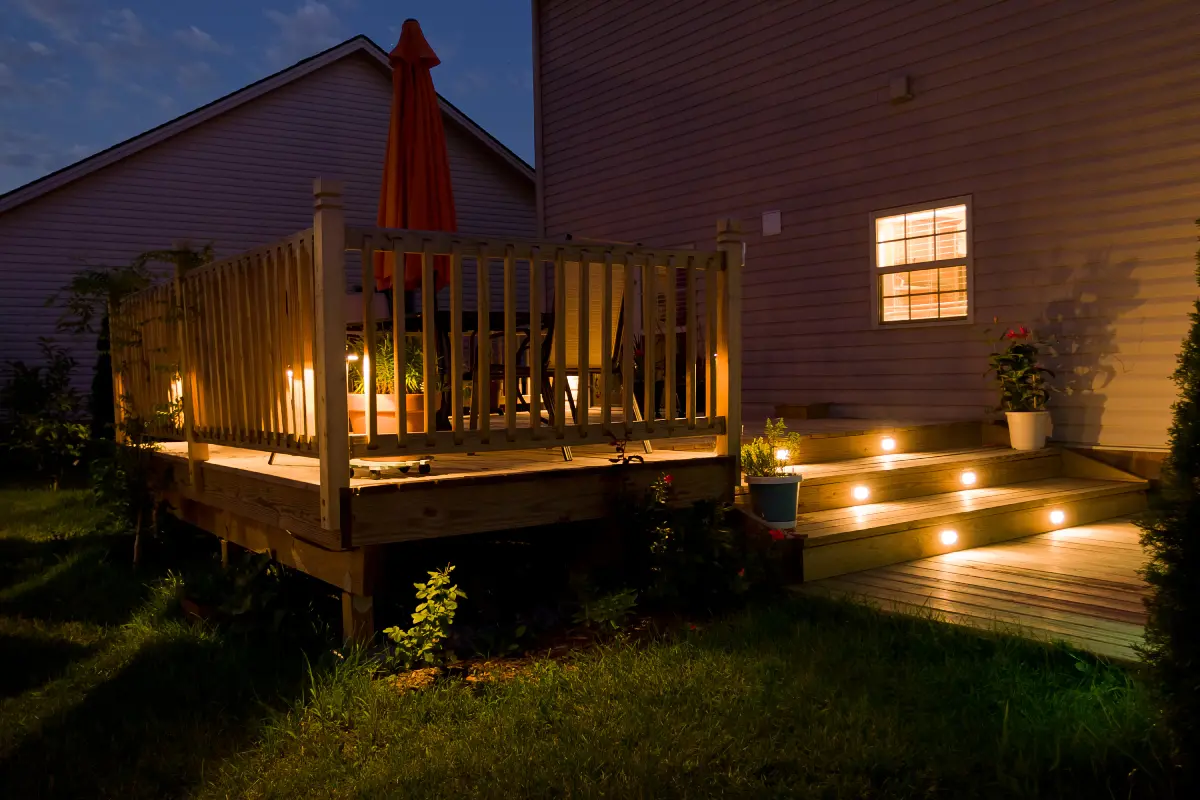
The magic of concealed lighting also extends to outdoor spaces. Hidden light sources can be nestled amongst garden features or under steps to highlight landscaping, provide safety, and make outdoor areas more inviting after dusk. Waterproof LED strips or low-voltage fixtures are favoured choices for reliability and energy efficiency.
When planning your concealed lighting, consider these aspects to perfect your design:
1. Colour Temperature: Understand the impact of different colour temperatures on the room's ambiance. Warmer tones (2,700K to 3,000K) are welcoming and relaxing, while cooler tones (4,000K and above) create a more energising environment.
2. Dimmability: Incorporate dimmers to give you control over the intensity of the light, enabling you to adapt the atmosphere to different activities or times of the day.
3. Quality of Light: Invest in high-quality LEDs to ensure consistent colour rendering, which means colours appear true to life under the light emitted. Look for a high Colour Rendering Index (CRI), preferably 90 or above.
4. Safety and Installation: Always consult with professional electricians for the installation. There are safety standards, particularly for bathroom and outdoor lighting, which must be adhered to to avoid electrical hazards.
5. Compatibility with Smart Home Systems: In an age of technology, integrating your concealed lighting with smart home systems can provide convenience through programmable settings, motion sensors, and voice controls.
In the end, concealed lighting is about creating a seamless blend of functionality and artistry. It's about understanding the delicate interplay between light and shadow, form and function, and using illumination not just to see but to feel. By thoughtfully incorporating concealed lighting into your home, you can transform mundane spaces into captivating experiences, enhancing both the beauty and the livability of your personal oasis. Whether it's a subtle glow or a dramatic accent, hidden light wonders await to be discovered by those keen to explore the potential of their homes' unlit niches.