


Stretching over 7,000 kilometres from Venezuela to Chile, the Andes Mountains form the magnificent backbone of South America. But beyond their staggering length and height, the Andes are a treasure trove of educational marvels—bursting with rainforests, volcanic activity, and the gentle gaze of alpacas. These features make the region a living classroom, inviting learners of all ages to discover the vibrancy and complexity of Earth’s dynamic environments.
Verdant Tapestries: The Andes Rainforests Unveiled
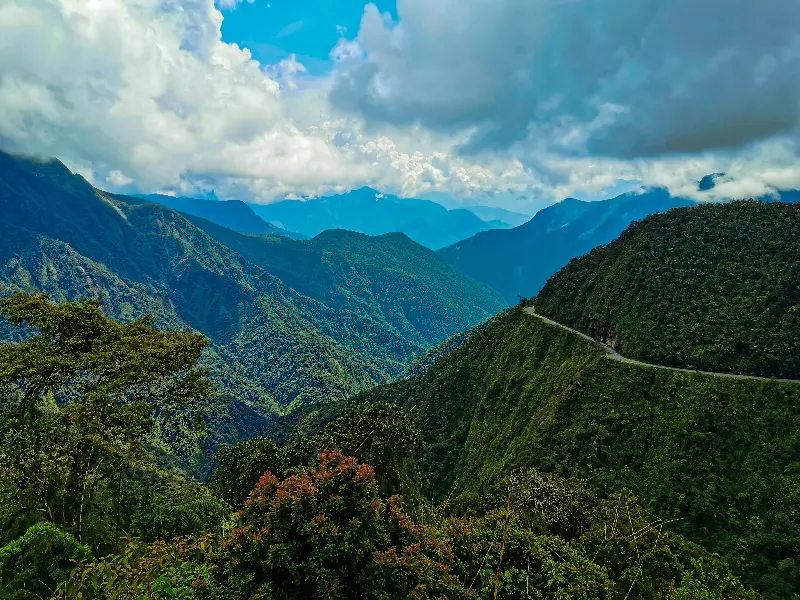
Aerial view of the Yungas Rainforest
Hidden within these formidable mountains, ancient rainforests flourish—in places like the Yungas of Bolivia and the Peruvian cloud forests. Unlike Amazonian lowland jungles, Andean rainforests climb steep slopes, with mist swirling around bromeliads and orchids clinging to mossy branches.
This vertical world is a lesson in biodiversity:
- Over 20,000 plant species thrive here, many not found anywhere else on Earth.
- The rare spectacled bear—the only bear species in South America—roams these forests, its habitat delicately balanced with human encroachment.
- Glass-winged butterflies and emerald toucanets dazzle learners with their unique adaptations to the cloud-shrouded habitat.
Encounters with these forests teach that life adapts to altitude and adversity, weaving together ecology, geography, and human culture in a vibrant tapestry.
Fire Beneath the Surface: Andes Volcanoes in Action
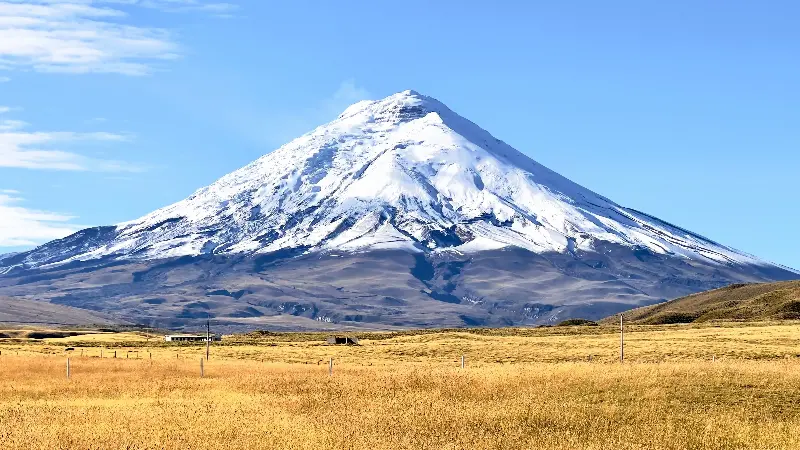
Cotopaxi Volcano, Ecuador.
The Andes are home to more than 150 active volcanoes, forming one of the world’s most explosive chains. Towering peaks like Cotopaxi in Ecuador and Chile’s Villarrica not only sculpt the landscape—they also drive lessons in geology and risk management.
Picture this:
- Some volcanoes rise above 6,000 metres, their snow-capped summits visible for hundreds of kilometres.
- Eruptions paint the sky with “fireworks”—molten lava, volcanic lightning, and ash plumes that fertilise surrounding valleys.
- Communities living in volcanic shadows must constantly navigate precaution and resilience, crafting evacuation plans and monitoring seismic signals.
The ever-present risk and beauty of volcanoes remind learners of nature’s dual power: both creative and destructive, demanding respect and awe in equal measure.
Woolly Companions: Alpaca Encounters in the High Andes

No journey along the Andes spine is complete without meeting the alpaca—a gentle camelid whose presence is woven into Andean life. High-altitude grasslands, or “puna,” serve as grazing grounds for herds tended by local families for generations.
Engaging with alpacas means diving into lessons of adaptation and culture:
- Their insulating fleece enables survival in chilly winds, and is spun into prized textiles across the globe.
- Alpaca herding teaches about sustainable agriculture and the deep connection between people and their mountain environment.
- In many Andean communities, weaving and dyeing alpaca wool passes down stories, symbols, and indigenous knowledge.
Meeting an alpaca face-to-face is more than charming—it’s a window into the perseverance and creativity of high-altitude societies.
Reflections on an Alpine Classroom
From shimmering forests and volcanic “fireworks” to the soulful eyes of alpacas, the Andes offer learning not just from textbooks, but from the heart of experience. Each encounter sparks curiosity—about adaptation, resilience, community, and the extraordinary mix of nature and culture.
How might these lessons from the Andes influence how we see our own world—its challenges, its wonders, and its remarkable capacity for surprise? Perhaps the greatest education is simply to keep exploring, spine-tingling wonder leading the way.