


In the vast tapestry of the ocean, a small, yet vibrant thread captures the heart, much like the beloved character from a certain animated film: the clownfish. Known for their striking orange, black, and white bands, these marine creatures have captured the fascination of aquarists, marine biologists, and ocean lovers alike. But beyond the aquarium glass and silver screen splendor lies a fascinating and intricate story of survival and adaptation in the wild waters of the Indo-Pacific region.
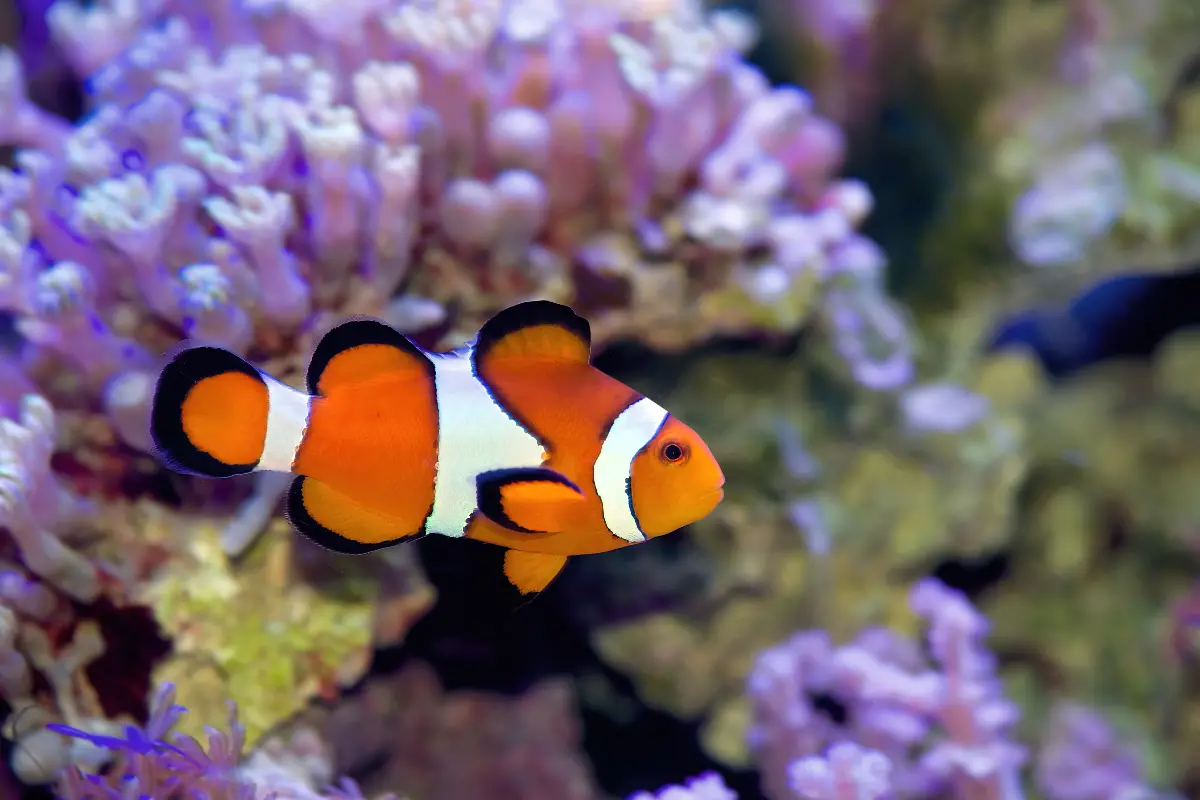
Clownfish, or anemonefish, hail from the subfamily Amphiprioninae within the Pomacentridae family. There are about 30 known species, each adapting to various niches within their underwater world. It's not their kaleidoscope of colors that's most fascinating, but rather their unique symbiotic relationships with sea anemones.
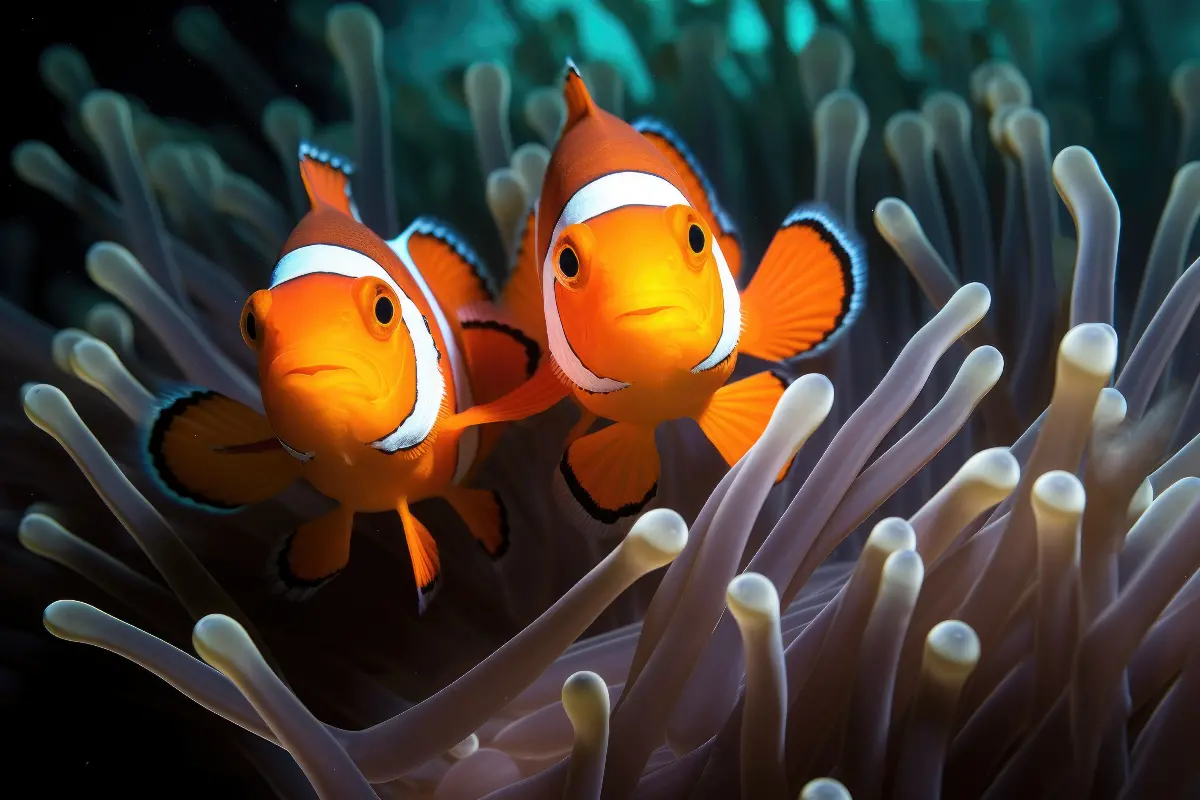
These relationships are a masterpiece of mutualism. The clownfish finds protection among the venomous tentacles of the anemone, which, to other fish, are lethal. But how does the clownfish dance through these deadly tendrils unscathed? The answer lies in a special mucus covering on the clownfish's skin, which is believed to be three to four times thicker than that of other fish, preventing the anemone from recognizing it as food and thus avoiding the sting that deters predators.
In return for safety, the clownfish serves its host by cleaning away debris, providing nutrients through its waste, and even attracting other fish that the anemone can prey upon. This symbiosis is essential for their survival; in fact, without an anemone, a clownfish’s chances of surviving are drastically diminished.
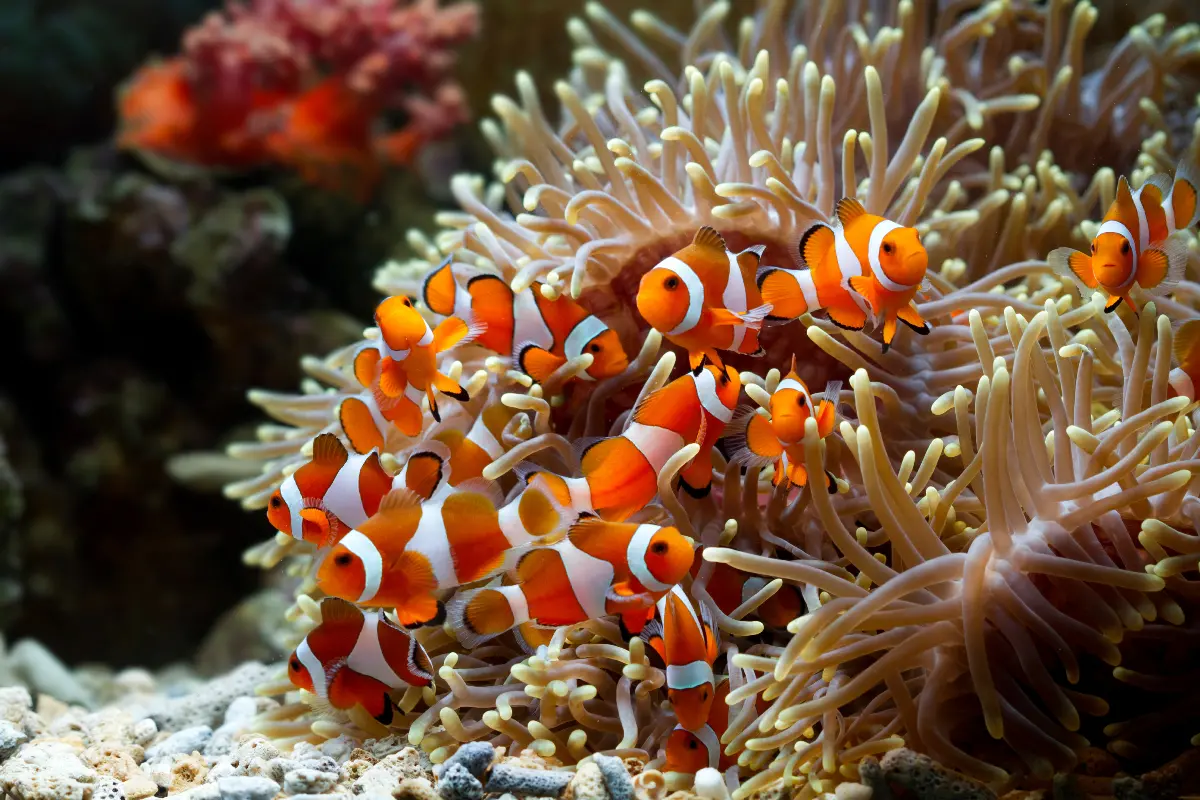
The inner workings of clownfish societies are equally as intriguing. These underwater communities are structured in a strict hierarchy with a dominant female presiding over a group of males. When she perishes, the most dominant male undergoes a hermaphroditic transformation and takes her place as the female leader of the group.
Clownfish are not born with this ability to survive the anemone's deadly kiss; it is acquired. Juvenile clownfish must perform a careful and deliberate dance with an anemone, gradually building up a tolerance to the stings by gently touching its tentacles with different parts of their body until they are accepted as a symbiotic partner.
But these fascinating creatures are facing threats to their existence. Many are harvested for the aquarium trade, and while aquaculture has been developed to rear clownfish in captivity, which relieves some pressure on wild populations, other threats like habitat destruction, pollution, and climate change loom large.
The plight of the clownfish brings to light a crucial aspect of reef ecosystems: the sensitivity of the balance between creatures and their habitats. Ocean acidification, a phenomenon caused by increased carbon dioxide levels in the atmosphere, poses a particular threat to clownfish. The acidification affects the olfactory senses of the clownfish, which, in turn, hampers their ability to seek out suitable anemone hosts. Additionally, warmer water temperatures resulting from climate change can disrupt the delicate reproductive processes of both clownfish and their sea anemone partners.
In terms of reproduction, clownfish are known to lay their eggs on flat surfaces located near the protective tentacles of their anemone homes. This location provides safety from predators and exposes the eggs to aeration essential for development. Once hatched, the larvae drift off into the ocean currents, embarking on a solo endeavor until they mature and find an anemone to call home.
While clownfish have been the subject of human fascination for years, there's still so much to learn about these marine creatures. A striking example of intricate animal behavior and ecological dependence, they offer insights into the wonders of evolutionary adaptations, the complexities of the underwater ecosystem, and the delicate dance of symbiotic relationships.
As we continue to delve into the depths of marine biology, the clownfish stands as a testament to the interconnectedness of life under the sea. By promoting sustainable practices, both in the aquarium trade and in ocean conservation efforts, we can help to ensure that the natural antics of these exquisite fish can continue unimpeded by human activity for generations to come.
The clownfish, with its vivid dance through the sea's tapestry, reminds us of the fine balance of marine ecosystems. They echo the call for conscious engagement with the environment, a call as resonant as the name "Nemo" in the halls of popular culture. In a world where the ocean's wonders are as vulnerable as they are breathtaking, the clownfish serves as a colorful herald of the importance of environmental stewardship. Through research, conservation, and a continued appreciation for nature's marvels, we can all play a role in preserving the enchanting world of the clownfish and the broader ecosystem upon which it—and we—so deeply depend.