


Why wild hedgehogs and foxes are wandering into your backyard (and how you can enjoy these wild guests safely)

Have you ever peered out your window, coffee in hand, only to spot a pair of curious eyes glinting from the shadows beneath the rose bushes? Maybe a russet-tail fox at dawn, or the telltale rustle of a hedgehog nosing through last night’s leaves? It’s not your imagination: backyard wildlife encounters are on the rise in cities around the globe, turning ordinary urban gardens into unexpected stages for nature’s most enchanting creatures.
If you’ve ever wished for a front-row seat to the wilderness without leaving your neighborhood, you’re not alone. Wildlife sightings carry a unique magic - one part wonder, one part thrill - but these moments also raise important questions about coexistence. How can you admire hedgehogs, foxes, raccoons, and other furry visitors without unsettling their delicate rhythms or risking your pets and plants? Let’s step into the moonlit world of urban wildlife together and discover expert advice on creating harmony in your own backyard.
Nature’s new neighbors: why wildlife is moving in
Cities are not as silent or isolated from nature as they may seem. More and more, hedgehogs, foxes, raccoons, and even badgers are drawn to the green oases of urban and suburban gardens. Why now?
- Urban sprawl has blurred boundaries. As cities expand, wild habitats contract, bringing wildlife closer to back patios and compost bins.
- Gardens offer a buffet of resources. Fruit trees, bird feeders, and even pet food left overnight attract a variety of species seeking easy meals.
- Climate change and food shortages are nudging animals to explore new territories.
Key takeaway: your backyard is part of a much larger ecosystem, and every hedgerow or garden shed can become a miniature wildlife corridor.
Mystery at midnight: what brings hedgehogs, foxes, and raccoons to your door
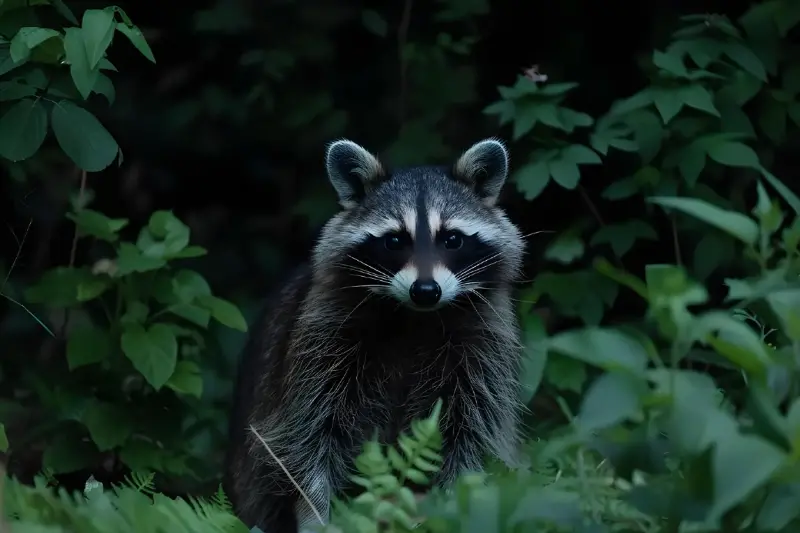
Imagine the scent of dewy grass mingling with the musk of wild fur. At dusk, hedgehogs shuffle in the undergrowth, searching for beetles and worms. Foxes, bold and wary, slip through gaps in fences, curious about new scents. Raccoons, clever urban foragers, test bin lids for a snack.
While the novelty of wildlife close encounters might leave you reaching for your phone camera, it’s worth asking what’s drawing these animals in - and whether your garden is a safe haven or a source of stress.
Wonder meets responsibility: how to humanely invite (or gently discourage) wild visitors
If the idea of regular wildlife guests fills you with joy, you’re not alone. But the experts agree - responsible admiration means setting thoughtful boundaries.
Here’s how to welcome wild visitors without upsetting nature’s balance:
- Keep food sources natural. Avoid leaving dog or cat food outside and resist the urge to feed wild animals directly. Instead, cultivate native plants that support insects and berries, giving animals a reason to visit without human dependence.
- Provide safe shelter. Log piles, unmown corners, and dense hedges offer hideouts for small mammals. A hedgehog house, tucked in a shady, quiet spot, can offer protection from pets and cars.
- Ditch the pesticides. Insecticides and slug pellets can harm garden guests, especially hedgehogs and birds. Embrace an organic approach for a healthier backyard community.
Did you know? Experts say that leaving small gaps under garden fences can help hedgehogs roam, increasing their chances of survival in urban landscapes.
Pet safety: protecting your beloved animals and wild visitors
Curious noses press against glass doors. Pets often react with either excitement or alarm at the sight of wild visitors - and sometimes, encounters can lead to accidents or stress.
To keep both pets and wild animals safe:
- Always supervise pets in the garden at dusk and after dark
- Close off small animal hutches and chicken coops at night
- Use motion sensor lights to gently discourage raccoons and foxes without scaring smaller creatures like hedgehogs
- Keep vaccinations up to date, especially for dogs and cats, to prevent diseases that can be transmitted by wildlife
Expert insight: Veterinarians warn that dogs startled by foxes or raccoons may give chase, risking injury on sharp fences or in traffic. Calm, positive training and careful supervision are your best safeguards.
Gardens as havens: keeping your landscape beautiful and balanced
Sharing your garden doesn’t mean seeing it destroyed. Thoughtful planning can help you strike a balance between welcoming wildlife and preserving your blooms.
- Fence off vegetable patches with mesh that won’t harm animals
- Harvest fallen fruit promptly to reduce temptation
- Install secure compost bins with tight-fitting lids to deter raccoons and foxes
- Choose robust flowers and shrubs that can withstand a little foraging
Pro tip: Lavender, rosemary, and other aromatic herbs can discourage some garden diggers, while wildflower patches support pollinators and provide cover for hedgehogs and birds.
Spotlight on stress: understanding the urban wildlife dilemma
The charm of a hedgehog snuffling beneath the stars is undeniable, but even well-meaning attention can become overwhelming for wild animals.
- Noise, light, and sudden movements can interrupt feeding routines or frighten young animals
- Human handling, however gentle, leaves animals vulnerable to predators by masking their natural scents
- Overfeeding by neighbors can cause imbalances, leading to unnatural population booms and conflict
Highlight: Natural awe comes with a responsibility. Experts urge: “admire wildlife quietly, from a distance, and remember you’re a guest in their world, too.”
Creating magic: a mindful guide to urban wildlife watching
Your backyard at dusk is alive with subtle sounds and secret dramas. Here’s how to amplify the magic without causing harm:
- Use a quiet, indirect flashlight rather than bright torches
- Observe from indoors or from a distance, using binoculars to get a closer look
- Place wildlife cameras to learn about your visitors’ nocturnal routines
- Share sightings in community groups to help neighbors spot and protect their garden guests
Emotional point: That fleeting visitor is not just a spectacle; it’s a reminder that wildness survives, even in the heart of a city. Every gentle action helps keep that mystery alive for generations to come.
Final thoughts: wild encounters, lasting wonder
As night settles and the world hushes, your garden becomes a secret stage for untold stories. Whether a prickled silhouette passing through the moonlight or a bushy tail vanishing at dawn, each wild encounter is both a privilege and a promise. By cultivating empathy, curiosity, and a little know-how, you can transform fleeting sightings into cherished memories - and ensure your backyard thrives as a sanctuary for all who call it home.
So the next time you glimpse a twitching nose beneath the hedge, ask yourself: what kind of neighbor will you be in this new, wilder world? The answer might just lead you into a deeper connection with the secret life at your back door.