


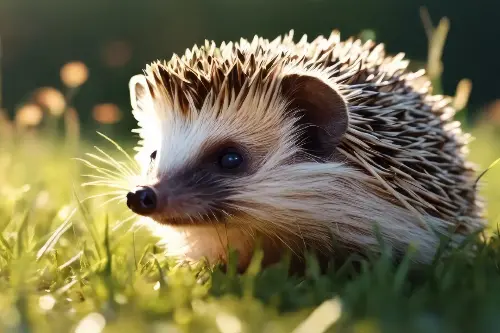
Amidst the rush of modern life, the enchanting tales of Beatrix Potter and the hedgehog character of Mrs. Tiggy-Winkle often evoke a sense of nostalgia. But there's more to these small creatures than their literary charm: the British hedgehog is an integral part of the UK's wildlife tapestry, yet one that's often overlooked and increasingly at risk.
The humble hedgehog, with its spiny armor and endearingly pointed snout, has roamed the British landscape for millennia. Once a common sight in our gardens and countryside, these nocturnal creatures have become a lesser-spotted phenomenon. Recent estimates signal a stark decline in hedgehog numbers, with rural populations having halved since the turn of the century and urban numbers decreasing by a third. Researchers now place them on the Red List for British Mammals, indicating that they're vulnerable to extinction.
But why should the fate of the hedgehog concern us? Beyond their appeal as a cherished part of the British fauna, hedgehogs play a crucial role in our ecosystems as pest controllers, feasting on a variety of garden invertebrates. Their wellbeing is a bellwether for the health of our natural world; declines in hedgehog populations can signal broader issues with habitat loss, pesticide use, and the fragmentation of our landscapes.
Hedgehog habitats have been shrinking at an concerning rate, primarily due to agricultural intensification, which has led to the loss of hedgerows and permanent grasslands — their natural corridors and feeding grounds. In urban areas, the transition to impenetrable garden fencing and the trend of 'tidying up' gardens by clearing leaf piles and logs — potential hedgehog homes — exacerbate their plight.
However, recent efforts are shining a light on the importance of hedgehog conservation, sparking a resurgence of interest in their protection. Various initiatives like Hedgehog Street, a partnership project by the People's Trust for Endangered Species and the British Hedgehog Preservation Society, have encouraged the public to create 'hedgehog highways' by making small changes to their gardens, such as creating hedgehog-sized gaps in their fences. Simple steps, like leaving out freshwater and suitable food, can also provide crucial support.
One particularly heartening development has been the adoption of the hedgehog as the first wild animal to be granted a conservation strategy by a UK local authority. Warwickshire County Council, recognising the hedgehog's plight, has led the way with its comprehensive action plan tailored to safeguard and enhance the populations within its jurisdiction.
Citizen science also forms a key element in saving these creatures. By logging sightings through apps and online databases, anyone can contribute to the enormous task of mapping hedgehog populations across the country. This data is invaluable for conservationists working to target their efforts effectively and monitor the impact of their interventions.
Rediscovering the hedgehog is not just about the thrill of spotting one snuffling through the undergrowth; it's also about understanding the underlying reasons behind their decline and the ways in which we can create a landscape that is hospitable for them and other wildlife.
One fascinating fact about these solitary animals is their hibernation behavior. Hedgehogs are true hibernators, settling into a dormant state from around November to April in response to the cold. During this time, their body temperature can plummet to match the chilly outside air, and their heart rate can slow to a mere few beats a minute. This remarkable physiological adaptation allows them to conserve energy when food is scarce, relying on their fat reserves to survive the winter.
As we consider our role in the protection of the hedgehog, we must remember that each individual effort can stitch together a mosaic of habitats capable of supporting these cherished creatures. Planting hedges rather than erecting fences, maintaining wild areas within our gardens, and being mindful of potential hazards like strimmers and bonfires where hedgehogs might nest are just a few ways we can make a difference.
Ultimately, the plight of the British hedgehog is a rallying cry for wildlife conservation as a whole. Through education and action, we can turn the tide for hedgehogs and ensure that these enchanting animals remain a fixture of the British night, not just in stories but in the rustling of leaves under the moon's pale glow. By rediscovering the forgotten plight of these creatures, we reclaim a piece of Britain's living heritage, preserving it not only for our generation but for those who will inherit the earth after us.