


The world outside your window transforms dramatically as darkness falls. While we humans prepare for bed, an entirely new set of neighbours emerges, embarking on nightly journeys across gardens, hedgerows and back patios. These hidden worlds are thriving with life—foxes, owls, hedgehogs, bats and even elusive insects come alive with surprising stories and adaptations. If you take a moment to peer into the shadows, you might just uncover a vibrant nocturnal community living right outside your door.
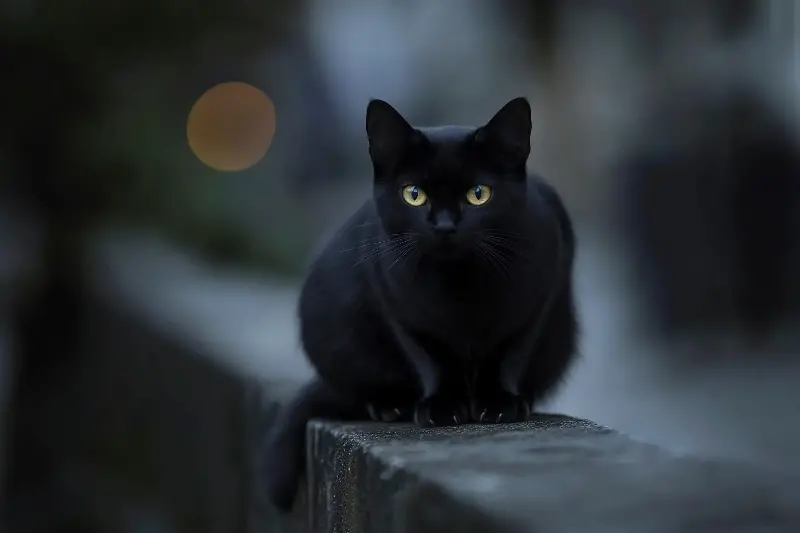
Mammals On The Move
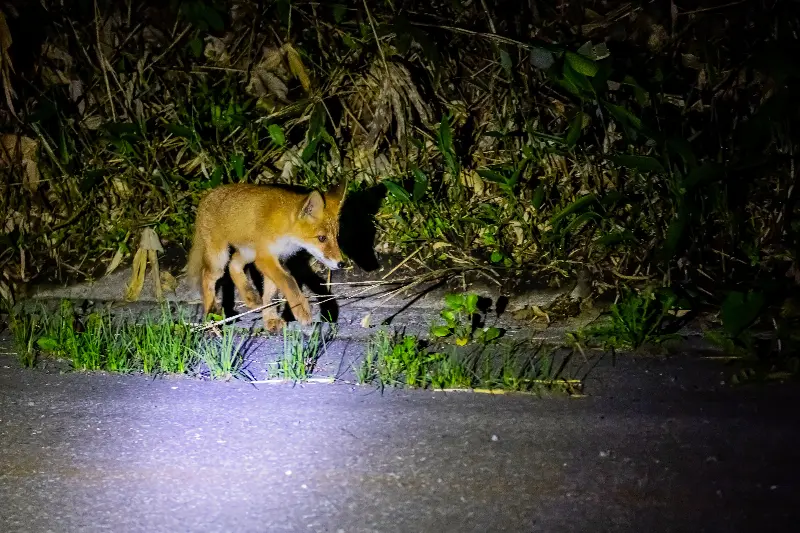
While you’re cosy inside, mammals like foxes, badgers and even hedgehogs are just beginning their busiest part of the day. Urban foxes, once confined to the countryside, have become a common sight in cities. Agile and quick-footed, they weave silently through darkened streets and garden fences, foraging for scraps, fallen fruit or an unlucky rodent. Their adaptability is astonishing; some have been observed waiting patiently at crossing lights and even using garden features as playgrounds for their curious cubs.
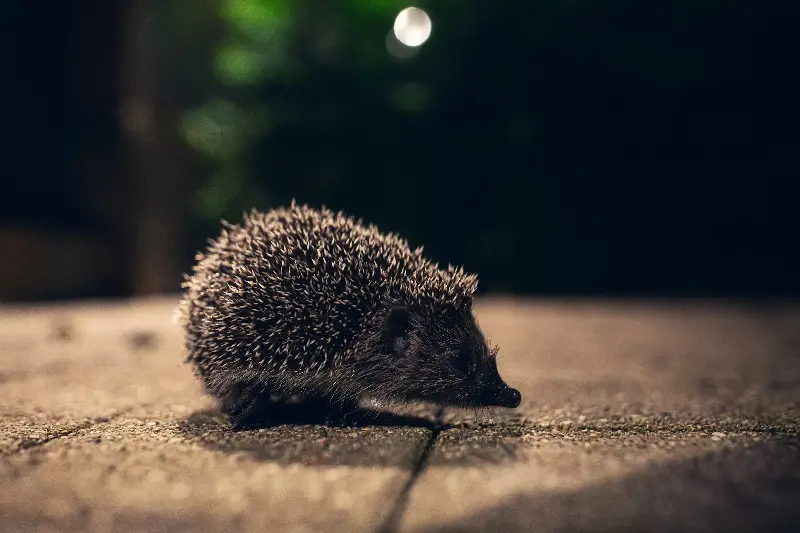
Meanwhile, hedgehogs begin their slow, snuffling patrols. These prickly visitors rely on keen hearing and smell, rooting through leaf litter and flower beds for beetles, worms and slugs. Though they may seem solitary, scientists have discovered that hedgehogs have complex social lives, sometimes meeting at “hedgehog highways”—tiny tunnels cut into garden fences, created by wildlife-friendly neighbours. Providing a shallow dish of water or a bowl of kitten biscuits may just earn you a regular prickly guest.
Birds Of The Night Sky
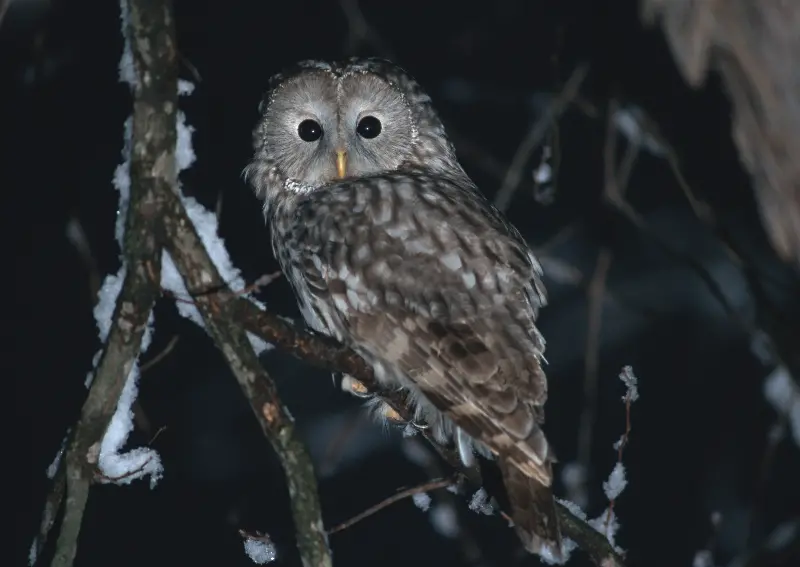
Night-time in the garden wouldn’t be the same without the haunting calls of owls. The distinctive “twit-twoo” of the tawny owl, Britain’s most common owl, signals both territory and courtship. These skilled hunters use extraordinary eyesight and almost silent flight to spot and catch tiny mice or voles rustling in the grass below.
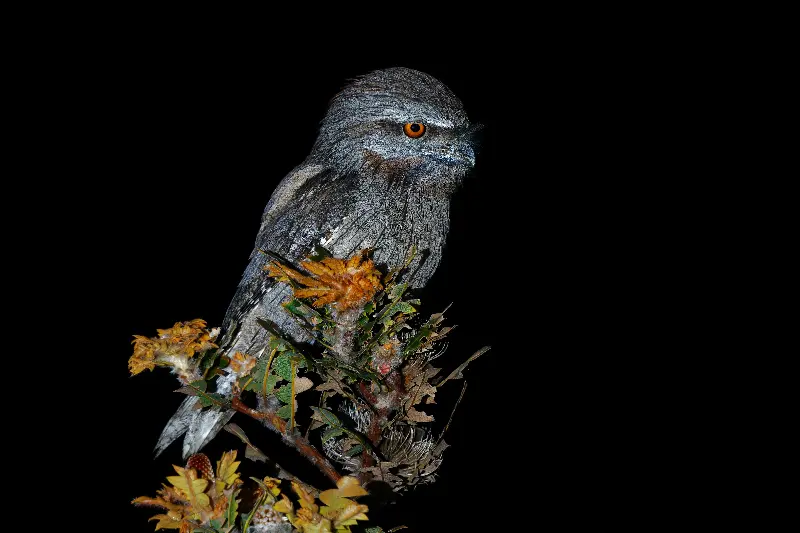
Not all birds sleep through the dark hours. The nightjar, a master of camouflage, spends its evenings trilling and swooping low over lawns and heaths, hawking moths and beetles from the air. Meanwhile, dainty robins and blackbirds sometimes burst into song beneath streetlights, confused by the artificial glow or defending their patch from rivals.
Insects: The Original Partygoers
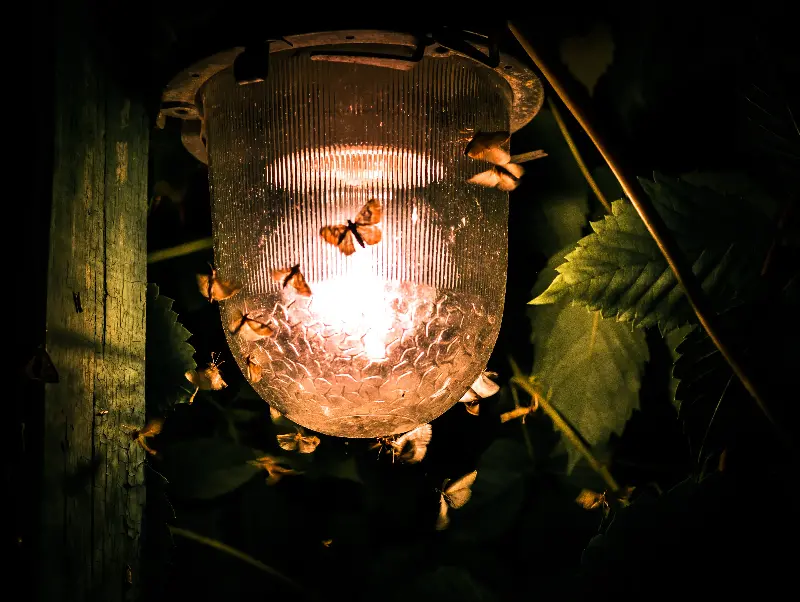
For every furry or feathery visitor you spot, hundreds of lesser-seen insects are right outside, staging their own nightly escapade. Moths, often overlooked in favour of their showy butterfly relatives, are crucial pollinators for night-blooming plants. The spectacular elephant hawk-moth, with its pink-and-green wings, sometimes appears at garden flowers. Some moths even mimic the smell of female bees or wasps, fooling pollinators into paying them a visit.
Glow-worms add an enchanting sparkle to dark corners, especially in June and July when females emit a cold green light to attract mates. If you spot these living fairy lights, consider it a sign of a healthy local ecosystem.
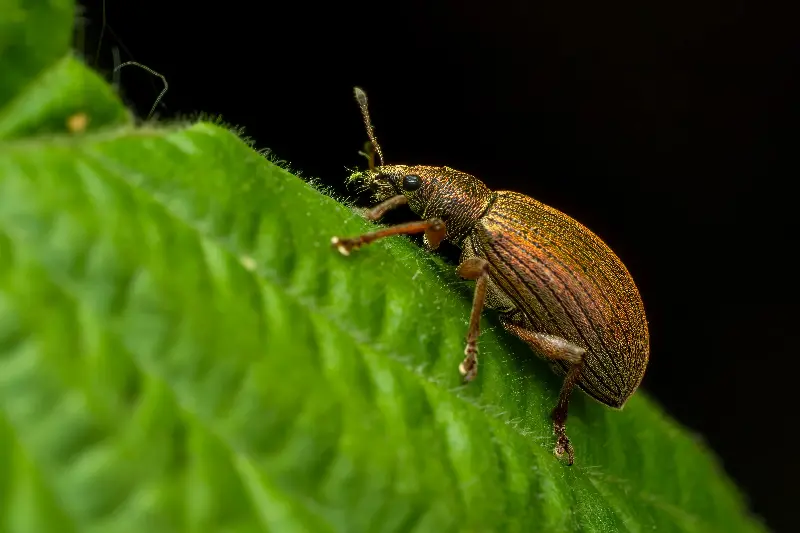
Earwigs, beetles, spiders and even the humble slug roam your patch by night, devouring detritus, hunting for food, or laying eggs that will hatch silently while you sleep. A nocturnal safari with a torch can reveal entire food webs unfolding just metres from your door.
Urban Jungle Or Rural Retreat?
You don’t need countryside to find fascinating creatures. Urban gardens, leafy communal parks and balcony tubs all serve as miniature wildlife reserves. Studies show that city badgers often have smaller setts but roam greater distances for food, thriving alongside people and pets. The secret to their success? They have learned to time their explorations for when human activity dies down, navigating roads with surprising precision.
Even apartment dwellers can play host to secret night-time guests. House centipedes and spiders patrol window ledges, while the distant squeak of a pipistrelle bat might be heard swooping alongside high-rise balconies. By adding pots of lavender or night-scented stocks, you can attract moths and the predatory ladybirds that follow.
