


Sourdough Revival: How Starters and Creative Baking Fuel Your Gut, Your Plate, and a Flavorful Comeback
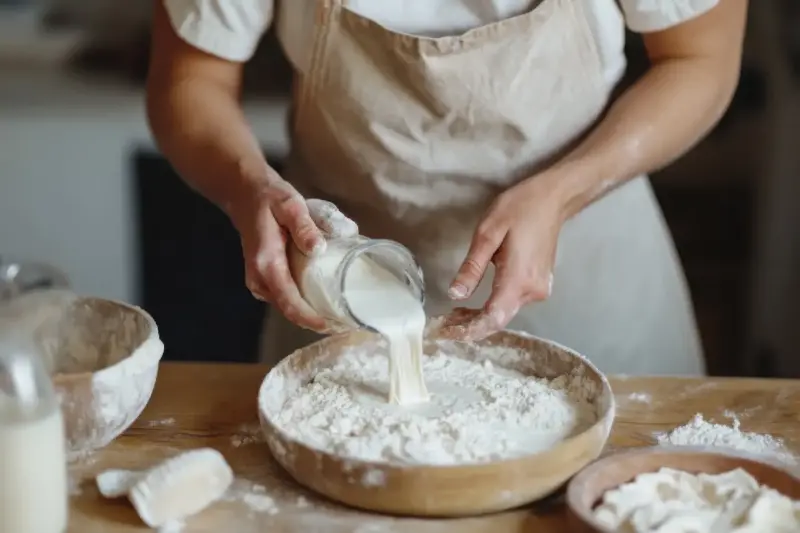
Have you ever wondered why that humble jar of bubbling sourdough starter is suddenly the hottest ticket in home kitchens again? It’s not just culinary nostalgia - it’s the science of flavor, nutrition, and a new wave of zero-waste creativity reshaping the way we bake, snack, and care for our guts.
Picture this: a cozy Sunday morning sun slants into your kitchen, illuminating a rustic loaf cooling on the rack. Warm, tangy aromas curl through the air, and nearby, a small bowl of sourdough discard waits to become something unexpected and delicious. If you’ve thought about a gut-friendly lifestyle or simply crave more meaning in your food rituals, the sourdough revolution offers an irresistible invitation. Here, you’ll discover not just the “how” but the “why” behind this movement - and learn how the artful use of starter discard, plus some straight-talk from dietitians, could change the way you eat forever.
Sourdough’s Comeback: Not Just a Pandemic Trend
Sourdough is no longer the project that kept us busy during lockdown. Today, it’s back as an everyday ally, blending tradition and innovation in kitchens worldwide. Why sourdough, though? Two reasons rise to the top:
- Flavor that sings: wild fermentation creates deep, tangy notes and a pleasantly chewy crumb you just can't replicate with quick yeast.
- Quiet health perks: probiotics and prebiotic fibers develop during fermentation, which can be a win for gut health and overall digestion. But this rebirth isn’t just about the perfect loaf. It’s about using every part, especially the mysterious “discard,” once tossed out without a thought. Now, bakers are spinning gold from what was once waste.
From Waste to Wow: Crackers, Pancakes, and Chocolate Cake
What exactly is sourdough discard? It’s the portion of starter you remove before feeding the jar, a ritual anyone maintaining a starter knows well. Rather than pouring it down the sink, home bakers are transforming this slightly tangy, still-active batter into a whole array of treats.
-
Crackers become nutty, shatteringly crisp, and deeply savory.
-
Pancakes and waffles take on a subtle complexity and golden tenderness.
-
Chocolate cake achieves an extra level of moistness and a mysterious depth, thanks to fermentation magic. Here’s why turning discard into delicious snacks is catching fire:
-
minimizes waste and stretches your flour further
-
adds flavor layers you never knew you needed
-
makes the most of every kitchen effort (and makes you feel like a zero-waste superhero) “I used to dread the waste,” admits Alexis, a Montreal-based baker. “Now, discard day is when I get most creative. The crackers feel artisanal, the pancakes have this mysterious tang. Suddenly, I’m excited to see what the discard will become.”
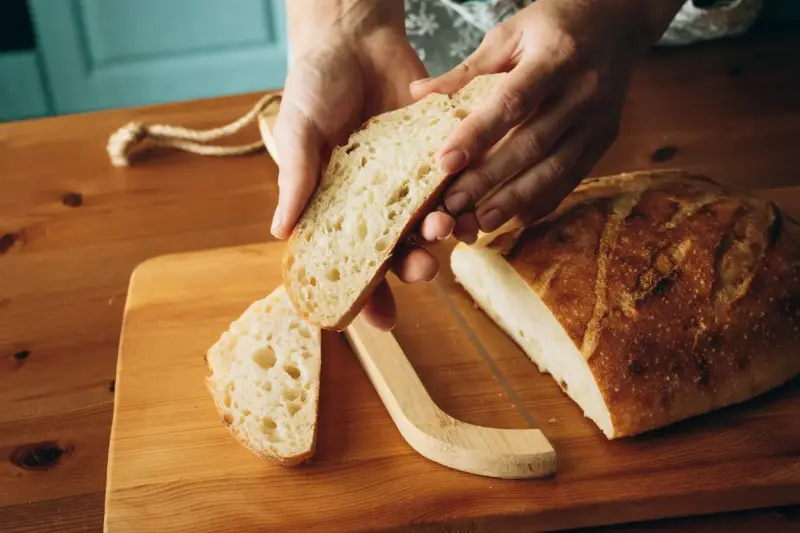
Fiber Facts: Do Fermented Grains Boost Your Gut?
It’s easy to get swept up in the romance of sourdough, but what do the experts say about the health claims? Registered dietitian Mark Hernandez sets the table straight:
- Whole grain sourdough is higher in fiber and nutrients versus bread made with white flour alone.
- “Fermentation slightly lowers gluten levels and makes certain nutrients, like B vitamins and minerals, more available,” Hernandez explains.
- While “probiotics” exist in the starter, most don’t survive the baking heat. The real gift: fermentation transforms the bread’s structure, making it easier to digest for some.
- “The buzz is mostly about prebiotic fiber,” says Hernandez. “Those are plant fibers that feed good gut bacteria, and sourdough, especially with whole grains, is a great source.” If you’re chasing superfood status, it’s wise to keep realistic expectations. “One loaf won’t change your gut overnight,” cautions Hernandez, “but small shifts - like swapping standard bread for well-fermented sourdough - absolutely add up over time.”
How to Make Gut-Friendly Sourdough Habits Stick
So how do you ride the sourdough wave without burnout or feeling like you’re running a science experiment? Here are strategies bakers and dietitians love:
- Start simple: a low-maintenance starter (just flour and water, refreshed weekly) can slide into even the busiest routine.
- Bake it real: opt for recipes that add whole grains for more fiber and lasting fullness.
- Don’t fear discard: keep an airtight jar in the fridge, label it, and search “sourdough discard recipes” whenever you crave a twist.
- Aim for balance: a slice of artisan sourdough at breakfast, crackers for snacks, and chocolate cake on weekends - it’s about variety, not extremes.
- Mind your gut: If you notice digestive changes, adjust how often you eat sourdough, and consult your healthcare provider for persistent concerns. Your kitchen doesn’t need to be a test lab for you to enjoy the best of both old-world flavor and new-wave wellness. The joy is in the journey, from flour-dusted hands to the first crunch or crumb.
Tangible Benefits (and Surprising Flavors) Await
When you swirl discard into batter or knead starter into a loaf, you’re participating in a tradition that’s as ancient as civilization. But modern bakers are giving it fresh life thanks to:
- creative, no-waste mindset: today’s sourdough kitchens think beyond the loaf - every gram of discard is a chance for something new.
- inviting the senses: each batch brings unique aromas, textures, and tastes, depending on ambient microbes, flour blend, and mood in the room.
- aligning with health: mindful, fermented carbs that respect your body’s rhythm, instead of empty calories. Imagine breaking a still-warm cracker, savoring a hint of sour alongside sesame or rosemary, or biting into a dark, fudgy cake with a depth you can’t quite identify - that’s discard working its subtle, sensory magic.
The Bottom Line: Sourdough Is More Than Bread
At its heart, the sourdough renaissance is about connection - to food, to the slow pleasure of craft, and maybe, quietly, to a better gut and less wasteful kitchen. This is more than a fleeting Instagram trend; it’s a heartfelt nudge to savor what’s simple, make use of every crumb, and explore the ancient alchemy that happens right on your countertop.
So next time you peek at a jar of starter, ask yourself: what could this become? A crusty loaf, a crunchy snack, a surprisingly luscious dessert? Maybe the real nourishment is in the curiosity and care you bring to the table.
And as the tantalizing tang of fresh-baked sourdough lingers in your kitchen, perhaps you’ll find yourself wondering: what other hidden flavors and healthful habits might be waiting - just a jar and a little imagination away?