


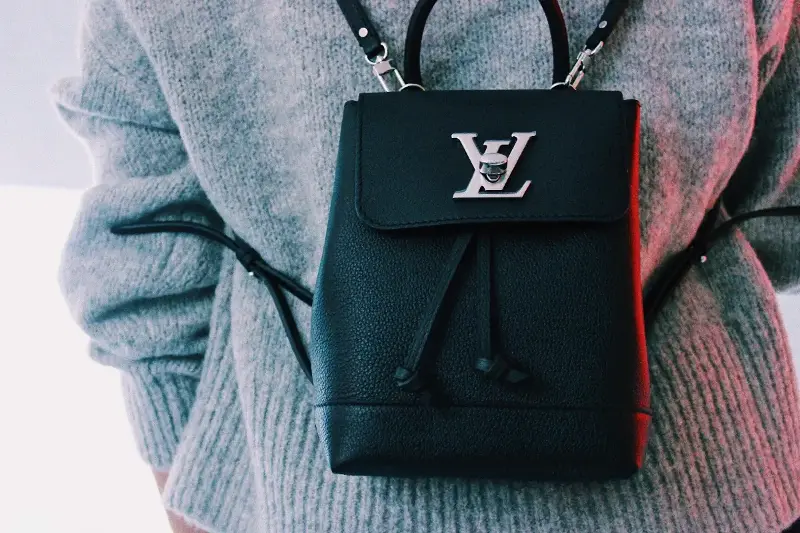
There’s something undeniably magnetic about designer goods. Whether it’s a quilted Chanel flap bag, a pair of Hermès Oran sandals, or a Rolex Submariner, luxury items promise a taste of exclusivity, refined craftsmanship, and—so often—the silent message of success. For decades, fashion aficionados and savvy consumers alike have debated whether splurging on these coveted items is a smart financial move or a costly indulgence. Let’s unpack the fascinating truth behind investing in designer goods.
The investment myth: Can designer goods really appreciate?
For many, the notion that luxury handbags or watches can serve as a financial investment is seductive. A select group of products has indeed achieved legendary status among resellers for outpacing traditional investments such as stocks or gold. Consider the Hermès Birkin: Between 1980 and 2015, its value reportedly grew 14.2% annually, outperforming the S&P 500. Some reasons why a few designer goods can appreciate:
- Scarcity: Limited editions and waitlist-only pieces tend to heighten demand.
- Brand Legacy: Iconic houses like Hermès, Rolex, and Chanel maintain strict quality and production control.
- Condition & Rarity: Pristine pieces, especially with original packaging, are sought after years after purchase.
Yet, the majority of luxury items do not appreciate at similar rates. For every “it-bag” that becomes a collector’s dream, countless others see their value plunge once trends shift and new lines debut.
The cost of carrying—and keeping—luxury
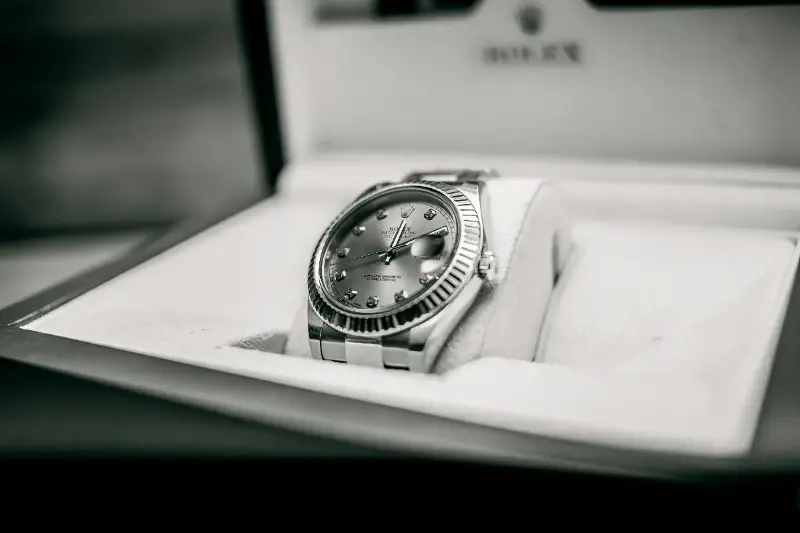
Beauty, alas, can be costly to maintain. High-end fashion often comes with significant ongoing investments even after the initial purchase. Authentication services, minor repairs, professional cleaning, and secure storage quickly add up. In addition, fluctuating resale markets mean:
- Popularity of a designer waxes and wanes, impacting market value.
- Wear and tear reduces resale potential; even tiny scratches matter to collectors.
- Fakes and super-fakes flood the market, making authentication even more critical.
Financial experts often stress that unless you have both deep knowledge of fashion’s secondary markets and ready access to coveted releases, designer goods rarely qualify as fail-safe investments.
Strategies for savvy collecting: Minimize risks, maximize returns
Is there a smarter path for those wishing to indulge—and maybe profit—in luxury? Absolutely. Consider these strategies:
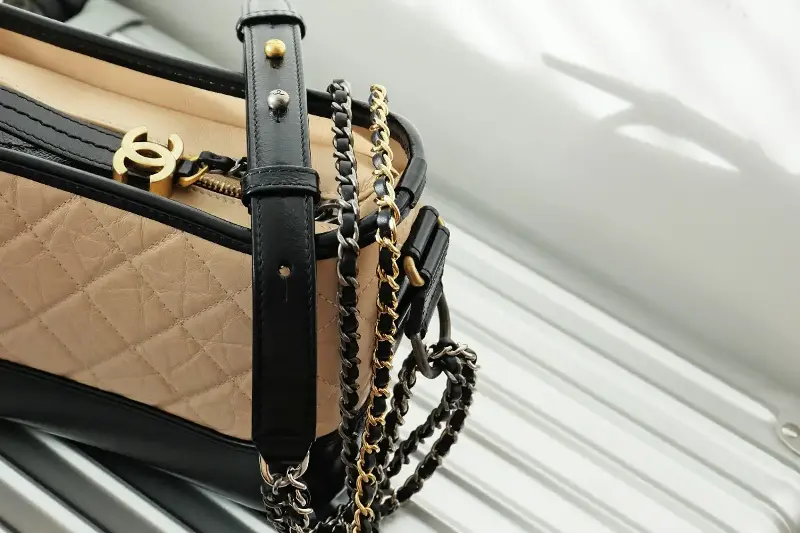
- Favor timeless icons: Classic pieces from brands with strict control over releases (Chanel Classic Flap, Louis Vuitton Speedy, Rolex Daytona) tend to hold value best.
- Opt for neutral colors: Black, beige, or tan often outpace bolder, seasonal hues in the long run.
- Keep everything pristine: Store dust bags, receipts, and boxes. “Full set” sales carry premiums on resale platforms.
- Stay informed: Follow trusted resale sites and forums for real-time market trends and authentication tips.
- Understand the real ROI: Luxury goods should be enjoyed first and foremost—their true value lies in personal satisfaction, not just profit potential.
A reality check: Luxury’s emotional and social dividends
Let’s not ignore the intangible returns. Owning a designer item often represents more than just capital. It’s about identity, confidence, heritage, and the thrill of self-expression. For some, the purchase of a special watch or handbag marks major life milestones—a celebration of ambition or a cherished memento to pass down.
If you’re debating whether to splurge, consider your motivations and your means. Experts suggest setting clear goals: Is your purchase about style, status, potential profit, or pure pleasure? Your answer will shape whether your luxury purchase is truly an investment or simply a cherished liability.
Final thoughts: where do you stand on the luxury spectrum?
As the worlds of fashion, finance, and culture continue to evolve, so too will our relationship with luxury goods. Are you motivated by the possibility of high returns, or does the emotional value outweigh financial considerations? Perhaps, as with many things in life, the answer lies somewhere in between. As you contemplate your next acquisition, remember that the ultimate worth of luxury—whether liability or lasting asset—often depends on your own unique perspective. How will you define your next investment?