


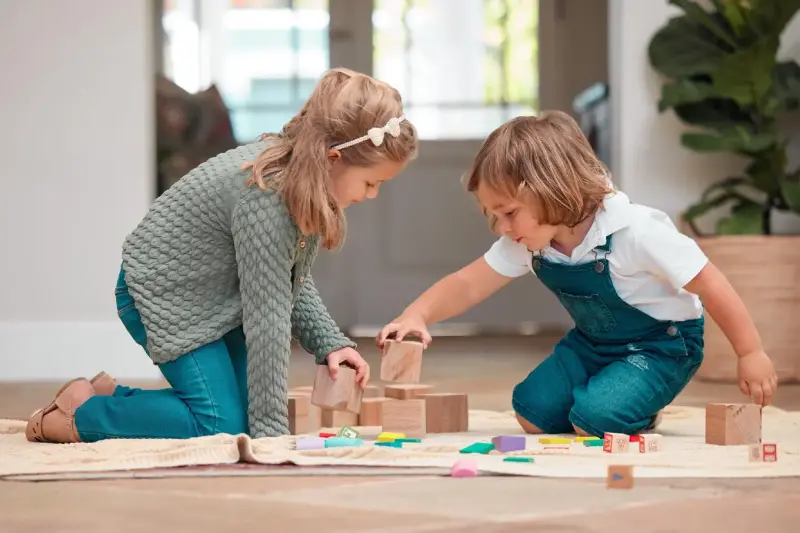
What if your children’s first best friends—and greatest life coaches—are just down the hall?
Imagine the laughter and sometimes chaos echoing in your home: the sound of siblings creating secret codes, staging wild adventures, and, of course, waging epic quarrels over the last slice of cake. But beneath those everyday moments lies a powerful truth. The science behind sibling bonding reveals something remarkable: those bonds could be shaping your child’s social skills in ways you may never have imagined.
A window into your child’s social universe
Step for a moment into the cozy world of your home in the afternoon light. Siblings squabble, share whispered jokes, and negotiate everything from territory to television. What if each of these ordinary exchanges is weaving invisible threads—building empathy, resilience, and the ability to navigate complex friendships later in life? Read on to discover how fostering positive sibling relationships might be the secret ingredient for raising emotionally intelligent kids.
Nature’s original social classroom
Siblings are often our first sparring partners and confidantes. But what makes these early relationships such a hotbed for social learning?
Research shows that children with siblings develop a more nuanced understanding of emotions and conflict resolution.
- They learn to read nonverbal cues during games or moments of tension, picking up on the tiniest shifts in tone and posture.
- They discover the art of compromise when deciding on shared activities or settling disputes.
- Empathy gets a workout every time a sibling scrapes a knee or feels left out.
A landmark study from the University of Cambridge found that even sibling rivalry has a silver lining. Regular disagreements, when navigated with mediation and parental guidance, teach kids how to stand their ground—without alienating others. It’s a safe environment to test out negotiation tactics, apologies, and forgiveness.
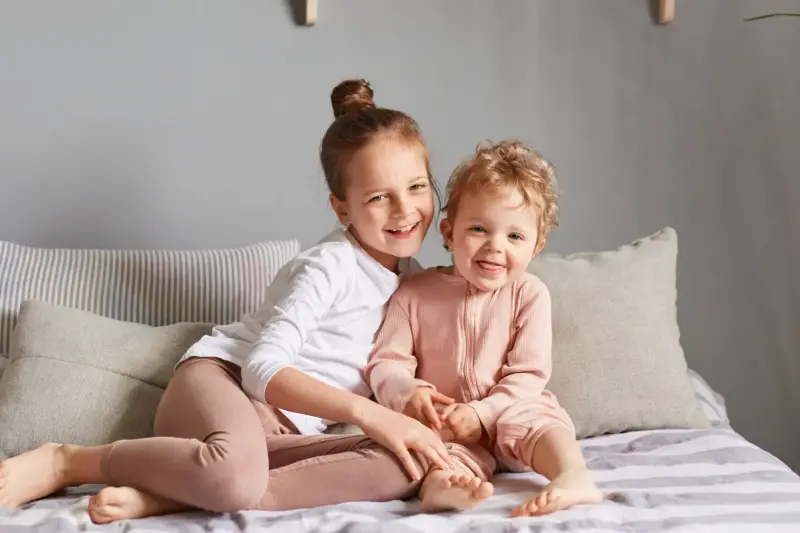
The invisible impact: Siblings and lasting friendship patterns
Did you know that a child’s relationship with their siblings can predict the quality of their friendships and even romantic relationships in adulthood? Psychologists call this “relationship rehearsal.”
Here’s what happens in practice:
- Kids learn to resolve conflicts with someone they can’t just walk away from, building grit and perseverance.
- They develop loyalty and trust, often keeping childhood secrets or acting as allies in sticky situations.
- Emotional regulation gets a boost—siblings trade jokes and support or tease and console, all in the space of a single afternoon.
Dynamic duos and diverse personalities
Every sibling relationship is unique, shaped by ages, temperaments, and birth order.
- Older siblings often take on leadership roles, gaining early lessons in responsibility and nurturing.
- Younger ones develop creativity in seeking attention or collaborating, mastering negotiation earlier.
- Twins or close-in-age siblings tend to forge especially deep bonds, almost like partners in an intricate, ever-evolving dance.
Of course, it’s not always harmonious. Chronic rivalry, jealousy, or exclusion can have negative effects, but with gentle guidance, these challenges become opportunities for growth rather than setbacks.
Tuning up the sibling connection: Practical tips you can try today
Want to nurture those connections and help your children thrive socially? Try these science-backed strategies:
- Set up cooperative games where teamwork—rather than winning solo—is the key to success.
- Model respectful conflict resolution so kids see disagreements as solvable, not catastrophic.
- Create rituals like shared bedtime stories or weekend breakfast adventures that anchor routine and intimacy.
- Encourage perspective-taking with gentle prompts (“How do you think your sister felt when…”)
Why sibling bonding is a lifelong gift
The evidence is clear: children with close sibling ties are often more confident, socially adept, and resilient. They carry forward the lessons of empathy, compassion, and collaboration into adulthood, shaping their communities and relationships in powerful ways.
Imagine your children, years from now, leaning on each other through life’s toughest moments—or sharing the joy of a family holiday, unspoken understanding flickering in their eyes. That’s the lasting magic of sibling bonds.
Your role: more conductor than referee
Parenting siblings isn’t about preventing every squabble, but about creating a safe stage for life’s social drama to unfold. By encouraging healthy communication and celebrating each unique relationship, voi set the stage for deep connections that reach far beyond childhood.
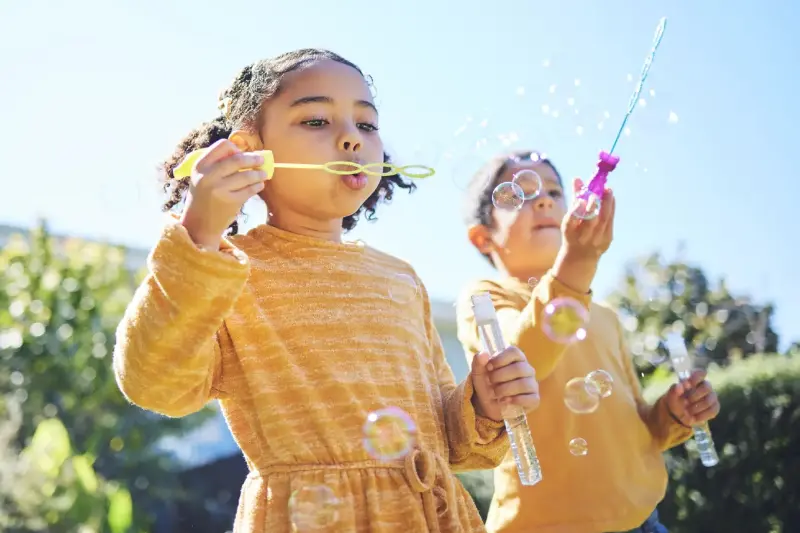
The next chapter: what will your family’s story be?
As the afternoon quiets and your children—brothers and sisters, partners and rivals—head off to their next adventure, reflect for a moment on the legacy being written in your home. The way sisters share secrets, brothers disagree and forgive, or every sibling lingers just a little longer before saying goodnight. There’s science behind it all, yet magic, too. How might your family nurture a sibling bond today that shapes a kinder, more empathetic world tomorrow? The answer just might lie in the joyful noise echoing down your hallway.