


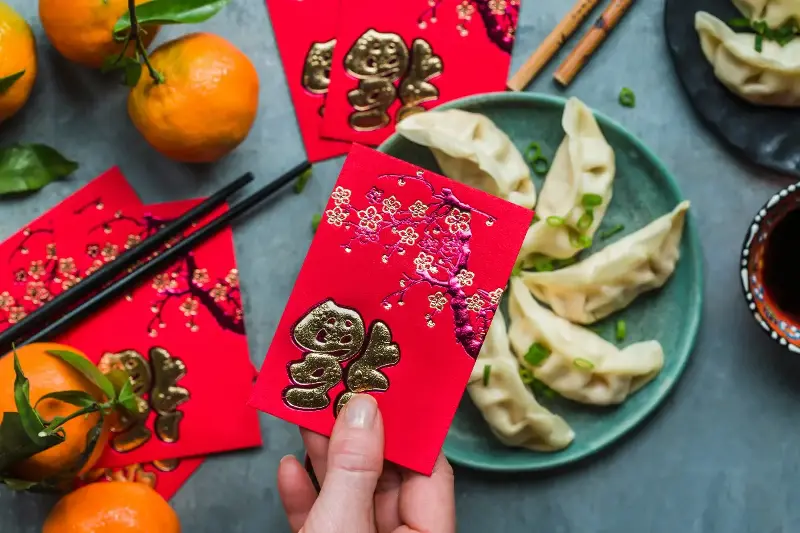
The glow of red: why envelopes mean more than money
Step into almost any celebration of the Lunar New Year across Asia and one thing immediately catches the eye: bold, red envelopes—adorned with gold calligraphy, delicate patterns, and sealed with good wishes. Known as hongbao in Mandarin or lai see in Cantonese, these small packets pulse with meaning beyond their cash contents. Red, in Chinese culture, symbolizes luck, happiness, and protection from evil spirits.
But giving and receiving these envelopes is more than a simple transaction. Traditionally, married adults distribute red envelopes to children and unmarried adults. The ritual, infused with gratitude, shares prosperity and resets the luck for a brand-new year. The sum of money inside usually ends in even numbers—except the unlucky four—and never contains coins, to avoid sharp edges “cutting” relationships. Beyond China, similar customs can be found in Vietnam’s li xi and Korea’s white envelopes given on Seollal, reflecting how the spirit of generosity shapes festive traditions across borders.
Feasting for family: more than just a meal
No Lunar New Year is complete without the sound of laughter—and the savory aromas—of a reunion feast. On New Year’s Eve, generations gather for a meal that is as much about togetherness as it is about taste. Family reunion dinners, known as “nian ye fan,” feature dishes laden with symbolic meaning, each bite a wish for abundance and joy.
Some signature dishes include:
- Whole fish (pronounced “yu”), symbolizing surplus and wealth. Custom dictates to leave some uneaten, so “there’s always more than enough.”
- Dumplings (jiaozi) shaped like ancient silver ingots, eaten at midnight for prosperity.
- Glutinous rice cakes (nian gao), their name a homophone for “higher year,” representing progress and growth.
- Long noodles, never cut, promising a long life.
The feast is orchestrated with precision; elders are served first as a sign of respect, and the clatter of chopsticks becomes a rhythm of reconnection. For families separated by distance, and even those connecting over video calls, this meal nourishes bonds as deeply as bodies.
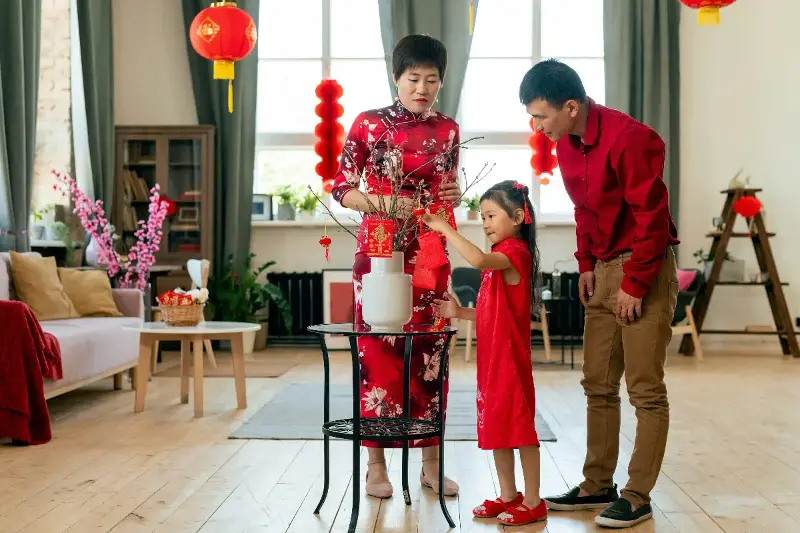
Sweeping away the old: doors open for fresh fortune
As the festival approaches, homes are a blur of activity—walls scrubbed, bedsheets changed, debts paid. This “spring cleaning,” or da sao chu, is no ordinary dust-up; it’s an ancient practice to sweep away last year’s misfortunes and make space for good luck. But once New Year’s Day arrives, brooms are stowed away. Sweeping during the festivities could accidentally banish luck just as it’s arriving at your door.
Décor is another tactile joy: red lanterns and fu (福) characters, often hung upside down to signal 'good fortune arriving.' Many families affix paper cut-outs and banners with auspicious phrases, all bathed in the promise of a brighter year ahead.
A calendar full of customs: fireworks to dragon dances
The revelry doesn’t end after the first sunrise. Across fifteen days, each moment ticks forward with its own flavor of tradition:
- Big bangs! Lighting firecrackers at midnight scares off bad spirits and marks new beginnings. In many cities, public displays replace private fireworks to keep the peace (and pollution in check).
- Visiting relatives on the second day, an act called “hui men,” reaffirms ties with extended families.
- Lions and dragons dance through neighborhoods, their sinuous forms chased by drums, beckoning in health and happiness.
- The Lantern Festival on the fifteenth night closes the holiday with a dazzling display—floating lanterns guide lingering spirits and radiant hopes alike.
Every region, village, and family introduces their own flavor—making the Lunar New Year a living, breathing patchwork of pride and memory.
From the warmth of a red envelope pressed into your palm to the raucous joy of a shared meal, Lunar New Year is far more than a page on the calendar. It’s a testament to how cultures weave luck, kinship, and renewal into everyday objects and rituals. How might your own community’s celebrations connect you to deeper wishes for happiness and fresh beginnings? Perhaps the next time you see a crimson envelope or catch the scent of dumplings, you’ll feel inspired to look closer—and join in the dance of tradition, wherever in the world you may be.