



Tyres are the unsung heroes of your vehicle, gripping the road through every turn, pothole, and seasonal shift. Every moment you drive rests on four palm-sized patches of rubber. Yet, many drivers overlook these critical components—until it’s too late. The good news? A few smart habits can add thousands of miles to your tyres, keeping you safer and saving you money, no matter the season.
Step one: Master the art of proper inflation
Think of tyre pressure as the secret ingredient for long-lasting performance. When tyres are underinflated, they generate excess heat, causing premature wear on the outer edges. Overinflated tyres, meanwhile, put all the load on the center, wearing it out faster and compromising traction.
Here’s all you need to do:
- Check tyre pressure at least once a month and before long trips
- Use a reliable gauge—modern cars with TPMS aren’t always 100% accurate
- Adjust pressures to the level specified on the sticker inside your car’s door (not the number printed on the tyre!)
- Remember, temperature shifts—especially in autumn and spring—can drop pressure overnight
Properly inflated tyres don’t just last longer; they make every ride a smoother, safer experience.
Step two: Rotate tyres, reap rewards
Most people have a dominant foot—and cars have dominant wheels. Regularly rotating your tyres evens out wear patterns, ensuring you don’t end up with two bald and two healthy tyres.
How often is enough? Aim for every 8,000 to 10,000 km, or roughly at every oil change. Remember:
- Rotate front-to-rear if tyres are the same size
- Follow your car’s specific rotation pattern for optimal balance
- Don’t forget the spare if it’s a full-size match
This simple step can extend the life of your tyres by up to 20%, making it one of the smartest car care moves you can make.
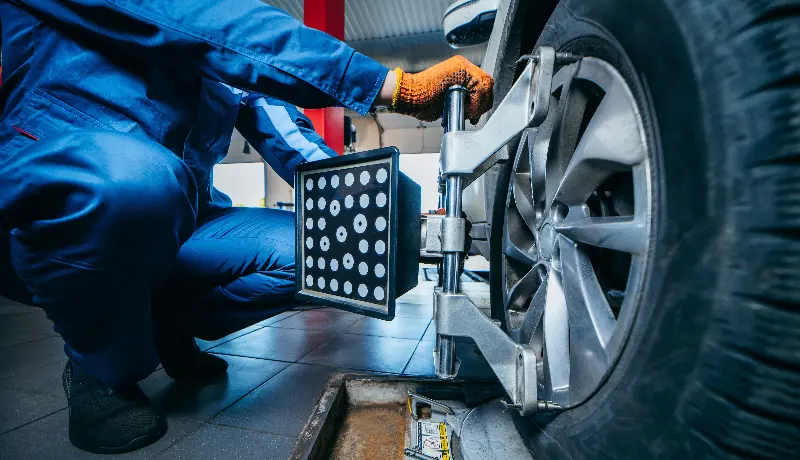
Step three: Balance and align for longevity
A small imbalance or a slight misalignment can do more damage over time than many realize. Misaligned wheels cause rapid, uneven wear and can affect handling—especially during slick winter or rainy conditions.
The tell-tale signs? Steering wheel vibrations, the car drifting to one side, or uneven tyre wear. Fixes are quick:
- Get wheels rebalanced and aligned whenever new tyres are installed or after pothole impacts
- Schedule alignments annually, or if you notice handling changes
- Don’t ignore subtle changes—tyres “talk” to you through wear patterns
Step four: Don’t skimp on cleanliness
Mud, salt, grit, and random debris—tyres encounter them all. Over time, chemicals and grime can degrade the rubber, especially in harsh winter or coastal climates.
- Wash tyres and rims regularly, especially after winter and off-road driving
- Remove stuck stones and inspect for cracks or embedded objects
- Use tyre-friendly cleaning products for best results
Clean tyres aren’t just for looks—they can help you spot damage early and prevent rot.

Step five: Adapt your driving—season by season
Every climate brings new challenges. From searing summer asphalt to slippery autumn leaves and icy winter roads, your driving style shapes the future of your tyres.
To help your tyres last:
- Accelerate and brake gently—avoid harsh starts and stops
- Slow down on rough, gravel, or snow-covered roads
- Avoid sharp turns and sudden maneuvers
- Store out-of-season tyres properly—in a cool, dry place, away from sunlight
By treating tyres with seasonal respect, you become part of your car’s success story.
Every journey starts at the contact patch
It’s easy to take tyres for granted, but a touch of attention today can mean countless safer, more enjoyable journeys tomorrow. Whether you drive through the tropics, the tundra, or city streets, one thing remains true: your tyres are where your life meets the road. What stories will your tyres tell when the seasons change again?