


Sugar vs Artificial Sweeteners: What Science Really Says About Your Sweet Tooth (and How to Indulge Wisely)
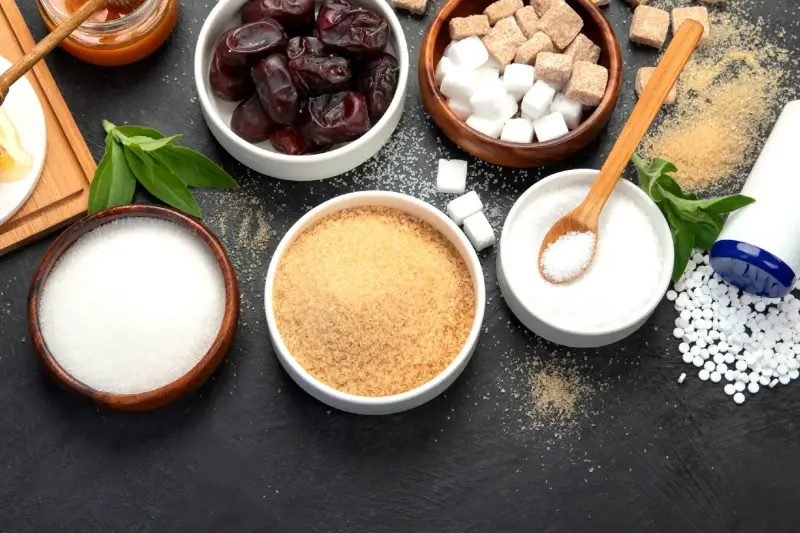
Ever wondered if that can of diet soda is better, or worse, than the real thing? Or felt torn between a velvety slab of dark chocolate and a zesty lemon sorbet made “lighter” with zero-calorie sweeteners? You’re not alone, and the answer is more layered than a perfect tiramisu.
Picture this: it’s late afternoon, a slow sun soaking your kitchen in gold. You crave something sweet - maybe a fizzing drink, or that creamy dessert with a just-right caramelized top. You want pleasure, but you also want to feel good after. The world of sugar and artificial sweeteners pulls you in both directions. Today, we’ll peel back the glossy surface and dive into what large, trustworthy studies reveal about these sweet choices, and how you can enjoy life’s small indulgences without compromising your health, energy, or wallet.
The Sweet Showdown: Sugar or Artificial?
When it comes to taste buds and health, the battle between sugar and artificial sweeteners is at a fever pitch. For decades, you’ve probably been told sugar is bad: empty calories, a spike in energy followed by an unforgiving crash, and whispers linking it to obesity and decay. Artificial sweeteners, from aspartame to sucralose and stevia, promised a magical fix: the sweet taste, none of the guilt.
So, what does science say about this clash?
- Traditional sugars (like cane and beet sugar, honey, maple syrup) are calorie-dense and raise blood glucose levels. Consumed in excess, they have been convincingly linked to an increased risk of type 2 diabetes, heart disease, and dental issues. Even natural sugars, under the microscope of large studies, show downsides if not kept in check.
- Artificial sweeteners (think aspartame in diet sodas, sucralose in those neon yellow packets, or “natural” options like stevia) are much sweeter than sugar, with close to zero calories. They don’t spike blood sugar like regular sugar, and have helped millions slash calories. However, new, sophisticated studies tell a more nuanced story.
Big Data, Bigger Answers: What Large Studies Reveal
Here’s where it gets fascinating. Early studies on artificial sweeteners suggested they were safe. But as data from hundreds of thousands of people worldwide has poured in, researchers are peeling back new layers.
A 2022 French study, tracking 100,000 adults over a decade, found that people who regularly consumed artificial sweeteners were more likely to develop heart disease and certain cancers. The increase was small but statistically significant, especially in those who relied on sweeteners daily. Similar findings have been echoed in UK, US, and other European cohorts.
Yet, these studies are careful to note: correlation is not causation. People who consume artificial sweeteners may have had pre-existing health risks or other lifestyle differences that muddle the results.
Meanwhile, other meta-analyses show that swapping sugar-laden drinks for diet options can help with weight management and blood sugar control - but only in the short term. The long-term impacts are less clear, and concerns remain about appetite, gut microbiome changes, and how sweeteners might influence cravings down the line.
Key insight: Neither is a silver bullet. Too much sugar is solidly linked to health risks; artificial sweeteners may carry subtle but real long-term concerns, especially if used daily and in excess.

Satisfying Your Sweet Cravings: New Habits, Not Deprivation
None of us want to live in a world where joy is rationed. Culinary pleasure shouldn’t come with a pang of guilt or anxiety. The secret? Transform your approach, rather than simply swapping spoonfuls.
Here are simple, palate-pleasing tricks to indulge without fallout:
- Pair sweetness with fiber or fat. A Greek yogurt parfait with berries satisfies and steadies blood glucose far better than a soda and donut.
- Go for natural sweet treats. Reach for an apple with almond butter, or oven-roasted pears with cinnamon - fresh, whole foods are harder to overdo.
- Savor, don’t scarf. The slower you eat, the more your brain registers satisfaction. A single square of good chocolate, melted on the tongue, can trump a whole candy bar mindlessly eaten.
- Hydrate with fruit water. Add a slice of orange or a few pomegranate seeds to sparkling water - you get juicy complexity, minimal sugar, and that festive “treat” feel.
- Create ritual around dessert. Light a candle, plate a piece of homemade banana bread, sip tea alongside. Mindful enjoyment is both more luxurious and less likely to end in overindulgence.
Spotlight: Easy, Everyday Swaps
If you’re looking to lower sugar without landing in artificial territory, try these budget-friendly swaps:
- Sweeten oatmeal with mashed banana or unsweetened applesauce, instead of brown sugar.
- Blend dates into homemade energy balls or smoothies for caramel flavor and fiber.
- Swap soda (diet or regular) for kombucha, unsweetened iced tea, or sparkling mineral water with a dash of herbs.
Key takeaway: The best dessert is the one that leaves you energized, not exhausted or anxious. The less you rely on “tricks,” the more intuitive - and enjoyable - your relationship with sweet taste can become.
What About For Your Energy and Budget?
Artificial sweeteners and sugar can both wreak havoc on your energy, especially if consumed solo. Rapid sugar spikes lead to crashes and cravings, while sweeteners can, for some, stoke appetite and interfere with hunger cues. Pair any sweet treat with protein or fat to slow absorption and minimize highs and lows.
On the budget side, classic sugar remains cheap, but hidden health costs can pile up. Many artificial sweeteners and processed “diet” products come at a premium, especially trendy blends or new “natural” alternatives. Often, the best option for your wallet and waistline is to buy fewer packaged sweets and embrace easy home cooking.
Indulging for the Long Run: Finding Your Sweet Spot
Ultimately, life is too vivid - and food too magnificent - to be reduced to numbers and restrictions. The lifelong sweet spot isn’t about erasing sugar or solely relying on lab-created alternatives, but about:
- Mindful, deliberate enjoyment.
- Building meals around whole fruits, spices, and a diversity of flavors to satisfy every sense.
- Choosing an approach not just today, but for decades of birthdays, celebrations, and everyday pleasures.
So next time you’re craving a slice of cake or a bracingly cold soda, ask yourself how you really want to feel - now, and an hour from now.
Science gives us the facts, but finding true satisfaction is its own delicious experiment. How will you craft your sweet moments ahead?