


Circular closets: how repairing, renting, and reselling are reshaping fashion (and how to shop smart through the greenwashing maze)

Have you ever opened your closet, stood knee-deep in last season’s trends, and wondered if you’re dressing stylishly…or just quietly drowning the planet one fast-fashion haul at a time?
Welcome to the new world of circular closets. Imagine a wardrobe that’s as kind to your wallet as it is cool on Instagram, with pieces that live many lives through repair, rental, or resale. The movement isn’t just growing - it’s spinning faster, driven by smart, style-savvy shoppers (like you) who crave both fashion and a future.
Read on, and you’ll uncover not only why everyone’s talking about “circular fashion,” but exactly how to make it work for your lifestyle - from spotting real eco-credentials versus mere greenwashing, to picking the fabrics and brands that actually last, all while looking sharp and feeling good about your choices.
Why the circular closet is the new cool
The old cycle was simple: buy, wear, discard, repeat. But beneath that endless shopping thrill, guilt and clutter started piling up. Fast fashion’s environmental toll is impossible to ignore - from the dye-colored rivers of Asia to microplastics in our oceans. Now, Gen Z and millennials are leading a rebellion.
Circular fashion invites you to see each piece in your wardrobe not as disposable but as part of a story - being cherished, mended, shared, and reimagined.
The three R’s that are rewriting style: Repair, rent, resell
Let’s get practical. Even if your look is more minimalist than maximalist, the chances are you’re still sitting on a potential goldmine - or a heap of future landfill. Embracing the three R’s makes fashion as much about cleverness as consumption:
-
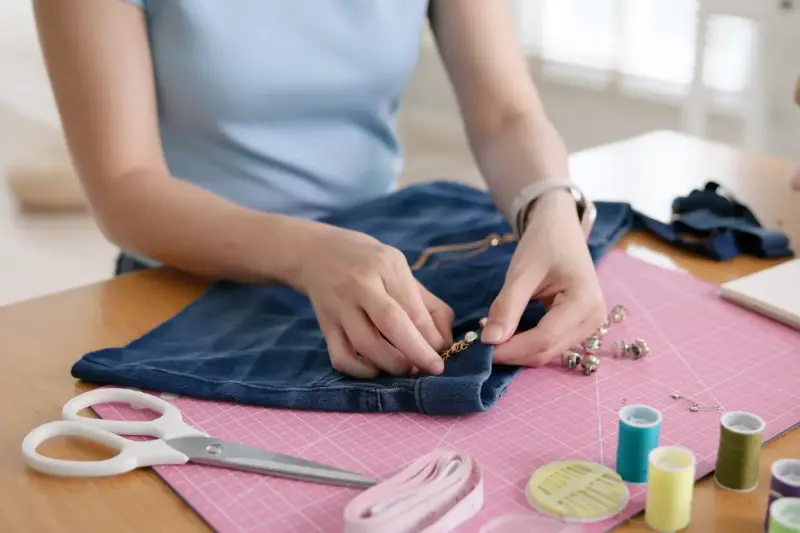
Repair: The silent revolution. Whether you’re hand-stitching a hem or relying on your neighborhood tailor, repairing clothes breathes new life into beloved shirts and jackets. There’s an undeniable intimacy here: the slow act of mending, the story stitched into every seam.
-
Rent: Big event? Try renting. From sharp suits to designer dresses, you can dazzle for a night, then return your look guilt-free. Apps like Rent the Runway have made luxury accessible, eco-friendly, and surprisingly affordable.
-
Resell: Those impulse buys gathering dust? Platforms like Depop, The RealReal, and Vestiaire Collective let you turn them into cash - or swap for something you’ll actually wear.
Key insight: A garment reused just nine extra months reduces its waste, water, and carbon impact by 20 to 30 percent.
How to spot real sustainability - and avoid greenwashing traps
With “eco-friendly,” “conscious,” and “sustainable” splashed on every tag, greenwashing can be a minefield. Brands want your trust, but not all eco-claims are created equal.
Watch for these signals:
-
Specifics over slogans: Does the label break down exactly how a garment was made? “100% organic cotton” beats a vague “eco-friendly.”
-
Third-party certifications: Trustworthy labels to look for include GOTS for organic fibers, Fair Trade for labor rights, and Oeko-Tex for chemical safety.
-
Transparency: Authentic brands share supplier information, offer repair programs, and even show their mistakes and progress.
-
Materials matter: Some fibers are better than others. (More on this soon.)
Beware the green sheen: If a company spends more on marketing its green image than on actual sustainable practices, you’re looking at greenwashing – not progress.
Fabrics that last and love you back
You want clothes that don’t fall apart after a summer, but also aren’t stifling or itchy. The secret? Trusty, time-tested fabrics that combine durability with style.
-
Natural fibers: Organic cotton, linen, wool, and hemp offer breathability, strength, and that soft-loved feel that gets better with age.
-
Recycled fibers: Recycled polyester and nylon keep plastic out of the ocean and look fresh, especially in outerwear and activewear.
-
Bamboo viscose (with a caveat): It’s soft and anti-bacterial, but look for cellulose processes that are closed-loop (less toxic).
Key takeaway: Denim, sturdy cottons, and tightly woven wools age gracefully without looking faded or tired. Fast fashion synthetics? Not so much.
Curious which materials to skip? Watch out for:
- Heavy use of virgin polyester or acrylic (likely to pill and pollute)
- “Fake” leather that flakes after a season
- Blends that sound green (like “eco-blend”) but contain minimal sustainable content
Circular chic on a budget: stylish AND affordable
Stylish sustainability doesn’t have to cost a small fortune. Here’s how to build a show-stopping closet without emptying your bank account:
-
Become a “slow shopper”: Pause before buying. Will you wear it at least 30 times? (If yes, it’s a keeper.)
-
Thrift and treasure-hunt: Vintage stores, resell apps, and even clothing swaps are goldmines for gems with unique history and affordable price tags.
-
Follow influencers who re-wear outfits: Seek style inspiration from fashion leaders who celebrate outfit repeats and creative styling, not endless consumption.
-
DIY experiments: Add patches, dye, or upcycle older items to breathe in new personality.
Top tip: Sometimes a simple shoe polish or a sharp tailor can transform “tired” pieces into statement favorites—no new spending required.
Red flags: what circular fashion can’t fix…yet
While the revolution is real, watch for these remaining hurdles:
- Sizing inclusivity: Not all rental or resale apps cater to every body.
- Quality control: Sometimes secondhand shopping is luck of the draw.
- Accessibility: Repair services are more common in cities than rural areas - but online tutorials are everywhere.
The future of your closet is circular
Imagine opening your wardrobe each morning and sensing not just style, but stories: the shirt you rescued from a flea market, the suit that outlasted three weddings, the boots you resoled for adventure after adventure. Circular fashion isn’t a sacrifice - it’s a subtle superpower, letting you look good, feel good, and do good with every wear.
Will you be the one who dares to spin your fashion cycle differently?
The next time you click “buy,” slip into a rental, or thread a needle, you’re not just following a trend. You’re joining a movement that’s changing what it means to get dressed - for you, future generations, and a planet that needs every mindful choice. So go ahead: open your closet, and imagine what’s possible if you say yes to turning fashion’s wheel. Where might your next story begin?