



Shopping in 2026 feels less like a straight line (search → click → buy) and more like a loop of discovery. Your phone suggests, your favorite creators demonstrate, stores respond in real time, and your purchase may land at your door—or wait for you at a counter for pickup. The upside is convenience. The catch is that it’s easier than ever to overspend, miss better timing, or trade privacy for perks without noticing.
Here’s a practical, global-minded guide to shopping well in 2026—whether you’re browsing online, hunting in-store deals, or mixing both.
1) Plan like a minimalist, shop like a strategist
Impulse buying didn’t disappear—it just got better packaging. A simple rule still works: decide what problem you’re solving (replacing worn shoes, upgrading a laptop, finding a gift) before you open any app. Keep a short wishlist and assign “want it now” versus “can wait.” In 2026, waiting often pays: prices can shift quickly due to dynamic promotions, limited drops, and stock-driven discounts.
Try this: set a “cooling-off” timer (even 24 hours) for non-urgent purchases. You’ll be surprised how often the urge passes.
2) Expect shopping to be “drop-based,” not browse-based
Many brands now use timed releases, limited editions, and short windows designed to create urgency—especially for fashion, sneakers, beauty, and collectible collaborations. Instead of endless catalog browsing, shoppers are trained to check in at specific times.
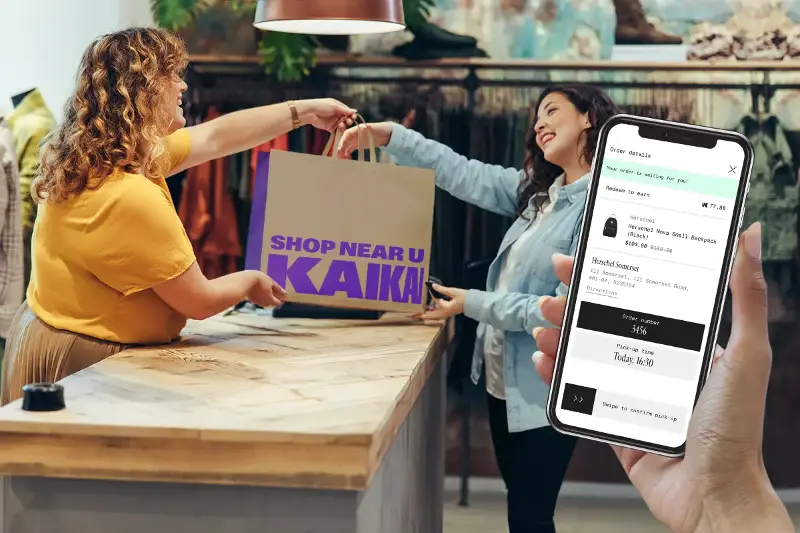
A real-world example is KAIKAI: Discover Nearby Deals (Google Play listing). It’s described as a gamified shopping app that surfaces “secret savings” and limited-edition items, lets users reserve items quickly, and then collect in-store—helpful if you want to see and feel a product before taking it home. The listing also emphasizes authentic, first-hand items and highlights access to premium products from stores in Singapore across categories like electronics, luxury fashion, beauty, sports and dining, with savings advertised as “up to 90% off.”
3) Use “online tools” to win at offline shopping
In 2026, the best deals are often hybrid:
- Research online (reviews, sizing, model numbers, price history)
- Reserve or confirm stock
- Pick up in-store to avoid delivery delays, reduce return hassle, and verify quality
Apps that support reservation and pickup can be especially useful for premium goods, where texture, fit, and finishing matter. KAIKAI, for instance, describes an in-store collection flow using QR/redemption steps, blending mobile checkout with physical pickup.
4) Treat notifications as a power tool—not background noise
Deal alerts can save money, but they can also create a constant “buy now” itch. The trick is selective permission:
- Enable alerts only for categories you already plan to buy
- Disable general “flash sale” pings
- Use a separate email inbox for promo offers
KAIKAI’s listing explicitly encourages notifications so users don’t miss upcoming “drops.” That’s useful—if it matches your plan.
5) Shop with your privacy settings in mind
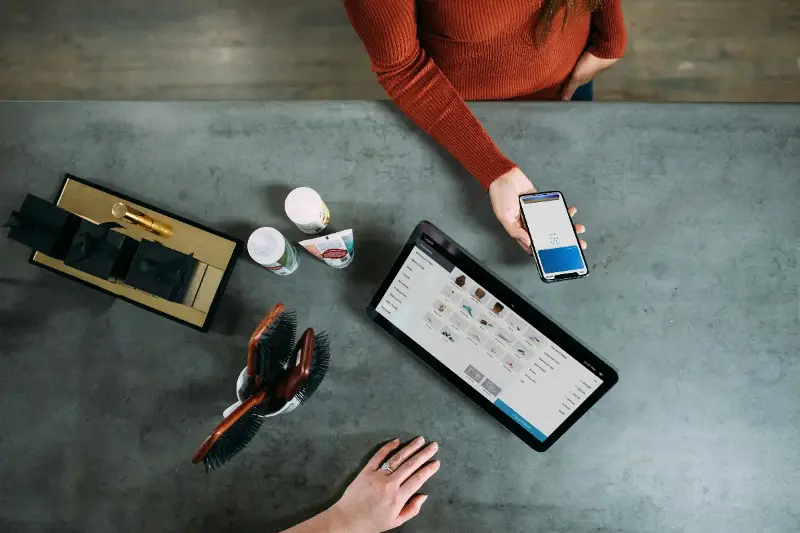
Personalization runs on data—location, browsing behavior, device identifiers, and purchase patterns. Before you commit to a new shopping app, scan its data safety section and adjust permissions.
On Google Play, KAIKAI’s data safety section indicates the app may collect data including location (and other categories) and notes that data is encrypted in transit, and that users can request deletion. Practical move: if you only need deals occasionally, consider allowing location access “only while using the app,” rather than always.
6) Returns, warranties, and authenticity are part of the “real price”
In 2026, the smartest shoppers calculate beyond the checkout total:
- Is return shipping free (or even possible)?
- How long is the warranty—and who honors it?
- For premium goods, what proof of authenticity is provided?
Apps that emphasize authentic, first-hand items and in-person collection can reduce the risk of disappointment—because you can inspect before finalizing possession.
7) The best 2026 shopping habit: compare “time cost”
A deal isn’t a deal if it costs your entire weekend. When evaluating a bargain, include:
- Travel time and pickup windows
- Setup effort and learning curve
- Return complexity
Sometimes paying slightly more for simpler pickup, clearer sizing, or easier returns is the more “luxurious” option.

In 2026, shopping success isn’t about buying more—it’s about buying with better timing, clearer intent, and smarter tools. Use apps and drops to your advantage, keep your notifications on a leash, and remember: convenience is valuable, but control is priceless.