


Urban Wildlife Unmasked: How Doorbell Cameras Are Revealing Nighttime Visitors (And How You Can Meet Them Safely)
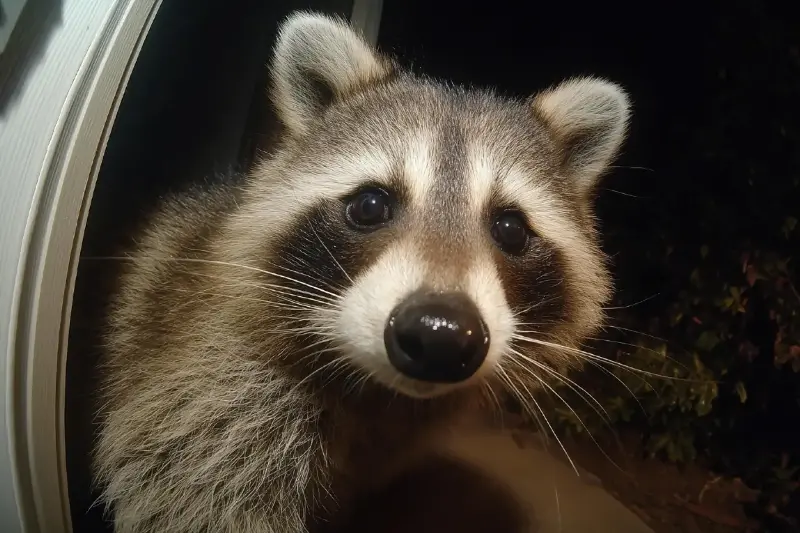
Ever wonder who roams your garden after sundown? Thanks to the rise of doorbell cameras, thousands of homeowners are discovering they share their neighborhoods with far more than just their human neighbors.
On any given night, a soft shuffle across the driveway or the flash of silvery-grey fur in a beam of infrared can signal the arrival of fox cubs out for their first adventure, a hedgehog seeking a midnight snack, or even an owl gliding from rooftop to rooftop. For many, these magical nighttime encounters spark pure delight - but they also raise important questions about how to coexist with urban wildlife gracefully, without disrupting delicate habitats.
In this article, you’ll uncover simple, science-backed steps to enjoy these charming animal guests. You’ll learn how to spot their secretive behaviors, respect their boundaries, and create a safe haven for wildlife - all without leaving your doorstep or unintentionally causing harm.
When Night Falls, Nature Comes Alive
Picture it: you’re reviewing last night’s doorbell footage, coffee in hand, when up pops the unmistakable silhouette of a hedgehog snuffling through the flowerbeds. Or you spot a fox, tail held high, padding across your patio in the hush before dawn. You might even hear a soft, haunting screech as a tawny owl lands silently on your garden fence.
These fleeting, enchanting moments offer a rare window into the secret lives of animals thriving in the shadows all around us. But as you watch, you might also worry: am I disturbing them? Could I do something to help, or should I leave well enough alone?
Below, you’ll find expert-backed answers from leading wildlife groups - and a practical guide to becoming a better neighbor to hedgehogs, foxes, owls, and more.
Why Feeding Isn’t Always Caring
If you’ve ever felt tempted to leave out a bowl of dog food or milk for your new wild friends, you’re not alone. After all, who can resist the urge to help an adorable hedgehog or watch fox cubs frolic just a little closer to the house?
But wildlife experts agree: feeding most urban wildlife does more harm than good.
- Health risks: Hedgehogs fed bread or milk can become seriously ill, while foxes might grow reliant on handouts and lose their natural hunting skills.
- Loss of fear: Regular feeding can make animals overly tame, leading to traffic accidents or conflict with pets and people.
- Unnatural gatherings: Concentrated food sources bring together animals that are normally solitary, spreading disease and stress.
If you want to support wildlife, the very best thing you can offer is a safe, undisturbed space. That means letting hedgehogs hunt insects, owls swoop for rodents, and fox cubs learn to fend for themselves.
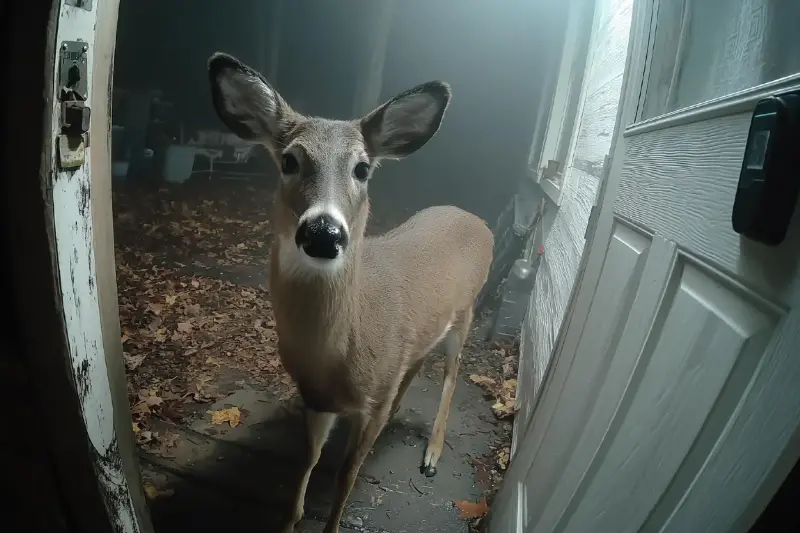
Creating a Wild Welcome (Without an Invitation)
So how do you help without harming? It starts by respecting each visitor’s unique habits and needs.
Here are four steps anyone can take, starting tonight:
- Leave the wild to the wild: Enjoy watching from indoors or via your doorbell camera, rather than approaching or cornering animals.
- Make your green space animal-friendly:
- Plant native shrubs or wildflowers to attract insects (natural hedgehog favorites).
- Leave a log pile or secluded corner as a hideout.
- Keep a shallow bowl of water (never milk) in a quiet, shaded spot.
- Keep it quiet after dark: Avoid loud music, sudden lights, or pets roaming unsupervised at night.
- Check before you tidy: Piles of leaves or wood are potential hedgehog nests, and unpruned trees may be home to owls.
The Magic of Noticing: Spotting Animal Visitors and Signs
Sometimes, the animals themselves are too shy for the camera - but clues to their presence are all around. Next time you step outside in the morning, use your senses to spot subtle signs:
- Hedgehog tracks: Tiny, five-toed footprints on soft earth or dewy paving stones
- Fox scents: A musky, slightly sweet aroma and scattered feathers or fur
- Owl pellets: Small, dark clumps (full of tiny bones and fur) found under branches or ledges
Tuning your awareness in this way turns even the smallest patch of garden - or a city terrace - into a living nature reserve. Children, especially, light up with wonder at these traces of nighttime life.
How Technology Is Changing Our Urban Safari
Doorbell cameras aren’t just about home security anymore. They’re becoming digital diaries of wildlife, chronicling foxes teaching their young to play, hedgehogs braving concrete jungles, or rare urban owls returning to nest.
Many communities are now sharing their camera-trapped moments online, creating citizen science observations that help track species health and migration:
- Local wildlife groups often encourage residents to submit their sightings, helping conservationists identify habitats that need protection.
- Social media groups and apps connect neighbors through shared discoveries - creating a sense of collective wonder and stewardship.
There’s something uniquely thrilling about seeing a wild animal stroll across your doorstep, knowing you’re part of a web of urban life.
Key Insights for Urban Wildlife Lovers
- Let animals be animals: Observation, not interference, is the secret to ethical wildlife watching.
- Habitat, not handouts: Focus your efforts on improving natural shelter and safe passage, rather than feeding.
- Love the mystery: Sometimes, simply knowing these animals are out there is a special reward in itself.
Reflections Beneath the Night Sky
There’s a quiet thrill in realizing you’re not alone, even in the most ordinary urban street. Hidden visitors bring mystery and meaning to our lives, reminding us that wildness endures, even on a suburban doorstep.
Tonight, as the city settles and stars begin their slow, silent shift, ask yourself: what other stories might be unfolding just beyond your porch light? Could a deeper connection to this nighttime world change the way you see your home, your city, or even yourself?
The next time your doorbell camera flashes, you’ll know - you’re not just seeing wildlife. You’re welcoming it, respecting it, and, in your own quiet way, helping it thrive. Isn’t that a wonder worth witnessing, again and again?