


There’s something deeply satisfying about the sight of a spotless car glinting in the sun, every surface free of dust and debris. For many, heading to the driveway or a local car wash is a ritual—part pride, part necessity. Yet, beneath that sparkle, hidden dangers can lurk. It’s possible that your diligent efforts to keep your ride impeccable might actually be doing it harm. How? Let's explore the surprising missteps drivers often make when washing their cars.
Soap suds sabotage: the wrong products can backfire
Those generic, all-purpose cleaners or dish soaps from the kitchen might seem like logical choices, but they’re actually harsh enemies to your vehicle’s finish. Car exteriors are designed with special protective layers—the clear coat and paint—that can be stripped away by the wrong chemicals.
- Household soaps can erode wax and paint protection, leaving your car vulnerable to fading and rust.
- Many people believe more suds means more cleaning power, when in fact, specialized car shampoos are formulated to lift dirt gently without damaging the finish.
Your best bet: always opt for pH-balanced, automotive-specific soaps. They clean while preserving your car’s youthful look.
Dirty water, dirtier results: the peril of contaminated tools
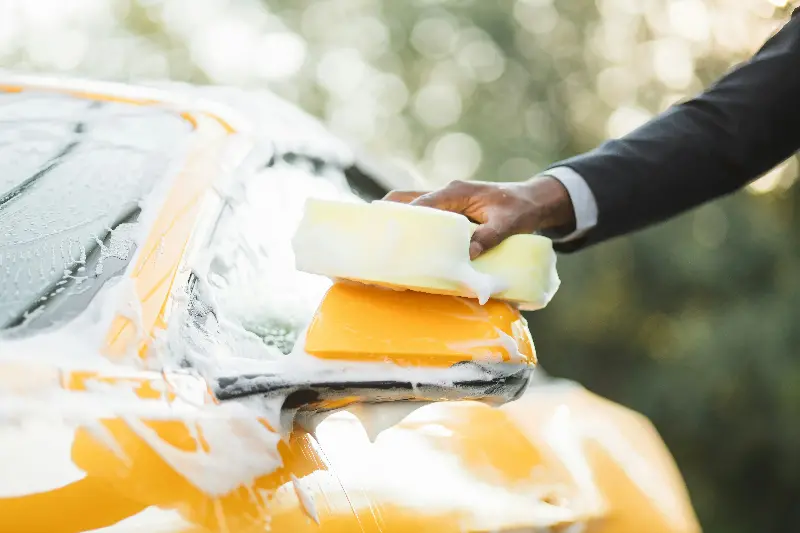
Grabbing an old, well-used sponge feels nostalgic, but it can be disaster in disguise. Grit trapped within its pores behaves like sandpaper against your paint.
Common blunders include:
- Reusing the same bucket of water, letting dirt circulate and scratch the surface.
- Cleaning with rags, towels, or sponges that haven’t been meticulously washed.
Instead, try the “Two-Bucket Method”: one bucket for soapy water, one for rinsing dirt off your mitt between washes. This simple habit can slash the risk of micro-scratches that dull your car’s luster.
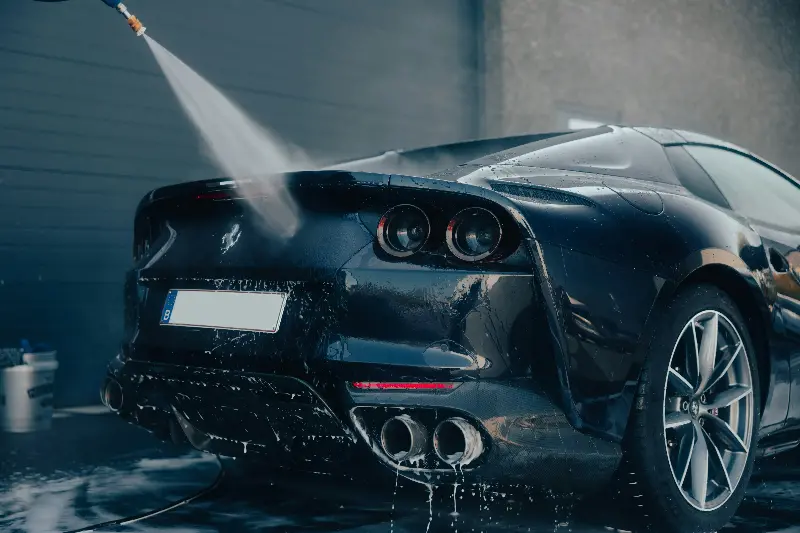
When pressure backfires: risks of aggressive sprayers
It’s tempting to blast away mud and grime with a powerful pressure washer, but caution is crucial. Excessive force can do real harm:
- Water pressured above the manufacturer’s recommendation can force itself into trims, seals, and even delicate electronics.
- Close contact can strip paint or create visible etching marks, especially on older vehicles.
Always hold the nozzle at least a foot from the surface and use wide, sweeping motions. For stubborn dirt, gentle brushing trumps brute force.
Sunny dispositions: washing under the wrong conditions
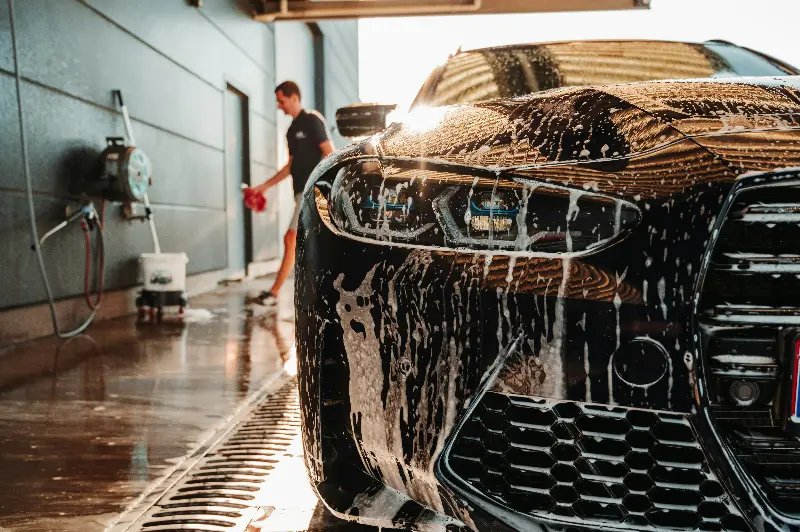
A bright, hot day might look perfect for a wash, but direct sunlight rapidly dries soap and water, causing unsightly streaks and water spots. Quick evaporation can bake minerals into your paint, making them tough to remove.
Tip: Wash your car early in the morning or in the shade. This gives you time to rinse thoroughly and dry your vehicle gently with a soft, clean microfiber towel.
Neglecting the details: overlooking what matters most
Focusing only on the exterior panels means ignoring trouble spots where damage hides.
- Wheels and undercarriages can store corrosive road salts and grime.
- Door jambs and seals, left wet, can develop mold or rust.
Regularly paying attention to these neglected zones can save your car from silent, long-term harm.
The bottom line
In the quest for cleanliness, what you do and how you do it makes all the difference. Rushing, choosing the wrong products, and using improper techniques can lead to paint swirls, faded finishes, and unseen mechanical woes. The joy of a mirror-like shine comes from both the act and the art of car care.
Before your next wash, pause and consider the impact of every step. Could your routine use a little extra care—not just for appearance, but for the longevity of your vehicle? Every gleaming car on the road tells a story; make sure yours is one of thoughtfulness, pride, and preservation. Where will your car’s story take you, now that you know the secrets behind the shine?