


If you share your home with a cat, you’re likely no stranger to the ballet of fur tufts dancing across your floors. Shedding is a natural part of any cat’s life, but when those hair tumbleweeds start to take over, you might be wondering if there’s a secret to a beautiful, manageable coat. While grooming plays its part, it’s feeding that can make the true difference. Welcome to the ultimate guide for feeding your cat right for less shedding and a gorgeous, soft coat.
Understanding The Role Of Nutrition In Shedding
Every whisker, every strand of fur, springs from your cat’s overall health. Shedding is affected by seasons, breed, and even stress, but nutrition is a cornerstone many overlook. The skin is your cat’s largest organ, and its health relies heavily on what your feline friend eats. A poor diet can lead to dry, flaky skin and a coat so dull it seems to attract every speck of dust in your home.
Cats are obligate carnivores, meaning they require nutrients only found in animal products. The right balance of protein, fat, vitamins, and minerals fuels skin cell regeneration and keeps coats supple. Inadequate or imbalanced nutrition, on the other hand, can wreak havoc, causing both excessive hair loss and itchy, uncomfortable skin.
Choosing The Optimal Protein For A Luxuriously Soft Coat
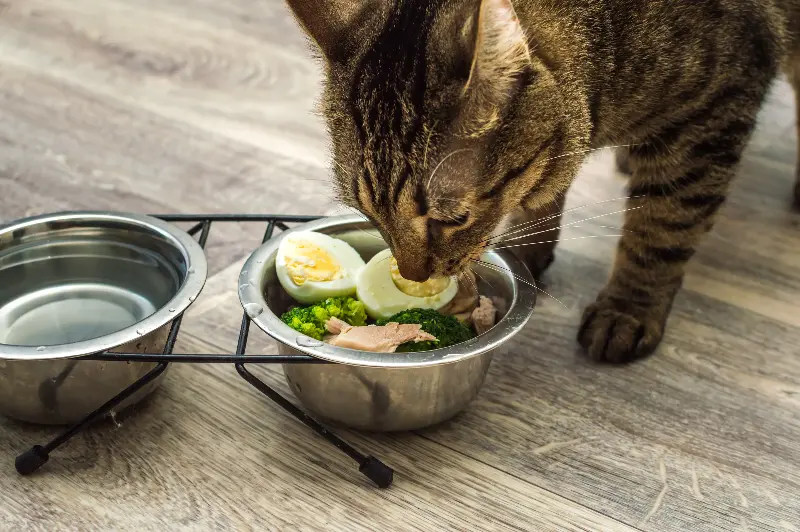
The highlight of any quality cat food is its protein content. Cats need meat to thrive, and animal protein provides the amino acids required for healthy fur growth. Look for foods that list meat, fish, or poultry as their first ingredient, and beware of vague terms like "meat by-products" or "animal digest" that hint at less nutritious parts.
Taurine, an amino acid found exclusively in animal tissue, is another non-negotiable. Cats cannot produce enough taurine themselves, and deficiency can manifest in brittle fur, skin problems, and even heart and vision issues. A diet rich in quality animal protein supports not just a glossy coat, but whole-body health.
The Magic Of Omega Fatty Acids
Ever noticed how some cats have coats that gleam in the sunlight? The secret may be in their fat intake—specifically, omega-3 and omega-6 fatty acids. These essential fats are responsible for supple skin and a glossy, hydrated coat. Omega-6 fatty acids, like linoleic acid, are plentiful in chicken fat and sunflower oil, while omega-3s, such as EPA and DHA, are found in fish oil and flaxseed.
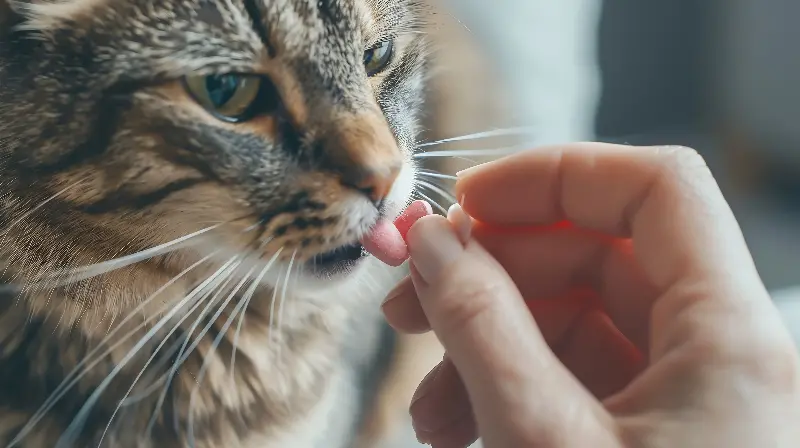
If your cat’s food doesn’t include these key fats, or if you feed a home-prepared diet, consider adding a supplement after consulting your vet. The right fatty acids not only tame shedding, but can also soothe itchy skin and reduce the risk of eczema-like flare-ups.
Vitamins, Minerals, And Other Nutrients Not To Miss
Beyond the basics, a sprinkle of vitamins and minerals completes the picture. Vitamin E serves as a powerful antioxidant to protect skin cells, zinc is a must for fur production and repair, and B vitamins help metabolise proteins for hair growth. Too little, and you’ll see frail fur that comes out in clumps.
Remember, while some owners are tempted to give human supplements, cats have unique needs. Excess of certain nutrients can be just as harmful as a deficiency. Always use products crafted for cats, and never hesitate to ask your vet before introducing supplements, no matter how natural they sound.
Hydration: The Silent Hero For Skin And Fur
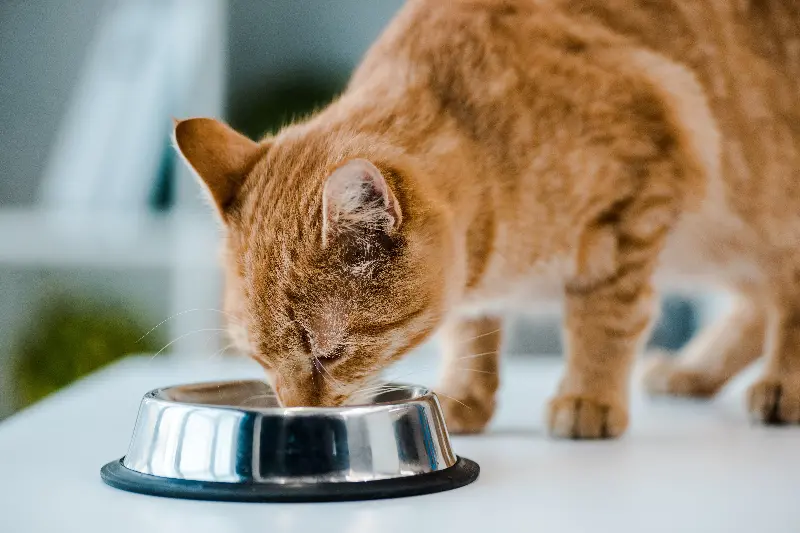
Cats aren’t famous for drinking lots of water, but hydration is a key defender against dry skin and excessive shedding. If your feline prefers to ignore their water bowl, try offering wet food alongside kibble. Wet food contains up to 80% moisture, instantly boosting your cat’s water intake and keeping their skin and coat in top condition.
For those determined to keep a little sparkle in their cat’s fur, consider investing in a cat fountain. Many cats love moving water, and staying hydrated is one of the simplest secrets to a beautiful, healthy coat.
Smart Feeding Habits For Lifelong Results
Consistency is king when it comes to feeding. Sudden changes in diet can cause digestive upset and coat problems. When introducing a new food, transition slowly over 7–10 days, mixing the new and old foods in increasing ratios.
Monitor your cat’s weight, too. Obesity can lead to skin folds and increased shedding, while underweight cats may lack the nutrients required for wound healing and fur renewal. Regular, portion-controlled meals will keep your cat’s metabolism (and coat) in balance.
The Final Touch: Combining Nutrition And Grooming
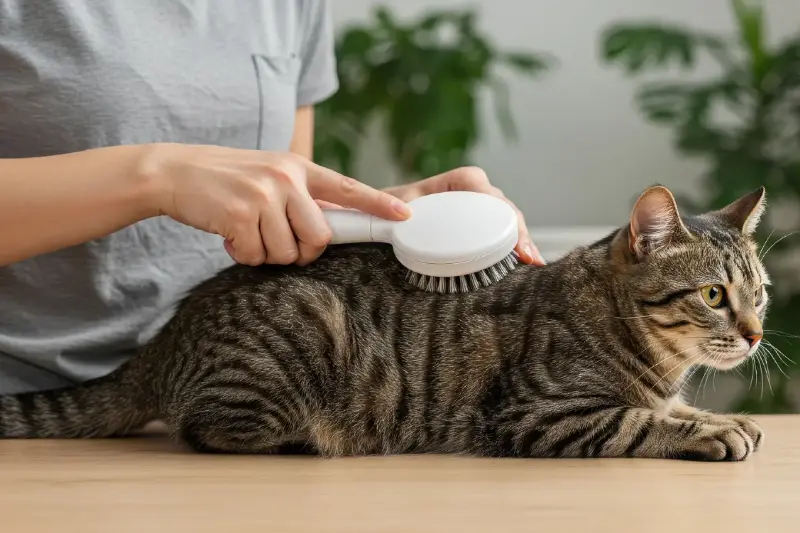
Nutrition is vital, but even the best diet needs a helping hand. Regular grooming removes loose fur and stimulates oil production, distributing natural shine throughout your cat’s coat. Opt for soft-bristled brushes that suit your cat’s coat length, and make grooming time a gentle, positive experience.
Pairing the right diet with good grooming keeps shedding to a minimum and brings out the true beauty of your cat’s fur.
Feeding your cat right goes far beyond the food bowl—it’s your first step to a home less covered in fur, and a pet who’s comfortable in their own skin. With attention to protein, fatty acids, hydration, and a loving feeding routine, your cat will not only shed less but radiate health and happiness from every whisker to every tail flick.