


Can Beavers, Wolves, and Bison Really Save Us from Floods and Wildfires? What Communities Are Learning About Rewilding’s Wild Potential
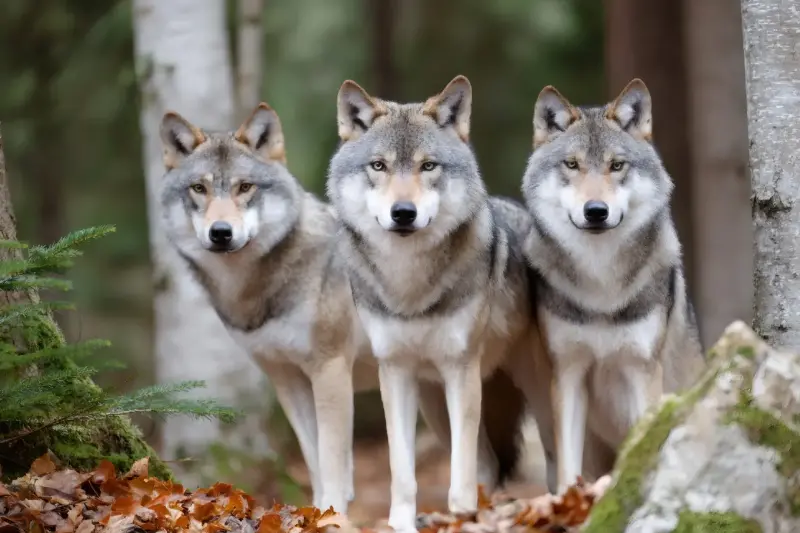
What if the answer to devastating floods and rampaging wildfires isn’t high-tech or high-cost - but wild, shaggy, and stomping around your backyard? Imagine a trio of beavers, wolves, and bison as unlikely heroes, transforming troubled landscapes into thriving, resilient ecosystems. It sounds almost mythical, but growing evidence from rewilding projects is turning science fiction into reality.
Today, you’ll step into river valleys reshaped by beaver dams, forests echoing with the calls of wolves, and grasslands rumbling under bison hooves. We’ll explore how these animals are reshaping the land, the lessons learned in communities brave enough to bring them back, and whether nature’s comeback kids really can shield us from the next climate-fueled disaster.
The Wild Comeback - Why Beavers, Wolves, and Bison?
Picture a river running muddy and fast after a storm, scouring banks and swamping fields. Now picture that same river slowed by beaver dams, water gently seeping into lush meadows rather than roaring through towns.
Beavers, wolves, and bison aren’t just charismatic megafauna. Their ancient behaviors act as nature’s engineers, water managers, and landscapers. Here’s why these three matter:
- Beavers build dams that create wetlands, store water, and slow down floods
- Wolves reshape entire food chains by controlling deer and elk overgrazing, allowing forests to regrow and soils to stabilize
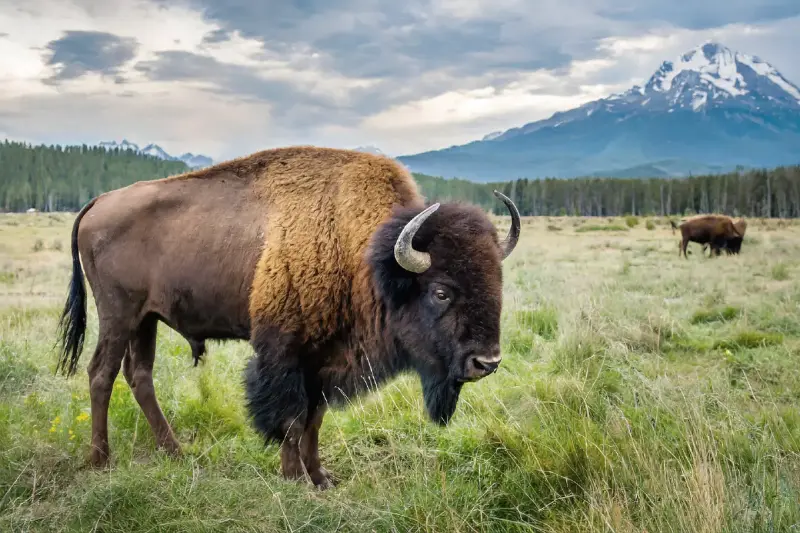
- Bison maintain open grasslands through grazing and trampling, reducing flammable vegetation and creating firebreaks
These animals once kept North American landscapes healthy, but centuries of hunting and habitat loss drove them away. Now, as climate change intensifies floods and fires, people are reimagining the wild’s role in our safety and survival.
Floods Foiled, Fires Fought - The Cases That Turned Heads
You might wonder: does rewilding actually work, or is it an eco-fantasy?
Let’s look at real places where animals are becoming unlikely guardians.
-
Devon, England: Beavers Return, Floods Recede
Flood-prone villages in Devon were skeptical when conservationists reintroduced Eurasian beavers in 2015. Fast forward a few years and satellite images show wetter, greener floodplains downstream of active beaver colonies. Farmers who once feared drowned crops are seeing richer soils and water slowly released after storms, making floods less sudden and severe. -
Yellowstone National Park: Wolves Restoring Balance
The famous reintroduction of wolves to Yellowstone in the 1990s didn’t just bring back a top predator. Elk populations fell, overbrowsed willow and aspen bounced back, and riverbanks, once eroded and lifeless, regained strength. By allowing more plants and root systems to return, these river corridors became better at absorbing floodwaters and less vulnerable to wildfire. -
Carpathian Mountains, Poland: Bison Blunting Wildfires
European bison - the continent’s largest land animal - have been reintroduced in parts of the Carpathians, trampling and munching on dense undergrowth. These giant grazers convert dry grass and brush that fuel intense wildfires into short, green lawns that act as natural firebreaks. Data shows burns are smaller and less intense in areas where bison roam freely.
Community Lessons - Successes, Setbacks, and Surprises
So why isn’t every floodplain, forest, or steppe crawling with this wild workforce? Because rewilding is as much about people as it is about animals.
Here’s what communities are learning on the front lines:
-
Expect the unexpected
Wolves may help forests, but can also prey on livestock. Beavers might save your house from floods, but may also fell your favorite apple tree. Every landscape has its quirks, and success stories require adaptation, support, and sometimes, compromise. -
Communication is everything
In places like Scotland, where free-ranging beavers started gnawing on farmers’ crops, tensions soared until wildlife groups helped negotiate compensation and erect protective fencing. When locals feel heard, solutions come faster - and more land can be opened to wild engineers. -
Wildlife tourism can be a game-changer
Places once considered backward or barren are now eco-tourist hotspots. Visitor interest in seeing wolves in Yellowstone, beavers in Devon, or bison in Poland has sparked local economies with lodges, guides, and jobs that depend on keeping the wild alive. -
Patience pays off
Ecosystems don’t heal overnight. It may be 5, 10, or even 20 years before the full effects of new wetlands, healthier forests, or fire-safe grasslands are visible. Communities that stick with rewilding through early setbacks are more likely to enjoy lasting rewards.
Why It’s Not a Silver Bullet - But Maybe the Best Tool We Have
Let’s be real: beavers alone won’t solve every flood, and wolves can’t make forests fireproof. Rewilding works best as part of a broader toolkit that includes smart land management, alert emergency services, and community preparedness.
But there’s a reason these animals have survived and shaped the land for millennia. Nature evolved its own answers to disruption and disaster long before humans rolled out sandbags or fire trucks. By learning to work with natural engineers, we don’t have to shoulder all the burden ourselves.
Ready to Rewild? What You Can Do Now
- Stay curious
Explore local parks or wild reserves and look for signs of beaver ponds, wolf trails, or wild bison. You’ll be amazed at the subtle ways landscape tells the story of its animal caretakers. - Join community projects
Many rewilding efforts depend on volunteers - planting native shrubs, monitoring animals, or helping to build coexistence strategies. - Support policy change with your voice
Land use policies are evolving to recognize the value of rewilding. Writing to your local representative or supporting conservation groups puts this issue on the map. - Imagine what could be
Start a conversation about what your neighborhood or countryside could look like if wilder animals returned. Dream big, and you might just inspire the next rewilding success story.
Let the Landscape Surprise You
Nature’s wisdom can seem wild, messy, or even dangerous - until you see beaver wetlands thriving out of what was once a barren ditch, or feel the hush of a forest growing denser with every year that wolves return.
As more communities weigh the risks and rewards, one thing is clear: when we invite these animals back, we rediscover resilience in places we’d almost lost hope for. Can beavers, wolves, and bison prevent every flood and wildfire? Not every one - but they may help us rewrite our relationship with the land, and show us survival isn’t just about control, but about trust.
Are you ready to see what happens when you welcome the wild home? The next chapter in rewilding might just be yours.