


Embarking on a culinary journey through Brazil is like exploring a vast and varied landscape, one where every dish tells a story of cultural fusion, historical influence, and an abundant array of local ingredients. The gastronomical wonders of Brazil reflect its diverse ecosystem, ranging from the Amazonian basin to the pampas of the south, and are imbued with the flavours of indigenous, African, and European heritage.
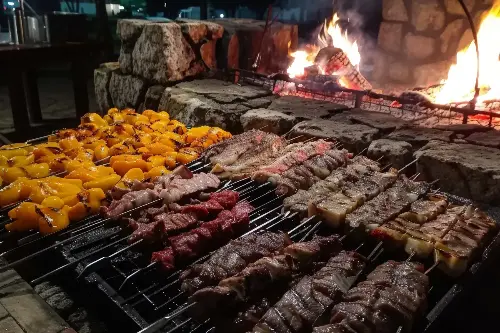
Brazilian cuisine is a symphony of flavours, colours, and textures that delight the senses. At the heart of it all is the age-old cooking technique called churrasco, the Brazilian barbecue tradition that's made its way around the world. Skewered meats are grilled to perfection over open flames, with cuts like picanha (top sirloin cap) reigning supreme on the menu. But churrasco is more than just barbecue; it's a festive gathering that brings family and friends together, often accompanied by the toasty cassava flour known as farofa and vinaigrette salsa.
Hearty stews and beans are staples in Brazilian fare, with feijoada taking centre stage as the national dish. This rich stew, often reserved for weekend indulgence, is a slow-cooked melange of black beans, pork, and an assortment of smoked meats that simmer together to create a deeply savoury experience. Scoops of white rice, tangy orange slices, and sautéed collard greens typically accompany a bowl of feijoada, creating a balanced plate that's as nutritious as it is flavorful.
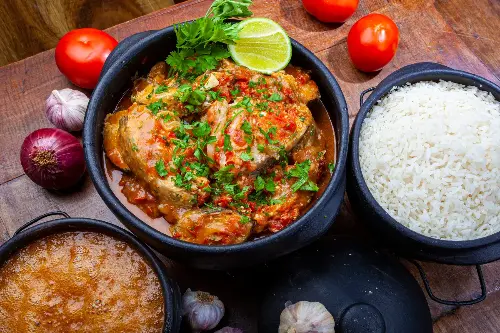
The coastal regions of Brazil tell a different gastronomic tale, one where seafood is king. Moquea, a fish stew hailing from the state of Bahia, mirrors the country's African roots through its use of palm oil, coconut milk, and a luscious blend of spices, including coriander and cayenne. This dish is a testament to the African influence on Brazilian cuisine, incorporating fresh catches of the day, like shrimp, fish, and crab, into a fragrant, golden broth served over rice or with farofa.
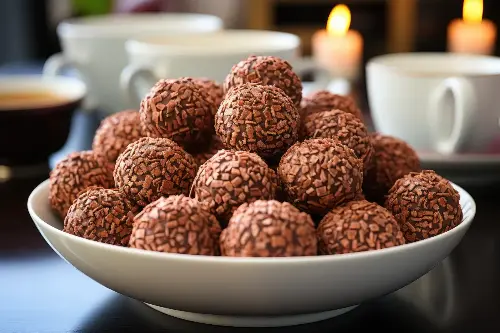
For those with a sweet tooth, Brazil's desserts are a delectable dream. Brigadeiros are bite-sized chocolate treats that are a must-try for anyone experiencing Brazilian confections. These truffle-like sweets are made from condensed milk, cocoa powder, and butter, rolled into balls and then coated in chocolate sprinkles. Another beloved dessert is the pudim, a creamy caramel flan that's as smooth as silk and just as luscious.
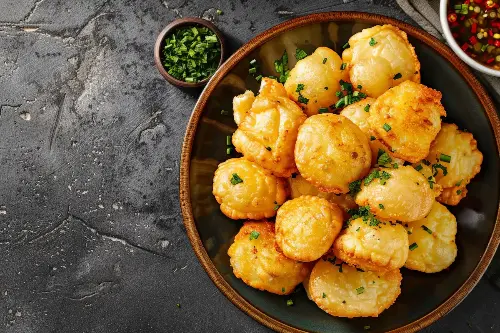
The street food scene in Brazil is as vibrant as its traditional cuisine. Vendors selling pastéis, empanada-like pastries filled with an array of savoury fillings, can be found on many city corners. Acarajé, a street food staple from Bahia, is made from black-eyed peas formed into balls and deep-fried in palm oil before being split and stuffed with vatapá (a spicy paste of shrimp, bread, cashew nuts, and other ingredients) and salad. It's a dish that's as full of flavour as it is history.
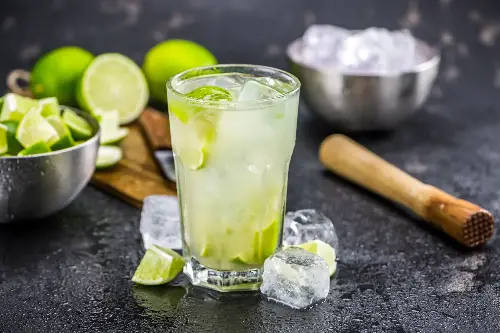
And of course, no discussion of Brazilian cuisine would be complete without mentioning the national cocktail, the caipirinha. Made with cachaça (a spirit distilled from sugarcane juice), lime, and sugar, this refreshing drink encapsulates the spirit of Brazil in a glass, offering a zesty, sweet, and potent taste of the country's love for life.
This impressive array of gastronomical offerings is tied together by the Brazilian spirit of conviviality and love of good food. From simple street snacks to elaborate stews, the cuisine of Brazil is a celebration of its land and people, a vibrant tableau of dishes that are as diverse as they are delicious.
As global palates continue to seek out new experiences, Brazilian cuisine stands out for its unique fusion of flavours and traditions, representing the heart and soul of its people. To savour a meal in Brazil is to participate in a tradition that goes back centuries, one that's constantly evolving and always enticing. Whether it's the smoky allure of churrasco, the comforting hug of a feijoada, or the exotic flavours of acarajé, Brazil on a plate is an adventure worth taking, a journey of taste that promises to captivate and satisfy with every bite.