


Every day, as we jump into our cars and set out on our daily drives, few of us pause to ponder the silent strain we’re placing on our vehicles’ braking systems. While regular wear and tear is inevitable, many routine habits are quietly accelerating that decay. Surprisingly, some of the most seemingly harmless driving behaviours could be costing you more than you realise—in both performance and wallet.
The Hidden Dangers of Heavy Feet
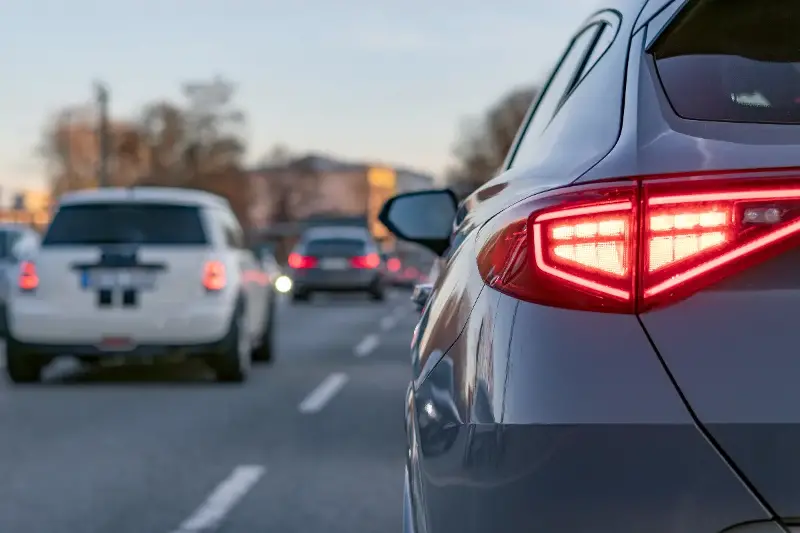
We all know that slamming on the brakes in an emergency is sometimes unavoidable, but how often do we unconsciously apply a little too much pressure during normal driving? Each hard stomp, especially at high speeds, places intense, sudden force on your brake pads and rotors. This not only wears them down faster but also generates excessive heat. Heat is the stealthy enemy of brakes, warping discs and glazing pads before you know it.
Consider these frequent heavy-foot scenarios:
- Tailgating, which leaves little room for gentle braking and necessitates harder stops
- Approaching traffic lights at speed rather than coasting to slow down gradually
- Driving in stop-and-go traffic without using engine braking or anticipation
Experts say that high temperature from repeated hard braking can cut brake component life by up to 50%—a fact many overlook until faced with a hefty repair bill.
Unexpected Culprits: Everyday Mistakes
It’s not just aggressive driving that’s hurting your brakes. Some lesser-known habits are equally damaging, including:
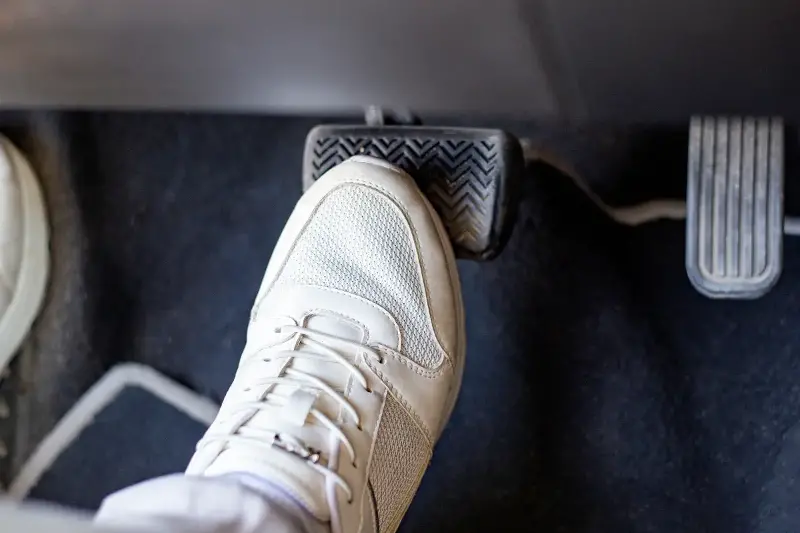
- Resting Your Foot on the Brake Pedal: Even light, ongoing pressure can slightly engage your brakes, creating friction and wear continuously.
- Ignoring Speed Bumps: Speeding over humps forces your brakes and suspension to work overtime, leading to premature wear.
- Carrying Excess Weight: Fully loaded boots, roof racks, and heavy cargo mean more effort is required to slow your car down, putting added strain on your system.
- Ignoring Warning Signs: That squeal you hear isn’t just background noise—brake manufacturers add a wear indicator precisely to alert you to impending problems.
Each of these small missteps might feel trivial in the moment, but together they accelerate the ageing of your braking system.
How Your Surroundings Shape Brake Health
Not all roads are created equal when it comes to brake longevity. Hilly or mountainous commutes demand far more of your brakes, where repeated slowing can overheat and weaken your pads. Likewise, urban environments with frequent lights and pedestrian crossings call for constant stop-start action.
Even weather plays its part: driving through puddles or flooded roads can allow water into your braking mechanism, causing corrosion. Salted roads in winter, while keeping you safe from ice, can speed up rust on exposed metal parts. If you park outside, consider the impact of rain, snow, and humidity on your system’s health.
Pro Tips: Small Changes, Big Rewards
Preserving your brake system isn’t all about expensive upgrades. Some of the best solutions are delightfully simple:
- Allow greater following distance to brake gradually.
- Learn to use your gears to slow down, sparing your brake pads.
- Lighten your car—remove unnecessary weight whenever you can.
- Pay attention to signs of trouble: squeaks, soft pedals, or warning lights deserve swift action.
Every moment of mindfulness behind the wheel isn’t just safer for you and others—it’s an investment in your car’s future.
As you navigate your roads, consider the invisible drama playing out each time you stop for a crossing or pause at a light. Are your daily driving habits helping or quietly harming? Perhaps, with a tweak or two, your brake system could last longer, work better, and keep you safer for journeys yet to come. Where will your next drive take you—and how will you tread a little lighter?