


There’s a certain magic in seeing your name written by hand on an unopened envelope. As the world continues its march towards digital communication, something unexpected has been happening: handwritten letters are making a heartfelt comeback. While instant messaging and social media remain dominant, many people – from romantic partners to long-distance friends and even business professionals – are rediscovering the deep connection afforded by pen and paper. But what’s behind this surprising trend? Let’s explore the emotional, social, and even scientific reasons why handwritten correspondence is being picked up, quite literally, once again.
The Emotional Power Of The Personal Touch
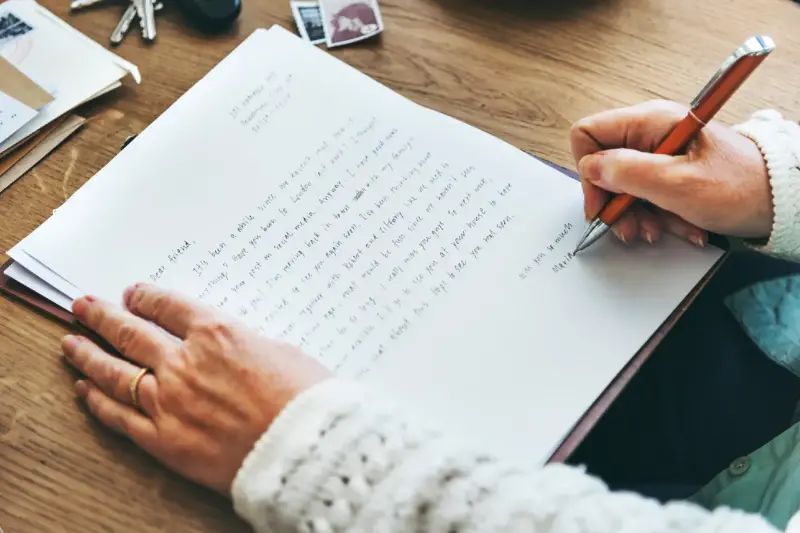
Instant messages appear and disappear in a ceaseless stream, often blending into the digital noise of everyday life. In contrast, receiving a handwritten letter feels like a deliberate act of thoughtfulness. Every curve of ink, every slight wobble in a line, speaks of the sender’s presence and effort. Research in social psychology suggests that people perceive handwritten notes as more sincere and meaningful compared to typed or texted words. The simple act of writing something by hand forces the sender to slow down, reflect, and articulate thoughts with care.
It’s not just nostalgia that makes a handwritten note so valuable. According to a study by the University of Kansas, handwritten thank-you notes increased feelings of appreciation and happiness both for the sender and receiver compared to digital messages. In moments of celebration, sympathy, or love, ink on paper can express layers of emotion that words on a screen can sometimes flatten. Letters are often kept, treasured, and reread – becoming tangible memories in a way few WhatsApp chats ever can.
A Welcome Pause From The Digital Rush
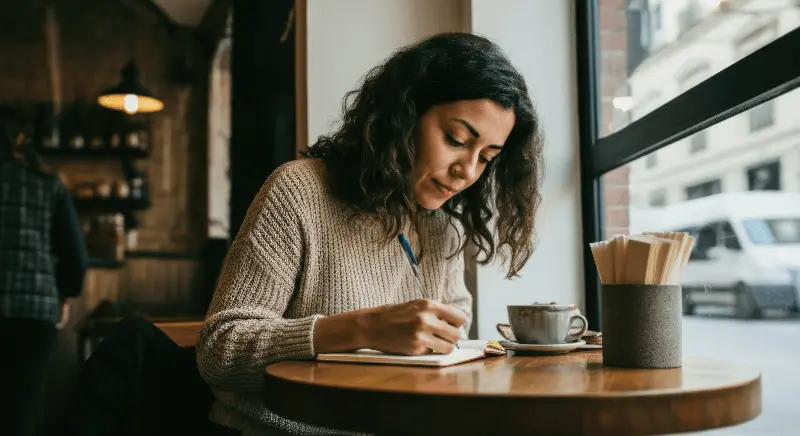
One of the more surprising benefits driving this revival is the desire to step away from the relentless pace of digital communication. For many, letter-writing offers a mindful, almost meditative experience. Grabbing your favourite pen, choosing the perfect paper, and composing your thoughts provides a calming escape from pop-up notifications and social media updates.
This slower pace also means messages are more considered, and that’s part of their charm. There’s an anticipation in waiting days, sometimes weeks, for a reply that instant messages, with their expectation of a rapid response, can never match. This sense of time invested not only deepens the bond between correspondents but also cultivates patience and appreciation — qualities often lost in today’s hurry-up culture.
Reviving Lost Arts And Beautiful Traditions
The art of letter writing is woven into the history of human civilisation, from the love letters of poets to the stoic correspondence of wartime. While digital natives may not have grown up surrounded by boxes of old letters, the recent surge in calligraphy workshops, stationery clubs, and even “pen pal” platforms demonstrates a longing for tactile creative expression.
This creative resurgence isn’t simply about escaping technology. It’s about reclaiming rituals, embracing imperfections, and finding beauty in the personal. Penmanship, decorative flourishes, and the subtleties of ink become acts of self-expression. Many enthusiasts say writing letters helps them reconnect with their own feelings, offering a kind of written mindfulness that no emoji can replicate.
Building True Connections In An Age Of Interruption
We live in a world where messages are often read on the go, half-distracted, and quickly forgotten. In contrast, the act of receiving a handwritten letter usually commands undivided attention. Opening an envelope, unfolding the paper, and reading each line word by word is a more intimate exchange. Some communication experts note that such undistracted moments of connection are increasingly rare — and increasingly valued.
Friendships have been rekindled and family bonds strengthened through this practice. Organisations supporting mental health have even encouraged people to write to loved ones to combat loneliness, citing the powerful sense of connection handwritten notes inspire. For couples separated by distance, letters can serve as a soulful bridge, offering more depth than the usual chat thread.

Handwritten Notes In The Professional World
Surprisingly, the handwritten letter is not confined to personal relationships. In professional circles, a handwritten thank-you card after a job interview or business deal stands out vividly against a background of generic email templates. Hiring managers and clients often remember candidates and colleagues who take the time to write by hand — it signals extra effort, care, and authenticity.
According to LinkedIn’s annual report on workplace trends, professionals who incorporate personal touches such as handwritten notes are perceived as more memorable and trustworthy. For entrepreneurs and freelancers, a note can be a differentiator that transforms a routine transaction into the beginning of a lasting working relationship.
The Science Behind Handwriting’s Impact
There’s also growing evidence that handwriting influences how we think and feel. Neurological studies have shown that writing by hand activates different parts of the brain than typing does, improving memory retention and emotional engagement. This may explain why people feel more connected to the contents of a letter they write or receive compared to a digital message.
Writing by hand can even help clarify thoughts, making it an excellent tool for introspection and emotional wellbeing. People who engage regularly in letter-writing report greater emotional clarity and lower stress levels, according to researchers at the University of Tokyo.
Handwritten letters, it seems, are more than just a throwback to days gone by — they’re an enduring, heartfelt art. Whether to strengthen relationships, slow down, or simply express ourselves more truly, picking up a pen is a small act with unexpectedly big rewards. In a world overloaded with messages, perhaps that’s exactly what makes them worth sending.