


Embarking on your first hiking trip is an exhilarating opportunity to explore the great outdoors, push your physical limits, and disconnect from the bustle of daily life. But to ensure that your adventure is as enjoyable and safe as possible, proper preparation is crucial. With the right equipment, knowledge, and attitude, the trails will reward you with breathtaking views, fresh air, and lasting memories.

Let's start by considering the basics: the gear. A reliable backpack is your fundamental companion—it's where you'll store all your essentials for the trip. Look for one with adjustable straps, good back support, and enough space to carry your gear without being too bulky. Pack sensibly; weight is a pivotal factor. Include a lightweight, waterproof tent if you plan on an overnight trek, along with a sleeping bag suitable for the climate.
Now, prepare for the unpredictability of nature. Even the most benign hiking trails can present challenges. Weather can change rapidly, and it's best to dress in layers. These layers enable you to adapt to varying temperatures and conditions. Include a moisture-wicking base layer, an insulating middle layer, and a waterproof outer layer. And don't underestimate the importance of a hat and gloves—even in summer, certain altitudes can be chilly.
Footwear cannot be overlooked. A good pair of hiking boots is worth the investment. They should be supportive, comfortable, and well broken-in to prevent blisters. Pair them with moisture-wicking socks to keep your feet dry. Remember, your boots are the barrier between you and challenging terrain, so choose wisely.
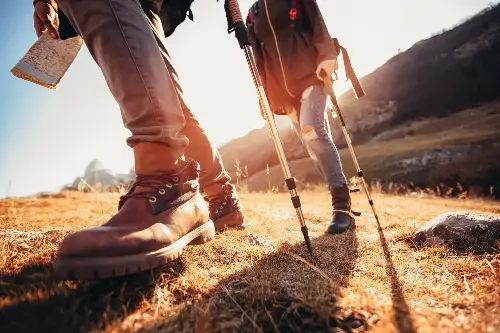
Let's talk safety. A first-aid kit is an absolute must. Include bandages, antiseptic wipes, blister treatments, pain relievers, and any personal medications. Familiarise yourself with basic first-aid practices before you go. And while we all like to think we'll stay on the path, a map and compass—or a GPS device—can be invaluable when venturing into unfamiliar territory. Luminous signposts are rare in the wilderness, so know how to navigate the old-fashioned way.
Staying hydrated and energized is vital. While you can't carry enough water for an entire trip, you can bring a reusable water bottle and purification tablets or a portable filter. For nourishment, pack high-energy, lightweight foods like nuts, dried fruits, granola bars, and jerky. These are ideal for refueling without taking up too much space or weight.
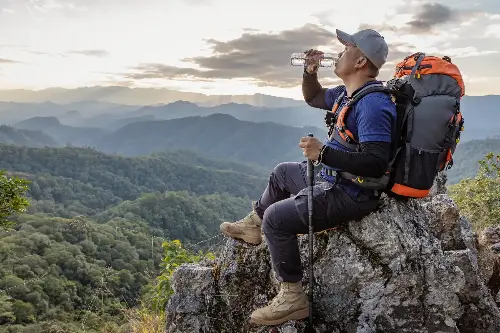
Communication can be challenging in remote areas. Inform someone about your route and estimated return time. If cellular service is unreliable where you're headed, consider renting or purchasing a satellite phone or personal locator beacon for emergencies.
Skills are just as important as gear. Can you pitch a tent? Start a fire in wet conditions? Recognize local wildlife and know what to do if you encounter it? These are skills worth having before you set foot on a trail. Many outdoor retailers and community groups offer courses on these topics, so take advantage before you go.
Respect for the environment is the unspoken code of the hiker. Stick to marked trails, leave no trace, and carry out all your rubbish. The trails are not only ours to enjoy but also the homes of countless plants and animals, and our impact should be minimal.
A successful hiking trip isn't just about reaching the summit or the endpoint; it's about the journey. Take time to breathe in the fresh air, marvel at the small wonders around you, and embrace the peace that comes with being in nature. It's these moments that will enrich your experience and leave you yearning for your next adventure.
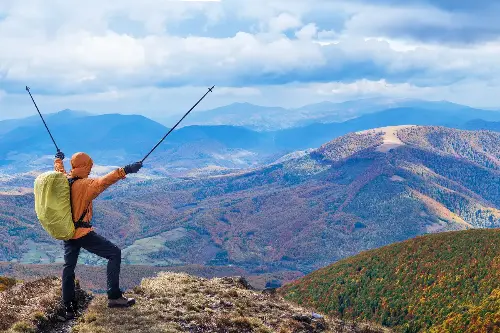
Hiking can also be a profound lesson in self-reliance and personal growth. As you navigate trails and overcome obstacles, you'll discover strengths you didn't know you had. It's a powerful reminder that, much like life, the path is not always clear or easy, but with determination and preparation, you can reach your destination.
Finally, remember that you don't have to tackle the toughest trails right away. Start with shorter, well-traveled routes and gradually work your way up to more challenging hikes. Building your confidence and capability incrementally will make for a more enjoyable and sustainable pastime.
In essence, preparing for your first hiking trip is about finding that sweet spot between spontaneity and preparation. Equip yourself with the right tools, knowledge, and mindset, and the trails will become a canvas for extraordinary experiences. Nature awaits; lace up your boots, shoulder your pack, and take that first step into a world of adventure. Whether you're traversing the rolling hills of the British countryside or the rugged peaks of the Highlands, the beauty and challenge of the hike await.