


Matcha, a fine, powdered green tea native to Japan, has experienced a meteoric rise in global popularity. Once a ceremonial beverage steeped in traditional Japanese culture, it has now found its place in the daily routines of health enthusiasts around the world. But is matcha just riding the wave of a trend, or does it truly deliver on the health benefits that aficionados claim? As we delve into the world of this green powerhouse, we uncover what lies beneath its vibrant hue and frothy texture.
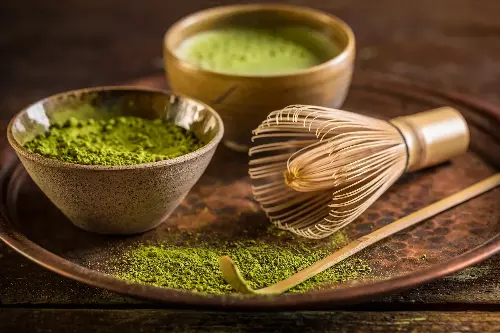
One of the fundamental reasons for matcha's acclaim is its rich concentration of antioxidants known as catechins. Catechins are a type of polyphenol that possess potent anti-inflammatory and antioxidant properties, with the star of the matcha catechin ensemble being epigallocatechin gallate (EGCG). EGCG has been the focus of much scientific scrutiny, and research suggests that it may help in the prevention of chronic diseases, including certain types of cancer and cardiovascular disease. In fact, matcha boasts a higher antioxidant content than other green teas due to its unique shade-grown cultivation process, which amplifies the presence of health-promoting compounds.
Another appealing aspect of matcha is its potential impact on cognitive function. L-theanine, an amino acid present in matcha, is known for its ability to promote relaxation without inducing drowsiness—a state often described as "alert calm." It fosters concentration and clarity of mind, and when paired with the natural caffeine content of matcha, it can lead to increased focus and sustained energy levels. This synergy between L-theanine and caffeine makes matcha an attractive alternative to the jolting rush and inevitable crash associated with coffee consumption.
Matcha may also play a role in weight management. Studies imply that the consumption of green tea, and by extension, matcha, can increase thermogenesis (the body's rate of burning calories) and fat oxidation. While this doesn't grant permission to indulge in unhealthy eating habits, it suggests that matcha could be a beneficial supplement to a balanced diet and regular exercise routine.

Furthermore, the ritual of preparing and drinking matcha might have its own meditative benefits. The whisking of the powder with hot water into a frothy tea can be a calming practice, offering a mindful moment in a hectic day. It is this blend of mental and physical wellness that makes Matcha more than just a quick caffeine fix, but a holistic experience.
Yet, it is essential to approach the matcha craze with a dose of practicality. Quality can significantly vary across different brands and grades of matcha, with the more reputable sources offering a product that is rich in the beneficial compounds mentioned above. Conversely, lower-quality matcha not only falls short in taste but may also offer diminished health benefits. Additionally, as with any natural supplement, excessive consumption can lead to negative side effects, and it is crucial to enjoy matcha in moderation.
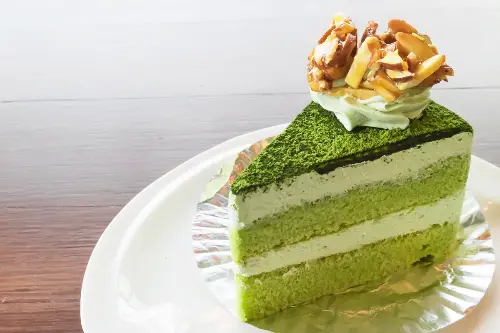
Equally important is to be aware of the way matcha is consumed. The trend of matcha-infused sugary lattes and desserts might offer the sensory pleasure of the tea's unique flavour, but pairing it with high levels of sugar and calories could counteract the health benefits one seeks from matcha.
In conclusion, matcha stands its ground as more than just a fleeting beverage trend. Its multitude of health-promoting properties, from a wealth of antioxidants to its mood-enhancing amino acids, positions matcha as a worthy addition to one's diet. Indeed, this verdant elixir has earned its place as a staple in the repertoire of anyone looking to invigorate their health routine. Whether it's through a morning cup of zen or a post-workout refresher, tapping into the power of matcha could be a small yet impactful step towards greater health and vitality. So, the next time you sip on this emerald concoction, take comfort in knowing that you're indulging in a time-honoured drink that's as beneficial as it is trendy.