


Scroll through your smartphone. Cruise along in an electric car. Even admire a drone swooping overhead—each is an everyday marvel, powered by a hidden but essential ingredient: rare earth elements. Though these metals are out of sight, they're at the heart of the technologies shaping our lives and futures.

Why “Rare” Isn’t Quite What You Think
The phrase “rare earths” is enough to make their importance sound mysterious. In reality, these 17 elements—including names like neodymium, dysprosium, and yttrium—aren't particularly scarce in Earth's crust. The catch is they seldom occur in concentrated, easily-mined deposits, making their collection and separation a complex, costly process. That’s why a handful of countries—China, in particular—dominate global supply, fuelling strategic rivalries and igniting debates about technological independence.
In many ways, rare earths turn the wheels of modern civilisation. Consider this: just a few grams of neodymium can enable the super-powered magnets that make your phone vibrate or that help electric vehicle (EV) motors spin silently and efficiently.
Smartphones: The Micro-Metals at Your Fingertips
From the speaker in your ear to the camera lens in your hand, rare earths are everywhere inside your handheld device. Here are just a few ways they contribute:
- Vibrant displays: Europium and terbium add red and green to high-definition screens.
- Crystal-clear sound: Neodymium magnets make speakers smaller and more powerful.
- Miniaturised power: Praseodymium and yttrium allow batteries to be lighter but last longer.
Without these elements, your smartphone might be heavier, bulkier, slower, and lacking those dazzling colours we often take for granted.
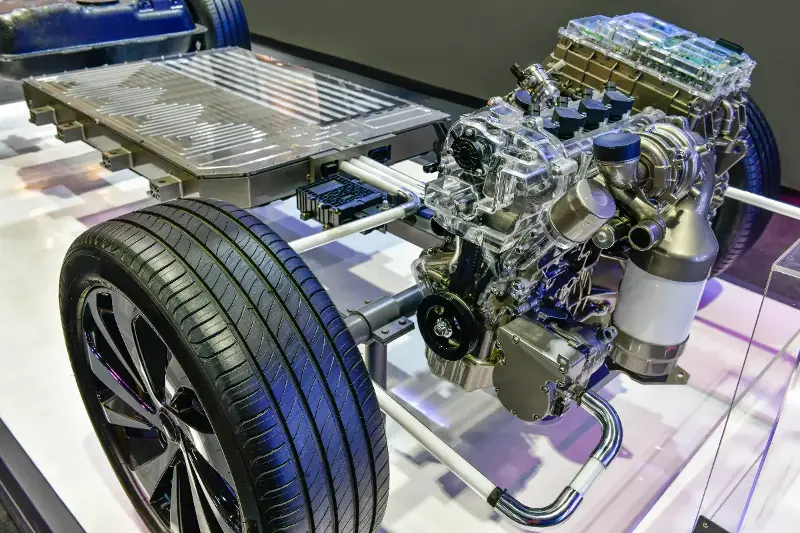
Zap! The Electric Vehicle Revolution
The race towards a greener world has given rare earths a starring role—the motors powering most EVs depend on super-strong rare earth magnets. Here’s how they drive the revolution:
- Lighter & Faster: Permanent magnet motors with rare earths are up to 50% lighter than alternatives, shaving weight and adding zip to acceleration.
- Range Boost: Higher efficiency means longer drives between charges.
- Silent Movement: The unique properties of these metals ensure a near-silent, smooth ride.
But there’s a twist. China currently refines more than 85% of the world’s rare earths, giving it considerable leverage as countries scramble to secure supply chains in a world increasingly reliant on clean energy and digital tech.
Beyond Phones and Cars: Surprising Uses on Land, Air, and Sea
Rare earths might seem niche, but their reach is sweeping—sometimes even cosmic. Next time you marvel at modern wonders, remember where the magic comes from:
- Satellites and Drones: Light, stable alloys using scandium and yttrium keep spacecraft and UAVs agile.
- Wind Turbines: Neodymium-based magnets help wind farms churn out green power far more efficiently.
- Lasers for Surgery and Data: Medical and industrial lasers contain rare earths like holmium and erbium for unparalleled precision.
- National Defence: Fighter jets, submarines, and missile guidance systems owe their agility and miniaturisation to rare earth-powered magnets and alloys.
The story of rare earths is not just about raw materials—it’s about dreams, possibilities, and global ambitions colliding in a rapidly changing world.
Sustainability, Scarcity, and the Race for Recycling
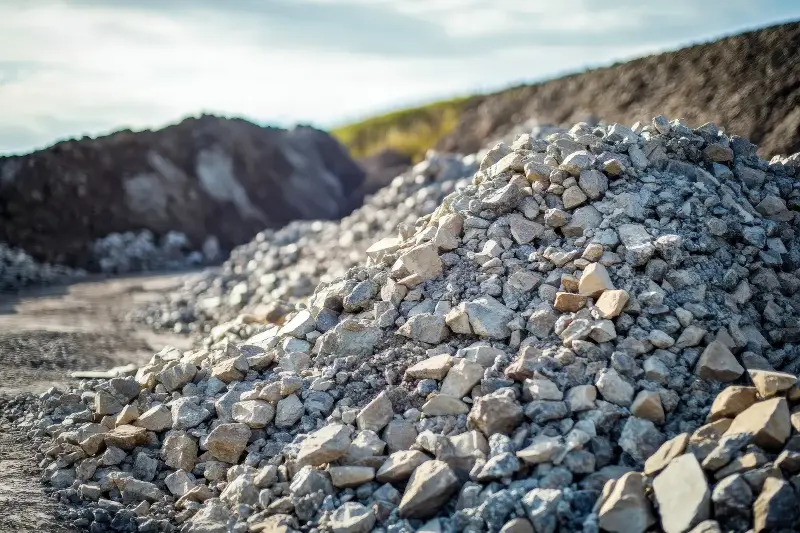
As demand for rare earths skyrockets, so do concerns about the environmental footprint of mining and refining—often involving toxic by-products and hazardous conditions. Innovators are racing to create more sustainable supply chains.
- New mines are being developed in Australia, the US, and Africa, though they face high costs and regulatory hurdles.
- Urban mining—extracting rare earths from recycled smartphones, old EV batteries, and discarded electronics—is rising in popularity but remains technically challenging.
- Research into alternatives, such as new magnetic materials, continues, though the unique properties of rare earths remain tough to match.
The journey to a tech-powered, sustainable future depends on how wisely humanity manages, recycles, and innovates with these precious elements.
So next time your smartphone pings, or you catch a whisper-quiet EV gliding past, pause for a moment. Behind each ping, hum, or silent swoop lies a global story—a saga of competition, innovation, and elemental alchemy. The future of rare earths is unwritten, balanced between our dependency on them and our search for smarter, greener solutions. Where will curiosity, ingenuity, and global ambition lead us next?