


Are healthy canteens in New Zealand a utopian dream—or could tweaks in taste and tradition make nutritious eating actually stick in our schools?
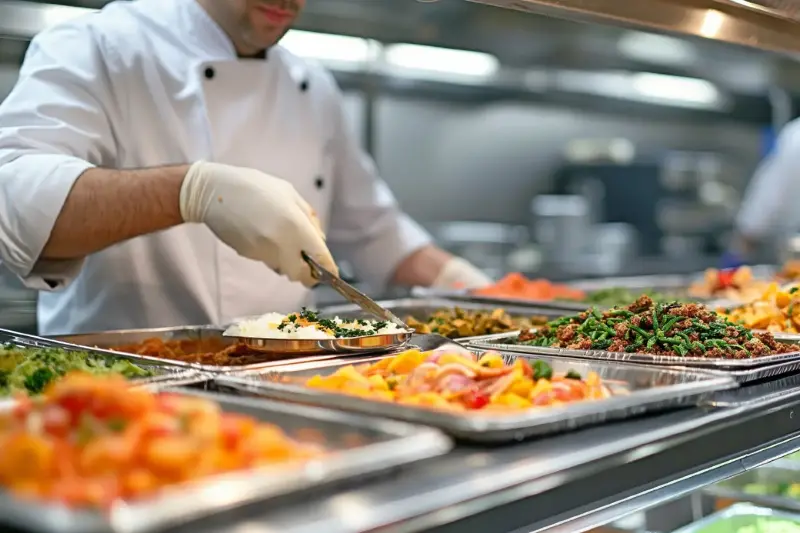
Picture this: the lunch bell sounds at a bustling Kiwi primary. Kids swarm the canteen, eyes bright and appetites sharp, clutching gold coins and debating the merits of sausage rolls versus sushi. A faint aroma of carrot sticks mingles with the irresistible scent of hot pies. Somewhere between hope and habit lies a complex question: can you fill the shelves with wholesome choices and keep everyone coming back for more?
If you’ve ever wondered why healthy canteen menus so often fizzle after their first week of fanfare, you're not alone. In this article, voi will uncover the real-life tug-of-war between kids’ cravings, vendor livelihoods, and nutritionists’ dreams—and, more importantly, discover the subtle truths and simple wins that make healthy eating habits last beyond the first enthusiastic week.
The taste test: why change often fails (and how to fix it)
Ask any canteen manager: swapping chips for carrot strips might look good on paper, but victory is not so simple. The problem? Food is emotional, and flavour is fiercely defended territory. Kids, like adults, resist sudden changes—especially when it comes to their cherished lunch break.
Key insight: “If it doesn’t taste good, it won’t sell. Full stop,” says Angela Su, chef and canteen operator in Auckland. "Our challenge is to keep real taste at the heart of health."
So what works? Su and other canteen innovators have found that:
- Gradually introducing healthier options (think: spiced kumara wedges instead of plain fries) wins more fans than overnight menu makeovers.
- Retaining familiar textures and flavours in new recipes—like breadcrumbed baked chicken over deep-fried nuggets—reduces pushback.
- Giving kids taste-testing sessions transforms them from sceptics into stakeholders, converting “gross” into “let’s try that again.”
Cost crunch: can healthy mean affordable?
For vendors, change is about survival. “Margins are tight, and healthy ingredients often cost more,” confides Raj Singh, who has run his Bay of Plenty canteen for fifteen years. Yet Singh challenges the perception that healthy equals expensive.
He shares three game-changing tips:
- Buy seasonal and local. Crunchy apples, sweet corn, or even kiwifruit drop in price and soar in flavour when locally sourced.
- Bulk up with plant-rich basics. “Beans, brown rice, and lentils fill up plates—and budgets—without breaking the bank.”
- Streamline your menu. Fewer dishes using versatile ingredients means less waste, lower costs, and fresh food every time.
Singh’s canteen found that by tweaking their purchasing habits and menu planning, they could keep prices steady and queues long.
Bold takeaway: “It’s not the price tag, it’s the planning. Healthy can be cheap—and crowd-pleasing.”
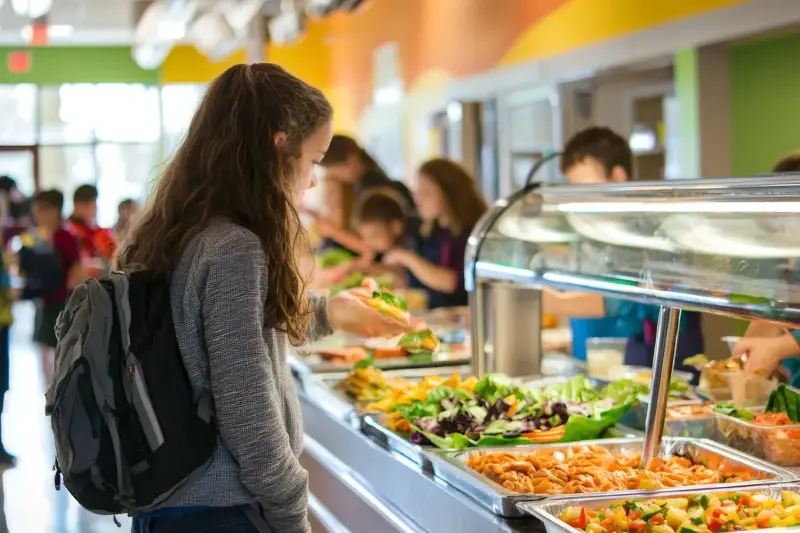
Flavour first: lessons from nutritionists in disguise
Healthy advocates often face eye-rolls and suspicion. Yet the most successful nutritionists know when to hide their identity, working side-by-side with cooks to subtly rewrite recipes. Think shredded carrot in Bolognese, or boosting umami-rich stock to make veggie stir-fry pop.
Sensory tip: “Make the food look, smell, and feel good,” advises nutritionist Emily Ruru. She encourages layering colours, mixing crunchy and creamy textures, and boosting aroma with fresh herbs.
For a menu make-over that sticks, Ruru suggests:
- Introduce swaps, not subtractions. Instead of nixing burgers, blend in chickpeas or mushrooms for an extra savoury hit.
- Embrace sauces and seasoning. Flavour comes first - and mild spices, tangy yoghurt, or even a drizzle of zesty dressing can make vegetables shine.
- Celebrate, don’t shame. Inviting kids to design “specials of the week” makes healthy choices feel like an adventure, not a chore.
The kids’ table: why engagement trumps enforcement
“Last year, we put kale chips on the menu—nobody bought them after week one,” laughs Wellington student leader Maia Tipene. The lesson? Kids are savvy and have strong opinions about what’s cool. Success, she says, lies in making kids co-designers, not rule-followers.
- Give students a vote. Simple ballots or suggestion jars empower students and spark buy-in.
- Include comfort foods - with a twist. Cheesy toasties made with added spinach, or baked wedges dusted with sweet paprika, feel familiar but sneak in benefits.
- Reward curiosity. “We run a lucky dip for anyone who tries the weekly salad; suddenly everyone’s game,” Tipene shares.
Emotional point: "When you trust us to decide, we surprise you. We actually like real food—if it's fun and we helped pick it.”
Small changes, sticky habits: why sustainability beats splashes
Research and real-world experience agree: the healthiest canteens succeed with small, steady steps. Flashy health kicks tend to wilt, but gradual shifts embed new tastes and traditions.
Nutritionist Ruru points to the power of visibility: “When fresh fruit is eye-catching at the till, it outsells chocolate bars, even with teens. Placement is strategy.” Frequent, gentle promotion - posters, menu highlights, and taste days - keep the message positive without fatigue.
School community is key, too. When teachers model healthy snacks, and parents hear about “today’s veggie hero” at dinner, a ripple effect takes root.
- Celebrate little wins.
- Stick to clear, achievable targets (one healthier item a week).
- Build habits, not hype.
Memorable lesson: “Lasting change comes from culture, not just policy. Taste, curiosity, and conversation matter as much as nutrients.”
Beyond the canteen: what New Zealand schools teach the world
New Zealand schools are quietly becoming pioneers in nutrition, weaving local produce, student voices, and cultural pride into their lunchtime rituals. The Māori concept of manaakitanga - caring for others - finds new life at the lunch table, inspiring recipes that blend health with heritage.
Championing flaxseed bread or kūmara pie over imported snacks is not just about vitamins. It’s about identity, community, and the warm joy of eating together. Food, after all, is memory and belonging.
Your take-home bite: curiosity, not commandments, is the secret ingredient
The next time voi see a freshly minted healthy menu board, remember: breakthroughs don’t come from rules alone. Taste is king, kids are sharp-eyed, and small changes—layered with trust, flavour, and fun—really can transform habits.
Perhaps the big question isn’t “should canteens go healthy?” but “what if we all joined the experiment?”
So, as you unwrap your own lunch or design your family’s next meal plan, ask: What’s one small, delicious swap that could spark a new habit? Maybe the real revolution starts at your table.