


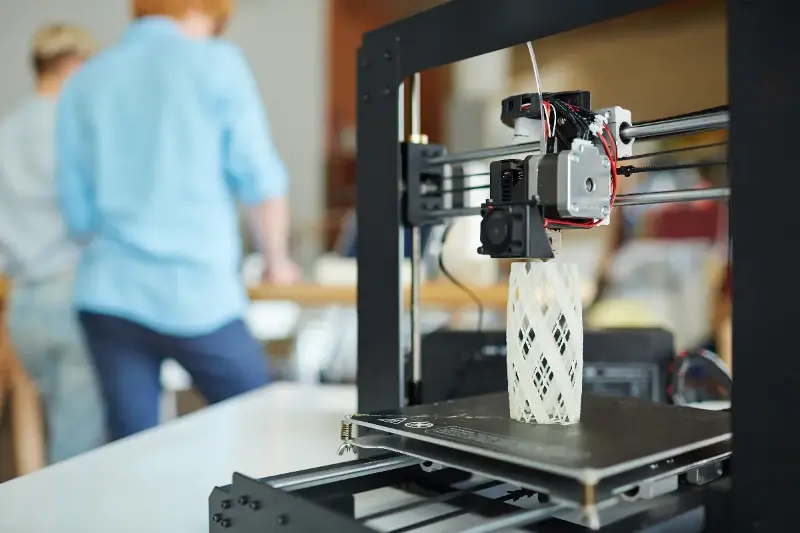
From Lab to Life: How 3D Printers Are Quietly Remaking Medicine and Manufacturing
What if the next life-saving organ or the car you drive was not built the traditional way, but instead... printed? Not on paper, but in three dimensions, layer by miraculous layer. The rise of 3D printing isn’t just an innovation; it’s a revolution unfolding in quiet bursts across hospitals, factories, and even homes.
Imagine this: a surgeon in Zurich prints a personalized bone implant before that day’s surgery. An engineer in Singapore creates ultra-light parts for energy-efficient cars. Even children in London design and hold their own toys, dream made tangible in bright plastic. In this journey with voi, you’ll discover how 3D printers are quietly but boldly transforming industries, lives, and perhaps, your tomorrow.
Why 3D Printing Is More Than a Tech Trend
Forget the clunky prototypes. Today, 3D printing - or additive manufacturing - is merging precision, versatility, and imagination in ways conventional production methods never could.
- here’s what makes 3D printing truly different:
- freedom to create objects with shapes impossible to mold or carve
- shorter, more adaptable supply chains (goodbye, long overseas waits)
- personalized production, one item at a time or thousands in hours
- minimal waste compared to subtractive manufacturing
Key insight: 3D printing isn’t just faster. It’s reshaping what’s possible, making production more nimble, sustainable, and personal.
How 3D Printing Is Saving Lives and Limbs
Let’s start in the operating theatre. In hospitals from Dublin to Berlin, surgeons now rehearse complex procedures on realistic 3D-printed organ models, tailored to each patient’s anatomy. Imagine feeling the contours, seeing fine details that scans can miss.
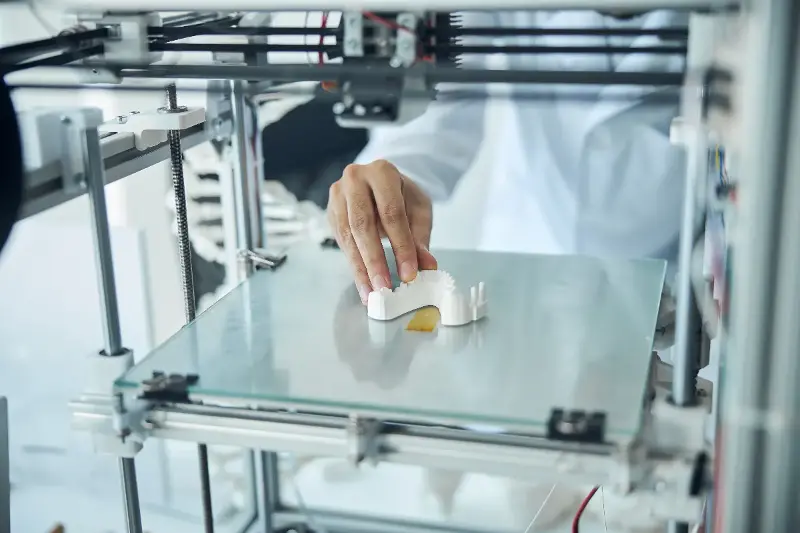
Even more striking is the rise of bioprinting - printing living tissues cell by cell, with the hope of building entire organs in the future. Today, doctors can already print skin for burn victims, bones that perfectly fit a shattered jaw, and even tiny, functioning tissue for research.
Bold takeaway: personalized medicine is no longer an abstract dream. 3D printing delivers custom prosthetics for children in Poland, flexible hearing aids in Belgium, and intricate dental aligners in Switzerland - all crafted faster, more comfortably, and often more affordably.
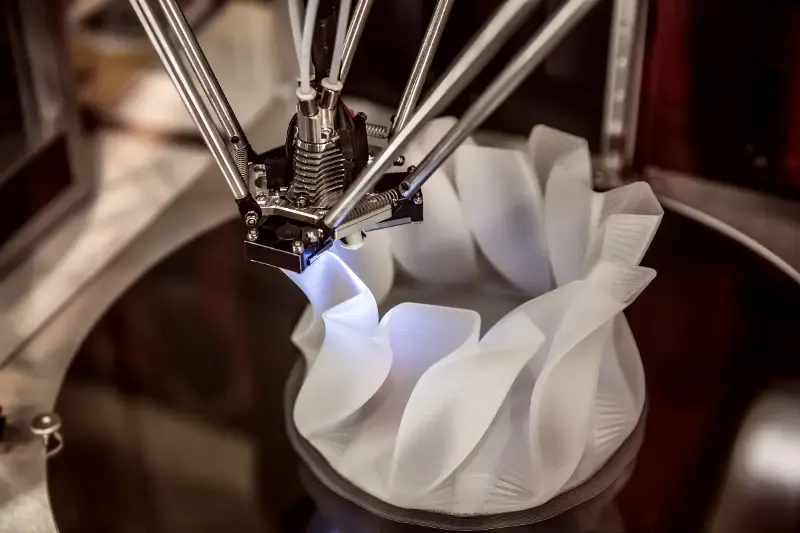
Manufacturing: From Car Parts to Custom Sneakers
Step into a modern factory in Singapore or Stuttgart and you’ll witness machines humming with the quiet purpose of precision. 3D printers are not replacing traditional assembly lines; they are upgrading them.
Consider these vivid examples:
- Aerospace engineers print titanium airplane parts that are stronger yet lighter, saving fuel and costs.
- Shoe companies in the UK offer custom footbeds printed for perfect support and style, unique to each customer.
- Eco-conscious designers in New Zealand recycle plastic waste, printing it into elegant furniture or prototypes.
The impact? Lower emissions, more on-demand production, and objects tailored to you, not the masses.
Highlight: the shift to local, just-in-time manufacturing means businesses can innovate faster and respond to customer needs in real time, while reducing environmental footprints.
What About Home? The Magic on Your Desktop
It’s not just labs and factories. 3D printers are now gracing home offices, schools, and maker spaces. Imagine the thrill of watching a design emerge, the smell of warmed filament in the air, the quiet whirr promising new possibilities.
Think about:
- parents in Warsaw printing educational toys as their children watch
- small businesses in Luxembourg prototyping gadgets without expensive tooling
- artists in Manchester turning sketches into tactile sculptures overnight
Catchy point: the power to invent, fix, and personalize no longer belongs only to engineers or tech giants. 3D printing hands creative freedom to voi - in the living room, the classroom, the local studio.
Challenges: The Road Isn’t Always Smooth
Of course, every revolution faces bumps. Materials for bioprinting remain costly. Questions about quality control, intellectual property, and safety are still being answered. Not everything can - or should - be 3D printed.
But as technology advances and talented minds continue to push boundaries, the pace of change is only accelerating.
Peering Ahead: What Will You Print Tomorrow?
Standing on the edge of this frontier, one truth shines: 3D printers are not merely tools for industry, but gateways to a world where creation is more immediate, personal, and sustainable. The line between imagination and reality blurs.
Will the next breakthrough medical implant, your dream sneaker, or even your home be printed just for you? As you let that question linger, the promise of 3D printing begins to feel less like science fiction and more like a new chapter, waiting for voi to turn the page. Where will this technology take us next?