


Empires Built on a Pinch of Saffron
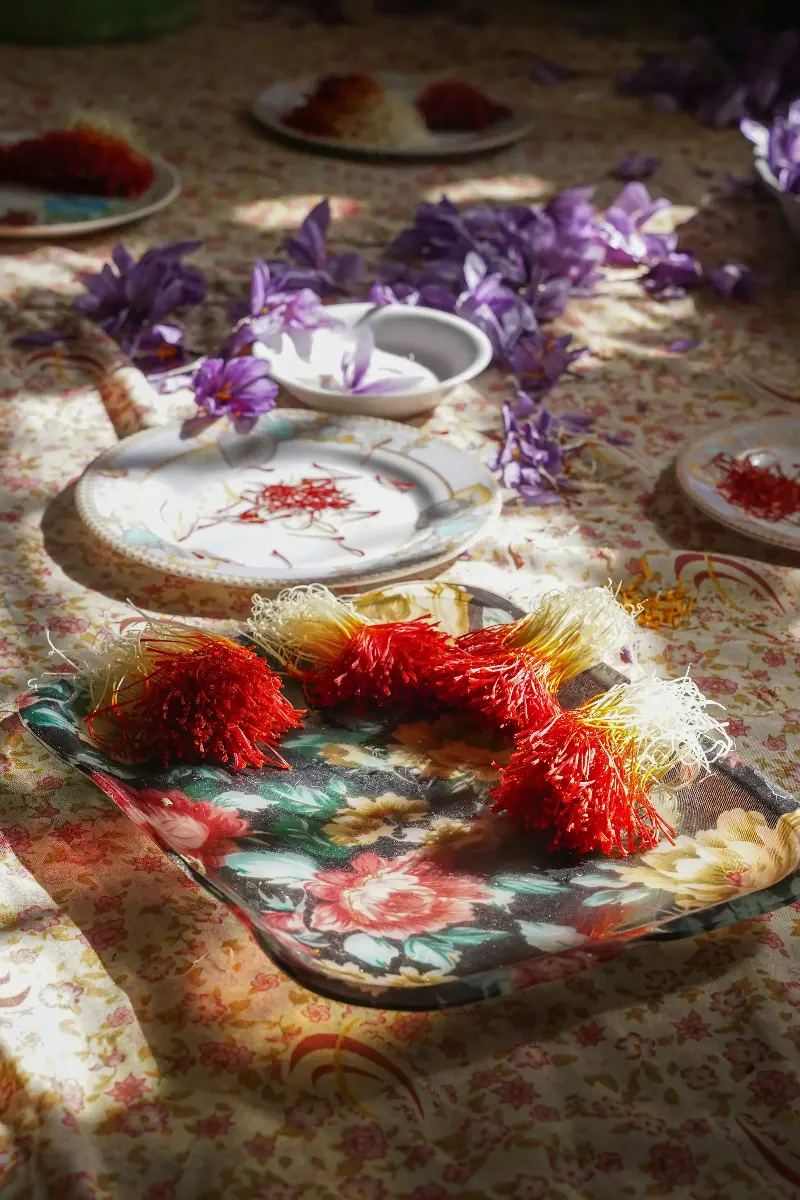
Imagine a world map shaded not by political borders but by the routes of spice traders. Long before today’s globalised marketplace, the quest for saffron, the “red gold” of the ancient worlds, drew empires into complex webs of trade and power. The rare, delicate stigmas of the Crocus sativus flower became worth more than their weight in gold, prized for their hue, flavour, and medicinal properties.
Saffron’s influence shaped not only cuisine but also culture and conflict. The Persians used it in royal rituals; the Romans paid fortunes for it as a perfume, aphrodisiac, and seasoning. In medieval Europe, “saffron wars” erupted—German towns even built walls to protect saffron stores from theft and sabotage. Such was the magnetic pull of this tiny thread that its story reads more like treasure than a common ingredient.
The Cinnamon Secret: Sweet, Spicy, and Strategic
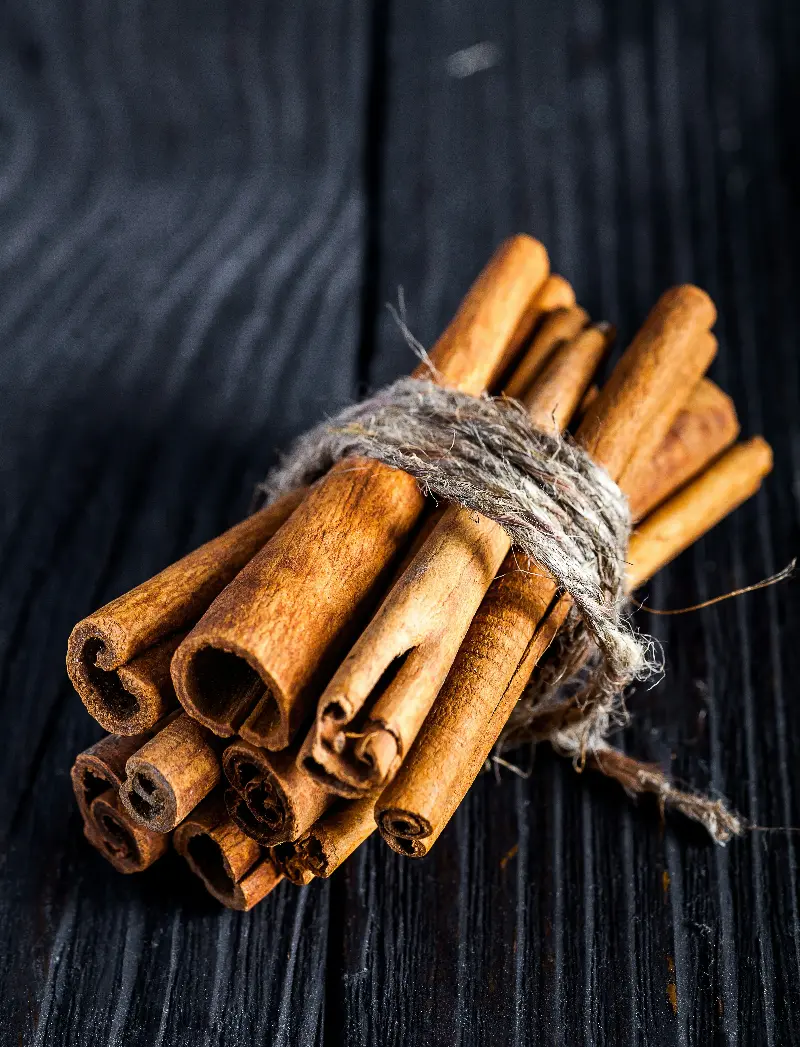
Cinnamon’s warm, sweet aroma is familiar in modern kitchens. Yet, in centuries past, its origins were cloaked in mystery and myth. Rumoured in antiquity to grow in the nests of giant birds or guarded by venomous snakes in distant Ceylon (Sri Lanka), cinnamon held a powerful allure for rulers and traders alike.
European empires, hungry for direct access, launched daring voyages that changed world history. The Portuguese and Dutch wrestled for control of cinnamon-producing regions, enriching themselves while redrawing colonial boundaries. The legacy lingers: that speck of cinnamon in your morning oats was once the spark for journeys that reshaped continents.
Why was cinnamon coveted?
- Used in Egyptian embalming and ancient rituals
- Employed as a medicine and a symbol of wealth
- An essential in spice blends that defined the world’s most famous dishes
Pepper: The Black Gold That Launched a Thousand Ships
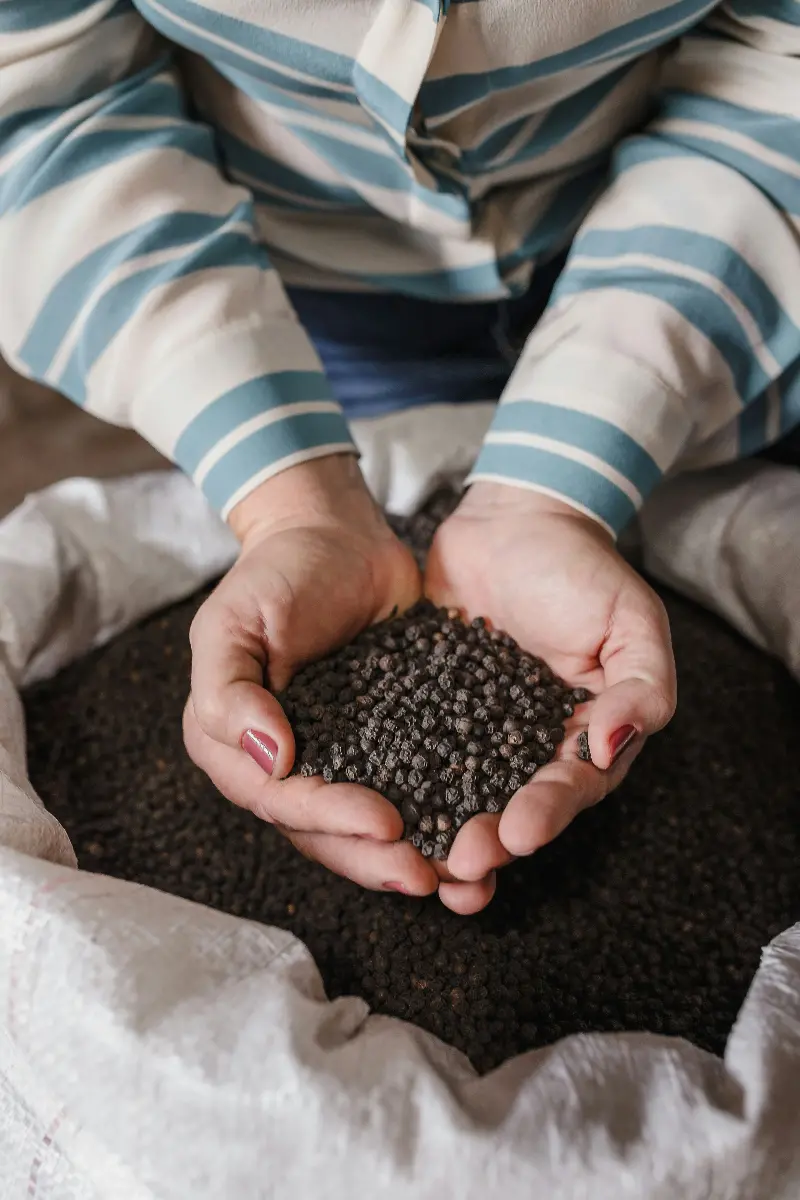
If saffron was treasure and cinnamon was myth, pepper was pure currency. Black peppercorns—once known as “black gold”—bankrolled Venice, propelled the Age of Discovery, and inspired tales of far-flung adventure.
Consider this:
- The fall of Constantinople in 1453 blocked the overland spice route, inciting European explorers to seek new passages to India.
- The Portuguese Vasco da Gama’s successful route around Africa owed its prize to pepper—the shipment earned profits of up to sixty times its investment on return to Europe.
- Trading cities from Malabar to Malacca flourished and fell according to pepper’s price, with fortunes riding on each season’s yield.
Pepper built bridges between cultures, cuisines, and continents, and today sits humbly on nearly every dining table. It’s hard to imagine now, but these spicy black beads once held the fate of kings and conquerors.
How Spices Spice Up Our Everyday Lives
The echoes of these ancient struggles and alliances resound every time we reach for these spices. Saffron lends an earthy, floral depth to Spanish paella and Persian rice. Cinnamon perfumes everything from curries to pastries, while black pepper provides a fiery finish to savoury recipes worldwide.
Modern cooks are heirs to an epic story:
- Spices that once required secret handshakes and perilous journeys to obtain now live in humble kitchen jars
- The rich flavours we savour daily were once reserved for kings and merchants
- Each pinch is a relic of ambition, ingenuity, and the ceaseless desire to connect distant worlds
For all our convenience, the journey of these spices remains woven into the fabric of global culture—enriching palates and linking people through shared taste and history.
In the end, the simplest sprinkle of saffron, cinnamon, or pepper is an invitation to explore—not just the world’s cuisines, but also the exhilarating tapestry of human curiosity and desire. Who knew a kitchen could hold such stories? What other everyday ingredients carry secret histories waiting to be discovered?