


Are GLP-1 Weight Loss Injections All Hype or Real Help? Doctors Break Down the Truth
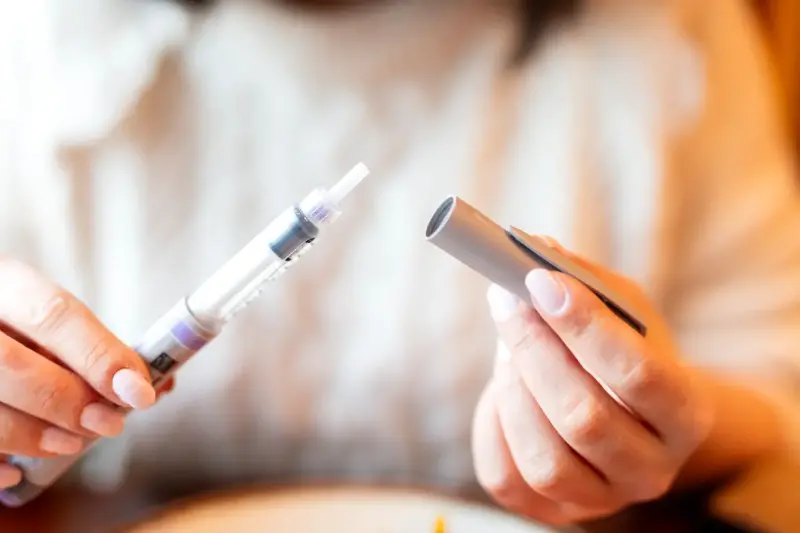
Imagine reshaping your body with just a small weekly jab - no crash diets, no wild gym routines. Tempting, isn’t it? With social media buzzing and pharmacies in Auckland reporting waitlists for popular brands, GLP-1 weight loss injections like Ozempic and Wegovy have exploded into public consciousness. But behind those sleek transformation reels, what really happens when the promise of fast weight loss dances with medical reality?
step into the world where science, hope, and healthy skepticism meet. If voi have ever wondered whether these new weight loss jabs are worth the buzz, what side effects could turn promise into peril, and who might end up with more than they bargained for, you’ve come to the right place. In the next few minutes, voi will unravel expert perspectives, practical tips, and raw, lived experiences - all designed to help voi make up your own mind.
The GLP-1 Revolution: Magic Bullet or Modern Myth?
Spare a thought for your biology. GLP-1 (glucagon-like peptide-1) is a naturally occurring hormone released in your gut when voi eat. Its job? Tell your brain you’re full, slow how quickly your stomach empties, and nudge your blood sugar levels into a gentle dance.
Medications like Ozempic and Wegovy are synthetic cousins of this hormone, designed to replicate its actions on a supercharged level. Originally developed for type 2 diabetes, doctors soon noticed an intriguing side effect: patients donated kilos to the ether, often losing 10 percent or more of their body weight. Cue the global gold rush.
But Is It Worth It? Trust the Research, Not the TikTok
When researchers put GLP-1 injections under the microscope, the results are impressive. In major clinical trials, most patients lost between 5-15% of their body weight over about a year - a figure that can transform health risks, self-esteem, and even relationships.
But let’s silence the highlight reel for a moment:
- Weight loss is typically gradual, not instant gratification
- Plateaus happen - the scale stalls for weeks or months before shifting again
- Not everyone responds equally; genes, hormones, and lifestyle all have a say
dr. Grace Tuakiri, an endocrinologist from Wellington, gently warns, “GLP-1s are best seen as a tool in a larger toolkit - not a silver bullet. Diet, mindset, and movement all matter enormously, even with these medications.”
Side Effects: The Invisible Price Tag
No medicine is sugar and sunshine. GLP-1s dampen appetite by acting on the brain’s satiety center and digestive tract, but this can bring shadowy companions.
Common side effects include:
- Nausea that can sneak up after meals
- Vomiting or reflux, especially if you eat too much too quickly
- Constipation, feeling uncomfortably full, or, less often, diarrhoea
Rare but serious risks? Inflammation of the pancreas, gallbladder issues, and potential thyroid problems. Always discuss new symptoms with your doctor, especially if pain, fever, or jaundice appear.
Nutrition Tweaks: Outsmarting the Nausea, Fueling the Loss
Food, for many Kiwis, is a celebration. On GLP-1s, it can be a minefield. Here’s how those who thrive make it work for their lifestyles:
- Savor small meals: just two fingers’ worth at a time, favoring softly cooked, high-protein options like poached fish, eggs, or creamy Greek yogurt
- Sip, don’t gulp: hydrate steadily through the day rather than downing large drinks at once
- Keep carbs simple: whole grains, cooked vegetables, low-glycemic fruit like berries
- Beware alcohol: can intensify side effects and raise blood sugar unpredictably
dr. Pita Ngarimu, an Auckland GP with a focus on Māori health, suggests, “Honour your cultural food traditions but adapt portions. Make each bite count for nutrition and pleasure, not just fullness.”

Can Exercise Supercharge the Results? Absolutely
GLP-1s reduce what your body burns by making you eat less - but less food can mean less muscle, too, especially if you’re over 40. Smart exercisers don’t trust the needle alone.
- Strength training guards muscle: think bodyweight squats, resistance bands, even gentle pilates
- Walking after meals sharpens blood sugar control and boosts mood
- Mixing in social sports like touch rugby or group hikes keeps motivation alive and prevents loneliness
Even a brisk 20-minute walk in the Canterbury drizzle can reignite your endorphins and tame the stress hormone, cortisol, that clings to belly fat.
Long-term Costs: The Price Tag No One Tells You About
Let’s talk dollars and sense. These medications are not cheap. Weekly shots of semaglutide (the main ingredient in many GLP-1s) cost up to $600 per month if not subsidised, with little to no funding currently available for non-diabetic Kiwi adults.
Add in pharmacy visits, potential doctors’ monitoring, nutritional consults, and the cost can run over $7,000 per year. This can outstrip gym memberships, nutritionist plans, or even some private surgery options.
Worse, stopping the injections means appetite usually snaps back. Studies suggest regaining two-thirds or more of lost weight within a year of withdrawal unless lifestyle changes are locked in. Are voi emotionally and financially prepared for that rewind?
Who Should Absolutely Skip the Hype?
GLP-1s are not suitable for everyone. If voi tick any of these boxes, talk seriously with your GP before considering them:
- Pregnant or breastfeeding
- History of pancreatitis, thyroid cancer, or severe gastrointestinal disease
- Under 18 or over 75 (evidence is thinner here)
- Eating disorders or frail health already
Ultimately, no medication is a substitute for self-love or for addressing the roots of unhealthy eating - stress, trauma, boredom, or loneliness.
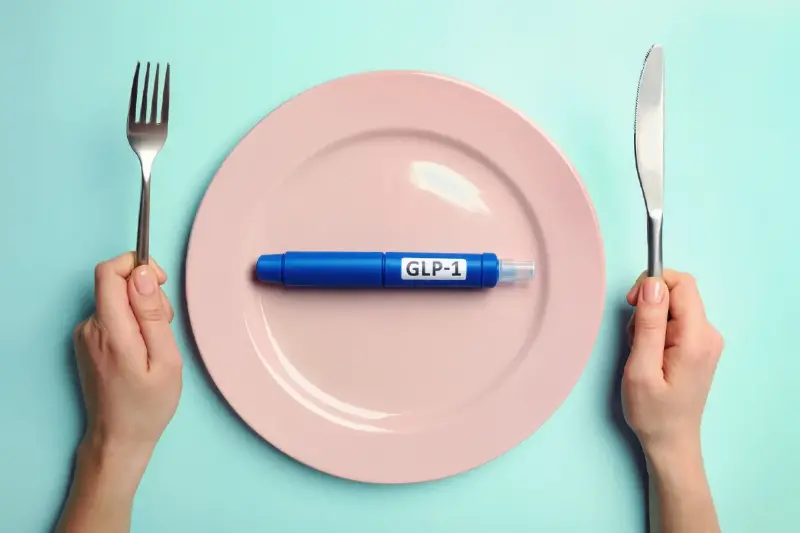
Key Takeaways: Is It Worth It for You?
- GLP-1 injections can spark real, safe weight loss, but require dietary and emotional commitment
- Side effects are common, potentially uncomfortable, and require vigilance
- Cost is substantial and unlikely to be covered by standard health insurance or PHARMAC for most
- Combining targeted exercise and thoughtful nutrition gives the best shot at lasting results
Where Does Your Journey Begin?
We live in a remarkable era, where a small injection can jumpstart hope and health for the right person. But like hiking the Routeburn in fog, knowing the risks and preparing with the right gear - diet, exercise, medical support - is essential.
What comes next is personal. Maybe these injections fit your journey, or maybe this is a spark to revisit the foundations: nourishing foods, joyful movement, gentle self-compassion.
Because, in the end, the most powerful transformation is not what changes on the scale, but in how voi feel in your own skin. Will voi chase the jab, or will voi write your own health story? Either way, make it yours.