


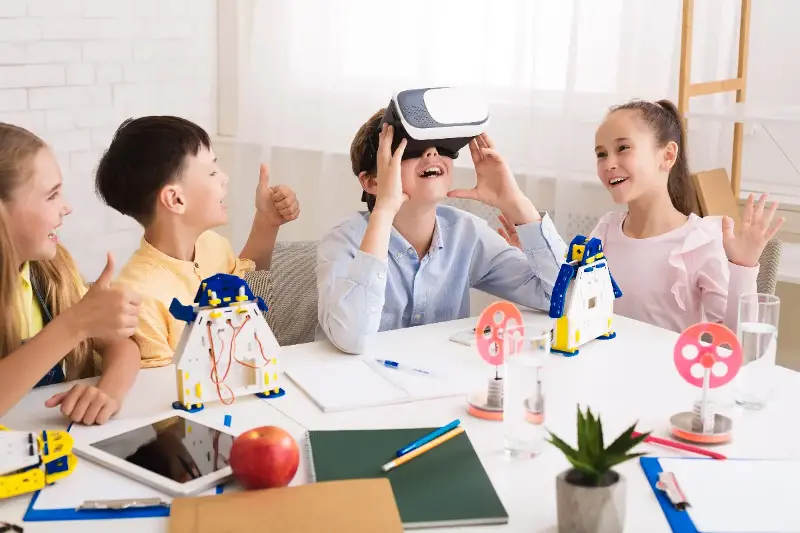
Virtual Reality in the Classroom: Is This the Dawn of a New Learning Era?
Picture this: you slip on a lightweight headset, and in a blink, you’re strolling through ancient Rome, walking the bustling marble streets as history comes alive around you. Across the world, a future neurosurgeon practices delicate brain surgery on a remarkably lifelike 3D model, nerves tingling with the thrill of hands-on mastery. No, this isn’t science fiction. Welcome to the world where virtual reality (VR) is transforming education and career training, giving voi (yes, you) a front-row seat to a revolution in how we learn, work, and imagine our futures.
Pull up a chair and get ready to step into a landscape where lectures turn into journeys, careers start with immersive training, and borders between imagination and experience blur. Here’s what voi need to know about why VR may just become the most important tool in every learner’s and worker’s toolkit.
Rewriting the Rules of Engagement
For centuries, education has been about textbooks, lectures, and, let’s be honest, quite a bit of staring at clocks. VR is flipping this formula on its head.
- With VR, learning is no longer passive but deeply participatory.
- Instead of reading about volcanoes, students can stand at the edge of one, feeling the rumble, hearing the lava hiss.
- Medical trainees go beyond theory, practicing procedures hundreds of times in simulated environments, all risk-free.
Experiential learning supercharges memory, understanding, and even motivation. When voi interact with new knowledge, it sticks. Imagine reliving the excitement of your first successful experiment, or the relief as you finally “get” that tricky maths problem, but all within a world crafted for clarity and excitement.
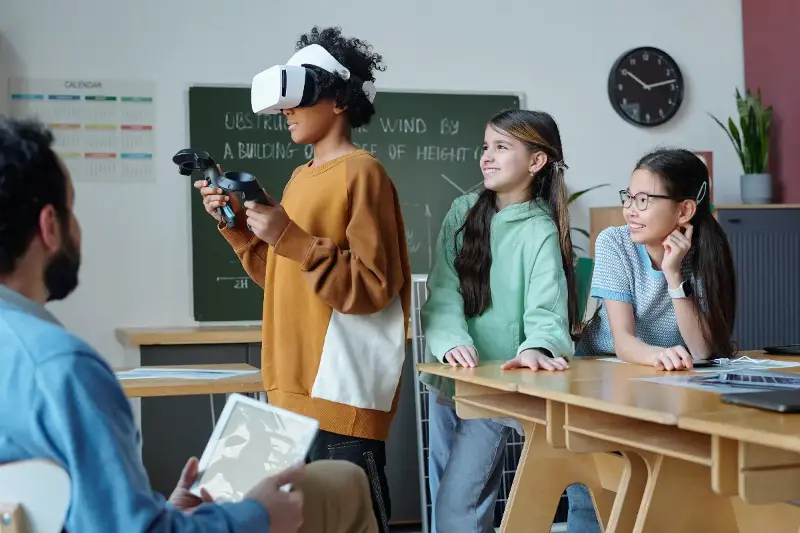
From Rocket Science to Retail: Who Is Benefiting?
The magic of VR isn’t limited to a single field. Its ripples stretch across classrooms, labs, and boardrooms.
- STEM education: Students can manipulate molecules, conduct experiments, or explore the human circulatory system from within.
- Arts and culture: Take a moonlit virtual stroll through the Louvre, or paint alongside Van Gogh, seeing brushstrokes up close.
- Vocational training: Mechanics, chefs, and architects all hone their craft in virtual workshops, where mistakes are just another step toward mastery.
- Corporate learning: From refining leadership skills to practicing customer service, companies use VR to bridge knowledge gaps and boost confidence.
The biggest winners? Those who crave hands-on learning and seek a safe space to fail, try again, and grow.
Global Reach, Personal Impact
One of VR’s boldest promises is access. It doesn’t matter if voi are in rural Poland or bustling Singapore - as long as you have the headset, the world’s best worlds are within reach.
- Eliminating boundaries: Suddenly, distance and resources are no longer what holds a dreamer back. With each click, a student in Ukraine joins a NASA mission, or a future chef in New Zealand perfects her soufflé in a Parisian kitchen.
- Inclusivity: VR often provides tools for those with special needs, offering customisable experiences that adapt to every learner.
Personalisation is at the heart of this transformation. Lessons adapt to the learner’s pace, style, and curiosity. For boys and girls, trainees of every age, each journey feels handmade.
The Senses Come Alive: Learning You Can Feel
What sets VR apart is its ability to appeal, quite literally, to voi senses.
- Sight: Vivid colors, stunning landscapes, intricate details leap off every virtual scene.
- Sound: Listen to the gentle cascade of numbers in data visualization, or the hum of a bustling international marketplace.
- Touch (almost): With haptic feedback, every pulse, nudge, and vibration makes learning more real.
This is the spark that turns learning from chore into adventure. No dusty chalkboards - just you, fully present, senses engaged, mind racing with possibilities.
Can Anything Hold Back the VR Revolution?
Of course, even the brightest technologies have shadows. Cost can be a barrier, especially for developing communities, and the need for robust internet remains a hurdle. But as prices drop and VR becomes more accessible, the opportunity gap is shrinking fast.
A bigger concern? Balancing screen time, ensuring real human interaction is still part of the journey, and helping educators and trainers adapt seamlessly to new tools. Thoughtful adoption will be key to making this revolution sustainable, healthy, and truly inclusive.
What Does Tomorrow Look Like for Voi?
Right now, VR is giving learning and work a sensory, emotional dimension that defies tradition. It’s possible the next generation of doctors, engineers, and artists will owe their spark to a breathless moment lived in virtual space. Wouldn’t voi want to discover which hidden talents you could unlock if you had a playground tailored precisely for your growth?
As the lines between virtual and real worlds blur, one question lingers: how far could your curiosity, passion, and potential take you if reality itself was just a starting line?
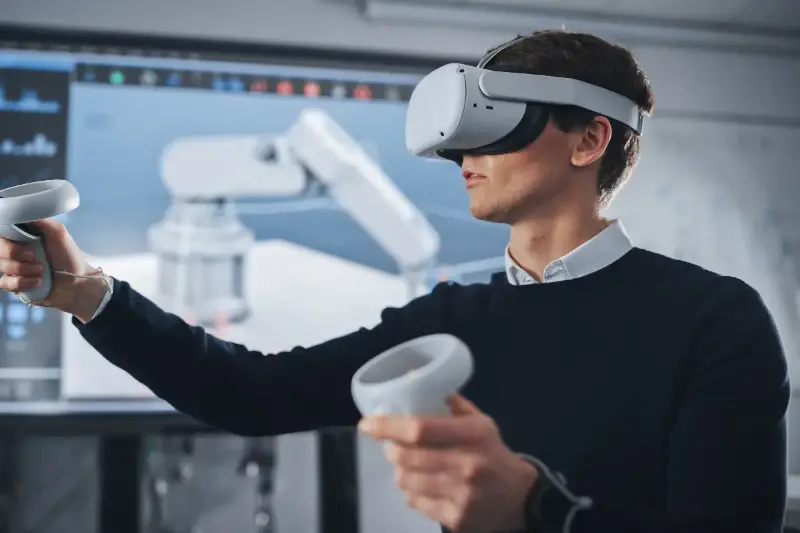
Whether you’re a student, a parent, a mentor, or forever a learner at heart, there’s never been a more thrilling time to step into the future of education. So, are voi ready to put on the headset and see what waits on the other side?