


Few cultural symbols capture the heart of a nation as eloquently as Vietnam’s iconic non la. Instantly recognisable by its wide brim and subtle conical shape, this simple hat is much more than sun-shielding attire. For centuries, the non la has been woven into the social fabric of Vietnamese life, standing gracefully at the crossroads of practicality, artistry, and timeless tradition.

The Origins And Evolution Of The Non La
The history of the non la dates back over 3,000 years, with early images on ancient bronze drums suggesting its presence in Vietnamese society long before written records. It is thought to have originated from the need to shield agricultural workers from the fierce tropical sun and heavy monsoon rains. Over time, the non la evolved, becoming not just a tool of necessity but also a cherished cultural emblem.
There are many versions of the legend detailing the birth of the non la. One popular folk tale tells of a compassionate goddess who wore a massive conical hat to protect people from torrential rain. In gratitude, villagers replicated her hat from palm leaves, thus beginning a tradition passed lovingly from generation to generation.

Materials And The Art Of Crafting
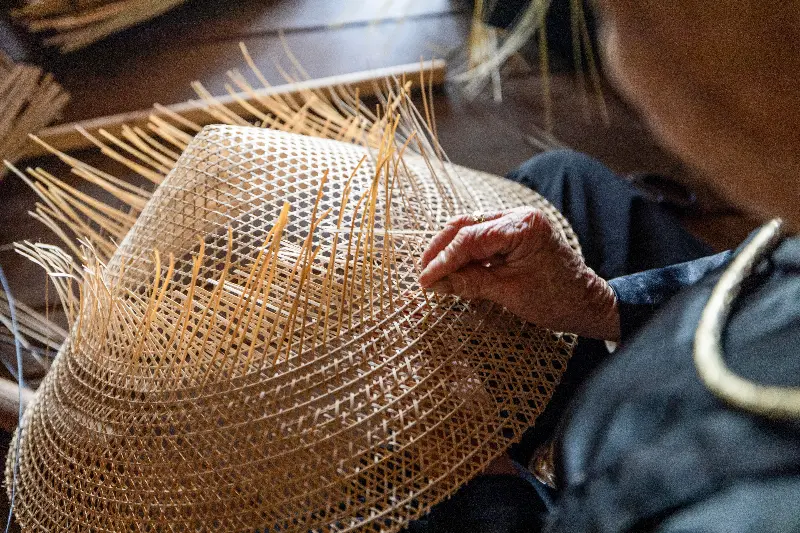
The non la is typically crafted from palm leaves, bark of the Moc tree, and bamboo for the frame. Each material is carefully selected for durability, flexibility, and water resistance. Generations of artisans, especially in the villages of Chuong and Hue, have mastered this process into a delicate art form.
The creation of each hat is an exercise in patience and skill. First, bamboo is split into thin, flexible strips for the framework, then young palm leaves are sun-dried, flattened, and sewn onto the frame using thin strands of thread. Particular expertise is required to ensure the leaves lay smoothly and the hat retains its perfect conical shape. The final product is not only feather-light but also impressively water-resistant, a true testament to Vietnamese ingenuity.
Symbolism And Social Significance
Non la is woven into the daily rhythms and rituals of both city and countryside. Farmers use it to keep sun and rain at bay as they work in their rice paddies. Street vendors wear it as they navigate bustling markets, and fishermen don it along the tranquil banks of rivers. More than mere protection, it acts as a symbol of endurance, humility, and connection to the nurturing Vietnamese land.
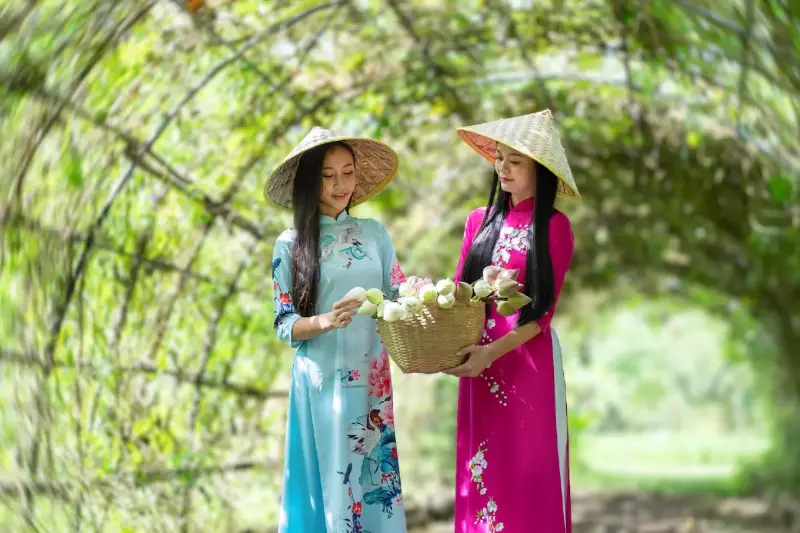
But the non la is also an emblem of beauty and grace, especially for Vietnamese women. When paired with the elegant ao dai, Vietnam’s traditional long dress, it transforms into an expression of poise and refined femininity. In poems, paintings, and songs, the silhouette of a woman in a non la conjures an image of gentle charm and quiet strength – ideals cherished in Vietnamese culture.

The Hidden Messages In Each Weave
Beyond its surface simplicity lies a surprising artistic depth. In certain regions, particularly Hue, artisans craft special variations known as non bai tho, or “poem hats.” These hats hide delicate designs and verses between their layers. When held up to the light, romantic images of landscapes, pagodas, or poetic lines appear as if by magic. This secret artistry turns each non la into a personal keepsake – a wearable work of traditional Vietnamese poetry.
Even details like the hat’s chin strap, often made of soft silk, carry significance. Colours and patterns might hint at the wearer’s origin, social background, or even the occasion. In some communities, it is customary for brides to wear elaborately decorated non la during their wedding ceremonies.
Non La In Modern Vietnamese Life
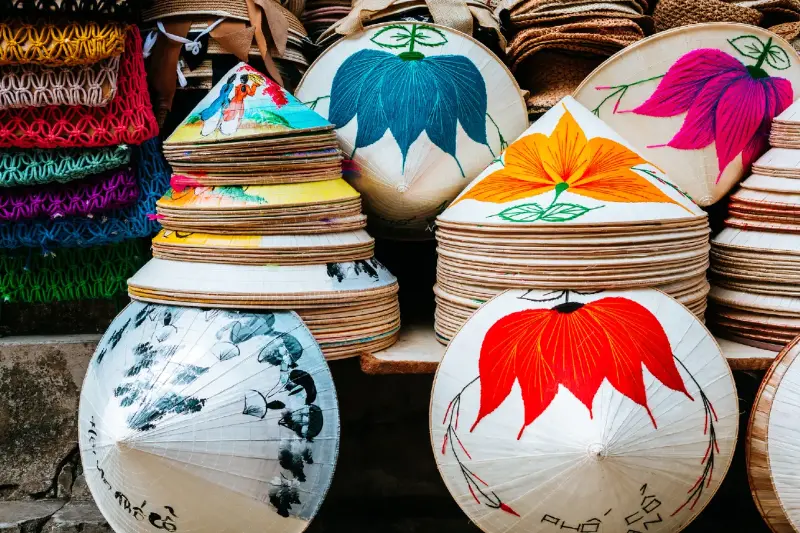
Far from fading into history, the non la has gracefully adapted to contemporary life. Young designers reinterpret it in fashion shows, urbanites accessorise with it during traditional festivals, and artisans experiment with new colours and materials while respecting time-honoured techniques. It is a staple at cultural events, appearing prominently in parades, dance performances, and beauty contests, where its elegant simplicity continues to turn heads.
Tourists are often captivated by street scenes awash with non la hats, becoming a favourite souvenir that connects visitors with authentic Vietnamese culture. Workshops organised in villages invite guests to try their hand at assembling a non la, offering them a tactile link to Vietnam’s artistic heritage.
A Lasting Icon Of Vietnamese Identity
Today, to see a non la is to glimpse the living history of Vietnam. Its broad brim represents protection and care. Its graceful silhouette reminds us of nature’s gentleness, while its robust build pays tribute to the resilience of Vietnamese people. Despite its humble origins, the non la’s journey has elevated it to the status of national treasure and a beloved emblem across generations.
Whether seen resting atop a market vendor’s head, worn by a bride on her wedding day, or displayed in a museum, the non la continues to enchant with its rustic beauty and layered meaning. In the ever-changing landscape of Vietnamese society, its allure endures – a symbol that will forever shade, shelter, and inspire.