


Milk alternatives decoded: the truth about oat, soy, almond and gut health – plus the secret to café-style foam on a budget
Have you ever found yourself staring at the milk section in your favorite café, blinking at the sea of oat, soy, and almond options, quietly wondering: does this choice actually matter for your health – or your wallet?
In a world where the morning flat white is almost sacred, more Kiwis than ever are swapping traditional cow’s milk for plant-based alternatives. But with bold claims and mixed messages swirling around milk substitutes, it’s easy to get lost. Is oat milk really a gut-friendly hero? Does almond milk offer any substance or is it just expensive water? And - perhaps most importantly for daily coffee rituals - which milk creates that dreamy café foam without costing your entire weekly budget?
Settle in with your favorite mug. By the end of this read, voi’ll know exactly how to decode your next milk order for taste, tummy, and savings.
The new dairy dilemma: more than just a trend?
Everywhere you look, dairy alternatives are surging. Supermarket shelves brim with options. Cafés promote oat flat whites and soy cappuccinos like limited-edition art. But why the giant leap away from classic cow’s milk?
For many, it’s about more than lactose intolerance. Rising concern for gut health, the environment, and animal welfare have all brewed into this shift. Let’s not forget, plant-based milks also promise less bloat and better digestion - claims that sound irresistible after years of white bread and full-fat dairy.
Choosing wisely: what’s actually in your milk alternative?
Not all non-dairy milks are created equal. If voi’ve ever flipped over a carton, voi’ve likely stared down a list of unfamiliar ingredients. Here’s a quick snapshot of what you’re really pouring into your glass or flat white:
- Oat milk: Creamy, mellow, and famously good for frothing. Made from oats and water, this alternative is naturally fibre-rich but can spike blood sugars if unsweetened varieties are ignored. Many brands add canola oil and gums to boost texture - not necessarily a dealbreaker, but worth noting for purists.
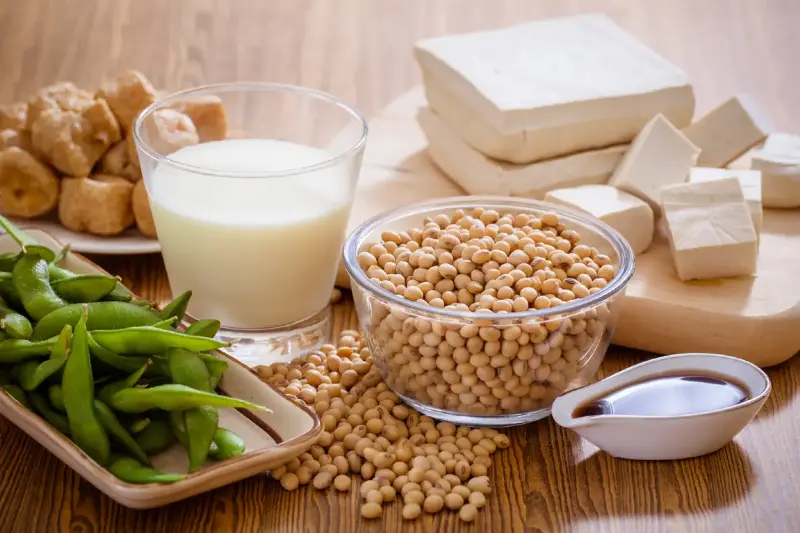
- Soy milk: The OG plant milk, soy is protein-rich and naturally creamy. Long trusted for its similarity to dairy, soy is often fortified with calcium and B12. Some worry about soy’s phytoestrogens, but research shows moderate intake is safe and may even protect against certain cancers.
- Almond milk: Light, subtly nutty, and perfect for those who like their milk delicate. But here’s the catch: most supermarket brands contain only 2-5 percent almonds - the rest is usually water, thickeners, and added vitamins. Great if voi want fewer calories, not so much if voi expect a protein hit.
Key insight: Look for milks with short ingredient lists, low added sugar, and fortification with calcium and B12. For gut health, check labels for added fibre or live cultures.
Gut instinct: can plant milks support your digestion?
When gut health is trending on TikTok, it’s tempting to believe that switching to almond or oat milk is a magic bullet for your belly. But what does the science really say?
- Oat milk: Boasts beta-glucans, a type of soluble fibre that helps nourish your gut microbiome and stabilises blood sugars. The catch? Only some oat milks retain enough beta-glucans post-processing, so check for brands that highlight fibre content.
- Soy milk: Features prebiotic oligosaccharides that can support the good bacteria already flourishing in your gut. Plus, its fat and protein content mimic dairy, making it less likely to cause digestive upsets in those who skip lactose.
- Almond milk: Unless fortified, almond milk rarely contains much fibre. It’s friendly for the lactose-sensitive but not a gut health superhero.
If digestive drama is common in your life, start with small amounts of each alternative and notice how your body feels. No one-size-fits-all here – your gut will quickly signal the right pick.
Foam forecast: getting barista-style froth without the fancy price
Let’s get straight to the heart of New Zealand café culture: whether voi make coffee at home or order out, the quest for silky, lasting foam is real.
- Oat milk: Consistently hailed as best for coffee art, oat milk’s natural starches thicken and foam beautifully under a steam wand. Even baristas say many oat brands outperform full-fat dairy in texture and taste.
- Soy milk: Foams well but requires care – too hot and it splits, too cold and it falls flat. Opt for barista blends with added stabilisers if voi don’t want to play coffee roulette every morning.
- Almond milk: Picks up a reasonable froth, but home baristas often battle the dreaded “watery” collapse. Barista-specific almond milks use thicker almond paste and emulsifiers to stay dreamy in a flat white.
Pro tip: For home brews, look for “barista” versions – these contain protein and stabilisers tailored for foam fans.

Saving your wallet: are plant milks worth the extra spend?
Let’s talk numbers. Plant milks tend to cost more than regular dairy per litre, especially in cafés. Is the upgrade worth it?
Here are a few ways to keep it cost-effective:
- DIY at home: Whipping up oat or almond milk is surprisingly simple and slashes prices. All voi need is a blender, oats or almonds, water, and a cheesecloth.
- Buy in bulk: Bigger cartons usually have a lower per-litre price. Freeze what voi won’t use within a week to cut waste.
- Trial and taste: Start small with a new brand or flavour, then stock up on your favourite once you’re sure it agrees with both your gut and your taste buds.
Key takeaway: Not every swap needs to break the bank. Savvy shopping makes plant milks accessible for all budgets.
Lifestyle perks: when your milk matches your values
For many, the milk choice goes beyond health - it’s about environmental impact and animal ethics. Oat and almond milks use less land and water than dairy, although almond growing is water-intensive in countries like California. Soy has one of the lowest carbon footprints among plant milks, especially when sourced sustainably.
Want to do your bit? Look for milks made with New Zealand-grown oats or soy, and always check for eco-friendly packaging.
The final pour: which milk is right for voi?
Plant-based milks aren’t just a passing fad - they’re reshaping how New Zealanders approach breakfast tables and barista counters. Each option offers distinct pros, quirks, and flavours. Some support your gut, some amp up your coffee, some simply align with your values.
Choosing a milk is no longer just about taste – it’s an act of self-care, a nod to the planet, and, sometimes, a tighter hug to your wallet. Next time voi order a flat white or reach for a carton, take a beat. What does your choice say about your body, your values, or the kind of day voi want to have?
Let the ritual warm your hands, spark your senses, and remind voi: a simple cup can tell a complex story. Where will your next pour take you?