


Few animals in the natural world inspire as much fascination and mystery as the pangolin. With its unique suit of scales, shy mannerisms, and crucial role in maintaining ecological balance, the pangolin is both a wonder of evolution and a symbol of the urgent need for wildlife conservation. Despite being the most trafficked mammal on the planet, many people have never heard of this extraordinary creature. Let’s uncover intriguing details about the pangolin and why its survival matters now more than ever.
The Pangolin’s Unmistakable Armour
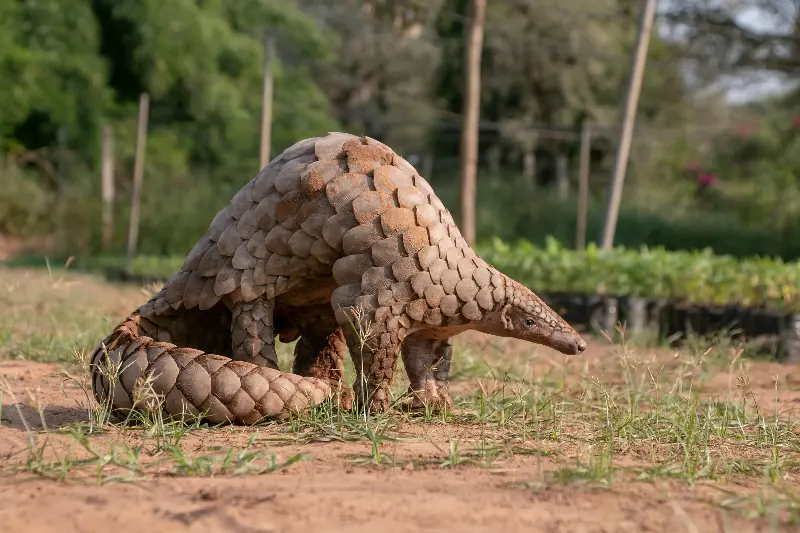
Outfitted from nose to tail in overlapping scales, the pangolin resembles a walking pine cone or, as some have fondly said, a small ‘artichoke on legs’. These scales are not just decorative. Made of keratin—the same material as our fingernails—they serve as a nearly impenetrable armour. Whenever threatened, a pangolin’s instinctive response is to curl itself into a tight, scaly ball, shielded from predators such as lions and hyenas.
Interestingly, pangolins are the only mammals on Earth to sport this suit of scales, making them one of a kind. A baby pangolin, known as a pup, hitches a ride on its mother’s tail while she forages for food, staying safe under her protection—an endearing sight that shows a softer side to this purportedly tough creature.
Diet Specialists: Nature’s Pest Controllers
Pangolins are strict insectivores, feeding almost exclusively on ants and termites. Using their keen sense of smell, they locate insect nests, then rip them open with their strong, clawed forelimbs. Perhaps even more impressive is the pangolin’s tongue: it can be as long as a third of its body, extending deep into narrow tunnels to lap up thousands of insects in a single sitting.
An adult pangolin can eat up to 70 million insects a year, playing a vital part in regulating insect populations and protecting forests, savannahs, and agricultural farmland from pest outbreaks. By tunnelling through soil in search of food, they also help aerate the ground, promoting healthy plant growth.
Secret Lives: Nocturnal and Elusive
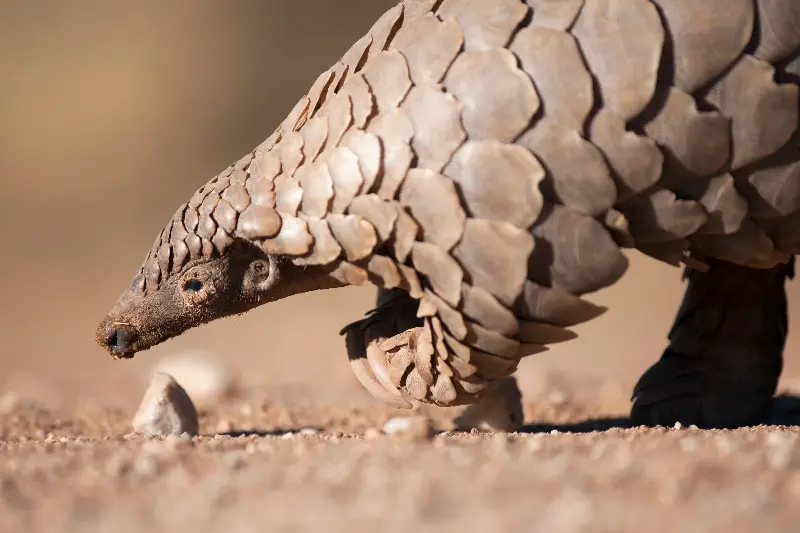
Much of the pangolin’s charm comes from its elusive nature. Mostly nocturnal, pangolins spend their days hiding in burrows or hollow trees, emerging at night to search for food. Their eyesight is poor, but what they lack in vision, they make up for with an extraordinary sense of smell, which guides them through their nightly excursions.
Despite their solitary and shy habits, pangolins are surprisingly resourceful. Some species are adept climbers, scaling trees with ease, while others are skilled burrowers capable of digging tunnels metres deep. Pangolins do not vocalise often, but mothers and pups sometimes communicate with soft snuffles and huffs—whispers of a world few ever witness.
The World’s Most Trafficked Mammal
Tragically, the very features that make pangolins so remarkable have also placed them at terrible risk. Their scales, long valued in traditional medicine and folk remedies, fetch exorbitant prices on the black market. Pangolin meat is considered a delicacy in some regions, further fuelling illegal hunting and trade.
Eight species of pangolin exist—four in Asia and four in Africa—and all are under threat. The International Union for Conservation of Nature (IUCN) lists every species as threatened, with some considered critically endangered. It’s estimated that over one million pangolins have been poached in the last decade alone, making their dwindling presence a clarion call for global conservation efforts.