


Hair straightening and smoothing decoded: should you try rebonding, keratin, or embrace soft waves?
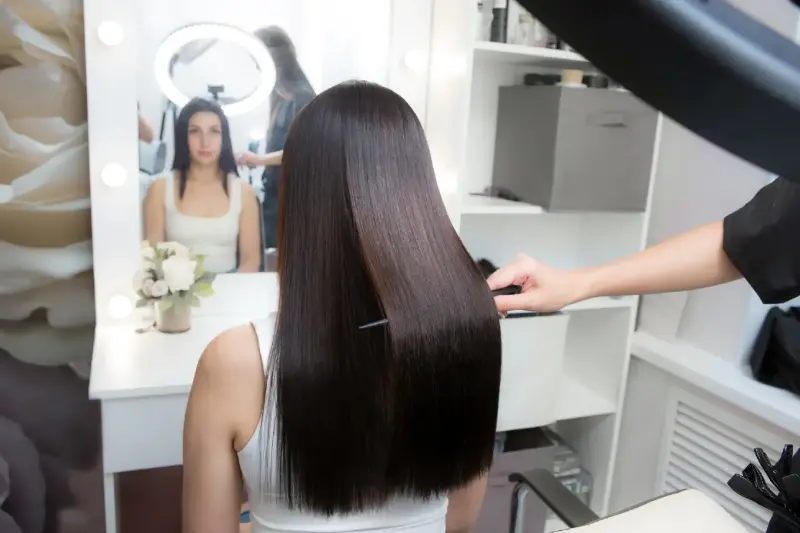
Have you ever stared at your reflection and wondered, just for a moment, how your life might change if your hair were perfectly, impossibly smooth? Maybe you picture gliding into a morning meeting, hair falling in glossy sheets, or running your fingers through silky strands at dinner on Ponsonby Road. The allure of straight, manageable hair is real - but if you’ve ever pondered the universe of rebonding, keratin treatments, or keeping your natural texture, you’re not alone.
Tonight, the rain drums down outside your window and the city lights catch in the swirl of your untamed mane. You scroll, searching for answers. You want more than just a quick fix. You want to understand your options, weigh the costs, and decide not just how you’ll style your hair - but how you’ll feel walking out the door each day. This is your guide: part myth-busting, part self-love, all tailored to help you choose what’s truly right for you.
Straight talk: understanding hair texture and why we crave change
We’ve all stood before a mirror, straightener in hand, tempted to iron out every wave and kink. But our relationship with our hair is deeply personal, entwined with confidence, culture, and even rebellion. Some days, wild curls shout freedom; other times, the quest for smoothness feels like a ritual of self-care.
Did you know: New Zealand weather, with its humidity swings and ocean breezes, can leave even the most disciplined hair routines in chaos. For many, especially if you juggle busy commutes or love an active lifestyle, consistency and ease have unmatched appeal.
So which path should you take? Let’s peel back the shiny salon promises and break down what really works - and for whom.
Rebonding: pin-straight payoff, high commitment
If you dream of hair that never rebels, rebonding could sound like the ultimate solution. This chemical process permanently restructures your hair’s bonds, leaving it stick straight for six months (or more).
Who is rebonding best for?
- Those with coarse, thick, or very curly hair seeking a dramatic transformation.
- Anyone wanting fuss-free styling every day.
Pause if you:
- Have fine, already damaged, or colour-treated hair (rebonding can be harsh and increase breakage).
- Love versatility or plan to return to curls or waves anytime soon.
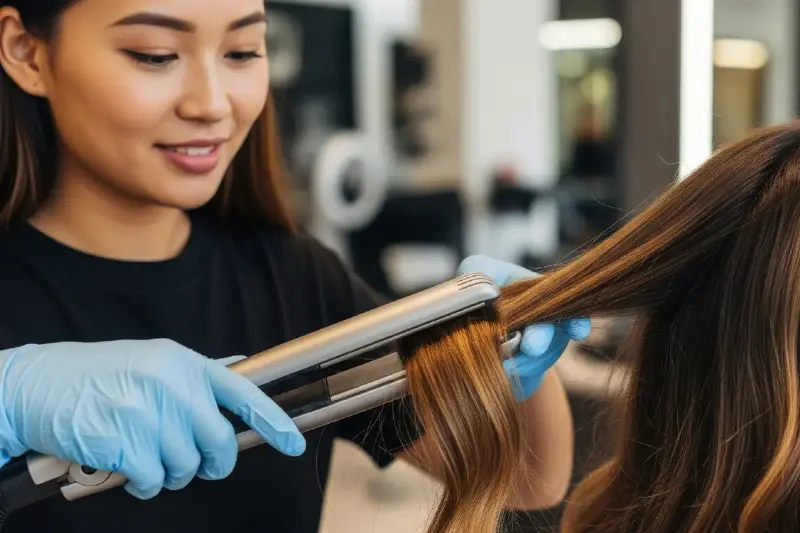
The real cost: Expect to pay between $250 and $500, depending on salon and hair length. Maintenance is non-negotiable - as hair grows out, roots will reveal your natural texture, so touch-ups every few months are a must.
Hidden truths:
- Once done, you’re committed. Undoing rebonding is notoriously difficult and can seriously damage your hair.
- Colour later, not sooner. Always colour after rebonding, not before; doing it the other way round can fry your strands.
- Heat tools? Only if you must. Less is more, as over-styling can cause brittle, limp hair.
Keratin smoothing: silky upgrade, gentle approach
If rebonding sounds intense, keratin treatments seduce with the promise of natural movement and brilliant shine. Keratin works by coating your hair in protein-rich formulas that fill in gaps from damage, smoothing the cuticle and dialling down frizz.
Best for:
- Anyone craving smoother, more manageable hair without sacrificing volume or shape.
- Medium to fine hair that suffers from frizz, humidity, or split ends.
Consider if you:
- Have sensitive skin or allergies (some formulas still contain low levels of chemicals like formaldehyde - always ask your stylist what’s in the mix).
- Want hair that can air-dry into soft waves or be blow-dried straight on demand.
Investment: Prices in New Zealand range from $200 to $400, with most treatments lasting two to three months.
What to note:
- It isn’t completely permanent. Hair slowly reverts to its natural state as the product washes out.
- Post-treatment rules matter. For up to 72 hours afterward, avoid gym sessions, hair ties, or ponytail holders to prevent dents.
- Sulphate-free shampoo only. Anything else shortens your results – and may dull that dreamy shine.
Soft waves: why sometimes less really is more
There’s a new movement swirling through NZ’s beauty scene - celebrating the patterns your hair wants to follow. From effortless beachy waves to subtle bends that frame the face, soft texture whispers understated glamour.
Why choose to skip the chemicals?
- Healthier in the long run. Less exposure to harsh processes means fewer split ends, less breakage, better scalp health.
- Emotional boost from authenticity. There’s something quietly powerful about embracing - and loving - your natural self.
- Wallet-friendly. Let’s face it, more cash for cocktails, travel, or splurging on a nourishing hair mask.
- Customisable styling. With the right cut and products, you can flirt with both sleekness and waves, whenever the mood hits.
If you want subtle change without commitment, modern styling tools and heat-protectant sprays offer flexibility. For many, regular trims and hydrating masks can coax out a healthier, shinier version of your real texture - minus the drama.
Myth-busting: maintenance truths that matter
No magic treatment erases upkeep altogether. Here’s what to really expect:
- All straightening weakens hair a bit. Deep conditioning is your new religion.
- Growth reveals all. You’ll need root touch-ups after rebonding, or refreshing keratin as it fades.
- The right shampoo and conditioner (ideally, sulphate-free and packed with nourishing ingredients) are non-negotiable.
- Night rituals count. Silk pillowcases and loose braids minimise friction and help preserve your investment.
Are you a rebonding, keratin, or waves kind of person?
Take a moment and get honest with yourself. Do you crave consistency or versatility? Can you commit to regular salon visits, or do you want waking up to be blissfully low-effort? Does your hair feel strongest when you leave it be, or does it thrive with a little smoothing magic?
Key takeaway: Listen to your hair’s needs, your lifestyle demands, and trust your instincts. Beauty is not just about mirrors - it’s about mornings, movement, and all the ways you show up in the world.
Quick-fire FAQ: decoding which treatment is for you
- Will rebonding damage my hair? If your hair is already compromised, yes. Seek pro advice first.
- Is keratin safer? Generally, yes - but check ingredient lists and discuss allergies or sensitivities with your stylist.
- Are waves professional enough? Absolutely. With modern cuts and products, waves can be polished and chic.
- Which lasts longer? Rebonding is permanent (until hair grows out), keratin is semi-permanent.
- What about costs over time? Both salon options require ongoing investment; embracing natural texture is the most budget-friendly.
In the end: beauty is a conversation, not a command
Maybe you’ll choose the glassy-smooth, gravity-defying polish of rebonding. Maybe the subtle, sunlit softness of keratin. Or maybe you’ll step outside tomorrow, rain on your skin, loving the way your hair moves wildly in the wind.
Whatever you decide, don’t let trends talk louder than your own voice. After all, your reflection is more than just hair - it’s the life you’re living, the choices you make, and the freedom to rewrite the rules as you go.
So tell us - how will you style the story of you?