


A symphony of delicate crispiness and a melt-in-your-mouth centre, the French macaron epitomises Parisian chic. With their vibrant colours and heavenly textures, these little treats can be the highlight of any dessert table. Despite their renowned reputation for being finicky, making macarons isn't beyond the reach of a novice. Let's dive into the enchanting world of macaron-making and bring some French magic into your kitchen.
French macarons are primarily built from almond flour, egg whites, and sugar. Though the list appears simple, the technique is where the magic happens. Precision and patience are paramount in delivering the perfect macaron.
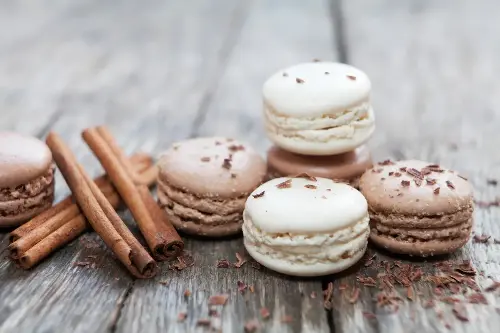
Starting with the ingredients, make sure you use superfine almond flour for the smoothest possible texture. If it is unavailable, you can pulse regular almond flour in a food processor to get it finer. Your eggs should be aged; leave them out for about 24-48 hours to make sure they whip up to the perfect consistency, a crucial step that impacts the final product.
Begin the process by sifting together your almond flour and powdered sugar. This ensures a fine, lump-free mixture and is an essential step towards achieving smooth macaron shells. Weighing ingredients with a kitchen scale instead of relying on cups and spoons can significantly affect the outcome, so borrowing or investing in one if you don’t already own one is a wise move.
Next comes the meringue, the heart of the macaron. Whisk your aged egg whites until they form soft peaks. Gradually add granulated sugar while continuing to whisk until you reach stiff peaks. The meringue should be glossy, but not dry. At this stage, flavourings and food colouring can be added. Use gel or powder food colouring to maintain the consistency of your meringue—liquid can be detrimental.
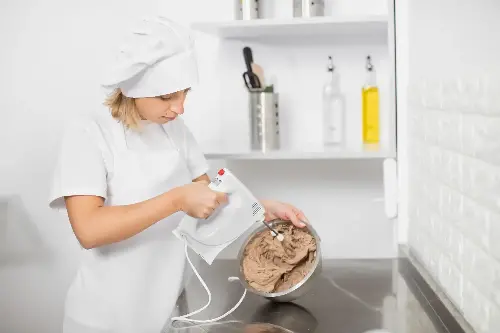
Now, it’s time for the macaronage—the process of mixing the dry ingredients into the meringue. Add the almond flour mixture to the meringue in batches, folding gently using a spatula. The folding process involves a technique called ‘deflating, where you push the batter around the bowl and then cut through the centre. Achieving the right consistency here is crucial; the batter should flow like lava and form thick ribbons when the spatula is lifted.
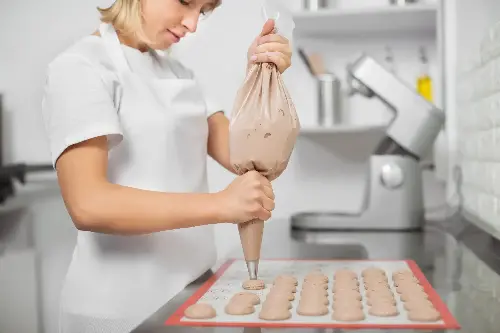
Pipe the mixture onto parchment paper or a silicon baking mat on your baking tray. Holding the piping bag vertically, pipe small circles, ensuring consistent sizes to promote even baking. Tap the tray vigorously on your countertop to release any trapped air bubbles, and use a toothpick to pop any that come to the surface.
Allow the piped macarons to rest until they've developed a skin—a dry surface that doesn't stick to your finger when lightly touched. This resting time prevents cracks and promotes the formation of the macaron's characteristic foot. Depending on your kitchen's humidity, this could take 30 minutes to an hour.
Preheat your oven to around 150°C (300°F) and bake the macarons for 15–18 minutes. They should form feet and remain slightly sticky in the centre. Once baked, allow them to cool completely on the tray to prevent the delicate shells from breaking.
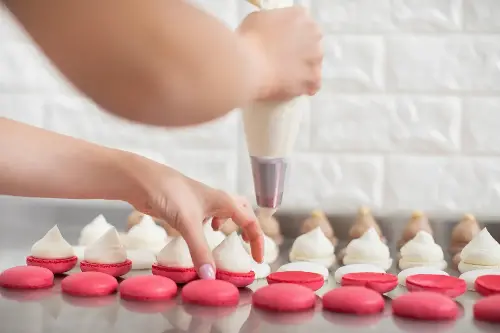
Selecting the macaron filling is where you can get creative. Traditional fillings include ganache, buttercream, or fruit curds, but the possibilities are endless. When assembling, match pairs of similar-sized shells and pipe a small amount of filling onto one shell before gently pressing the other on top, just until the filling reaches the edges.
Some vital tips for beginners include avoiding making macarons on a humid day, as it can affect their texture. Using aged eggs can seem superfluous, but skipping this step might compromise your results. It's also helpful to invest in a thermometer for ensuring the correct oven temperature, as a few degrees off can make or break your macarons.
Finally, as tempting as it might be to dig in straight away, macarons always taste better after resting a day or two in the refrigerator, which allows flavours to meld and the texture to set perfectly.
So, put on some French jazz, don your apron, and transform your kitchen with these delightful Parisian treats. With some patience and practice, you’ll master the art of macaron-making and be the talk of any gathering. Bon appétit!