


In recent years, spray sunscreens have become a popular choice for those seeking a convenient alternative to traditional lotion-based sunscreens. With the pressing urgency to protect our skin from the harmful effects of UV rays, understanding the effectiveness of spray sunscreens is crucial.
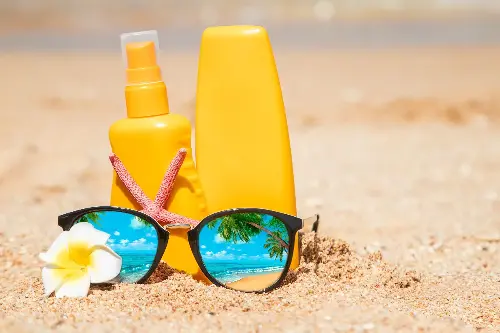
The appeal of spray sunscreens lies in their quick application and ability to cover large areas of the skin with ease, making them a go-to option for those on the move. The continuous mist promises even coverage and can be particularly handy for reaching awkward spots like the back and shoulders. Moreover, they are a blessing for parents trying to apply sunscreen to energetic children who can't sit still.
Despite the convenience, the question remains: are spray sunscreens really effective? The answer is not a straightforward yes or no. When used correctly, spray sunscreens can provide adequate protection. The key, however, is to ensure that you are applying enough of the product to fully cover all exposed skin and to reapply it regularly, especially after sweating, swimming, or towel drying.
One of the pitfalls of spray sunscreens is the difficulty in gauging how much product you're applying. The aerosol application is prone to uneven coverage, particularly if you apply it hastily or if there's wind blowing while you're spraying. It’s possible to miss spots or apply too thinly, which significantly diminishes the level of protection. Therefore, experts often recommend spraying until the skin glistens, then rubbing in the sunscreen to ensure no areas are missed.
Furthermore, the very nature of the spray mechanism raises concerns about inhalation of the ingredients. This is particularly worrisome for young children or for individuals with respiratory issues. To reduce the risk, it’s advisable to avoid spraying directly onto the face; instead, spray onto the hands first and then apply to the face.

Another critical point to consider is the type of sunscreen within the spray. Sunscreens can be chemical, containing organic compounds that absorb UV radiation, or physical (mineral), containing inorganic compounds like zinc oxide or titanium dioxide that reflect UV radiation. The formulation impacts not only the sunscreen's efficacy but also its safety profile and suitability for sensitive skin.
Environmental impact is yet another consideration. Some spray sunscreens contain volatile organic compounds (VOCs) that contribute to air pollution and may also be harmful to marine life if they contain components like oxybenzone and octinoxate, which have been linked to coral bleaching.
It is also worth noting that, while many sunscreens boast water resistance, no sunscreen is entirely waterproof. Any sunscreen, whether it is a spray or lotion, will need reapplication after exposure to water or sweat. It is recommended that sunscreen be reapplied at least every two hours, and even more often if you are swimming or perspiring heavily.
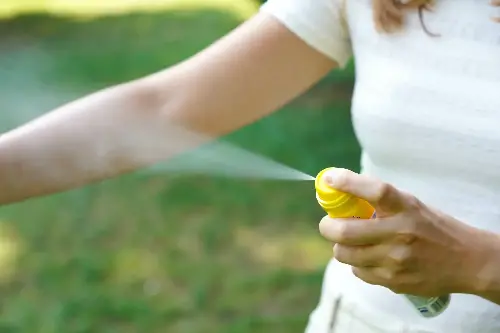
The effectiveness of any sunscreen, including spray sunscreens, is also dependent on the Sun Protection Factor (SPF). It is universally advised to use a sunscreen with at least SPF 30, which blocks 97% of UVB rays, with higher SPFs offering slightly more protection. However, no sunscreen can block 100% of the sun's rays, and high-SPF products may only offer marginal additional protection.
In conclusion, spray sunscreens can be an effective form of sun protection when used with care and vigilance. They offer a practical solution for those who require speedy application or have hard-to-reach areas. However, mindful application, regular reapplication, adequate coverage, and attentiveness to safety are essential for these convenient sprays to serve their purpose well. As with any form of sunscreen, the best protection comes with layering approaches—avoiding the sun during peak hours, wearing protective clothing, and equipping yourself with a broad-spectrum sunscreen that suits your skin type and lifestyle.