


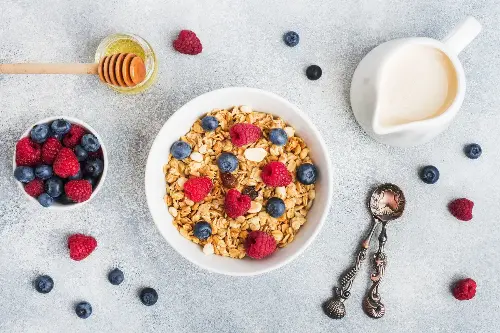
Muesli is more than just a hearty breakfast choice. It’s a blend of ingredients that have come to symbolise a commitment to health and wellness. But is it worthy of its virtuous reputation? This beloved breakfast mix is a fusion of grains, nuts, seeds, and dried fruit, and it packs a nutritional punch—with a few caveats.
Origins and Preparation
Originally concocted by a Swiss physician in the late 19th century, muesli was designed as a nutritious start to the day. The traditional Swiss muesli is soaked overnight, a process that aids in digestion. Most commercial varieties today, however, can be consumed without the need for this preparation.
Fibre Content and Health Benefits
Firstly, muesli's benefits are largely derived from its high fibre content. The whole grains that form its base, such as oats, wheat, barley, or rye, are rich in soluble and insoluble fibres. Soluble fibre is known to help reduce LDL cholesterol levels, thus supporting heart health. On the other hand, insoluble fibre aids in digestive health, promoting regular bowel movements and preventing constipation.
Nuts and Seeds
The nuts and seeds in muesli provide a healthy dose of essential fats, protein, and various vitamins and minerals. Almonds, for example, are a good source of vitamin E and magnesium, while sunflower seeds offer vitamin B, which is crucial for energy production and brain health. Nuts also add a satisfying crunch, making the meal more satiating.
Dried Fruits
Dried fruits lend a natural sweetness to muesli, eliminating the need for added sugars. They are also a good source of antioxidants and vitamins, particularly potassium in dried bananas and iron in dried apricots. Yet, it’s important to keep in mind the portion sizes, as dried fruits are also higher in calories and can contribute to sugar intake.
Choosing the Right Muesli
However, not all muesli mixes are created equal. The health impacts can vary widely depending on the processing techniques and the inclusion of added sugars or artificial flavourings. Some commercial muesli products are laden with hidden sugars and preservatives that can negate the benefits of the wholesome ingredients. It is crucial to read the labels and opt for brands that prioritise natural, whole-food ingredients without added sweeteners.
Caloric Content and Portion Control
People often wonder about the calorie content of muesli. While muesli can be a part of a weight management plan, serving size is key. It is calorie dense, thanks to its nutrient-rich composition, so those watching their caloric intake should consider measuring their portions to avoid overeating.
Glycaemic Index
Another aspect to consider is the glycaemic index (GI) of muesli, which varies based on the ingredients. A mix dominated by oats, which have a low GI, can provide a slow release of energy, helping to keep blood sugar levels stable throughout the morning. A surge in blood sugar can lead to a mid-morning energy crash, but a lower-GI breakfast like muesli, coupled with a good balance of proteins and fats, can help mitigate this.
Promoting Satiety
The fibre and protein combination in muesli is excellent for those looking to keep hunger at bay until their next meal, making it a popular choice for people who have busy mornings. Moreover, when paired with yoghurt or milk, muesli becomes a probiotic-friendly meal, promoting gut health and potentially improving immunity.
Versatility and Personalisation
Muesli also offers plenty of versatility. You can enhance its health benefits by adding fresh fruits or opting for fortified muesli varieties that have added vitamins and minerals. For an extra dose of omega-3 fatty acids, consider stirring in a spoonful of flaxseeds or chia seeds.
Dietary Considerations
For individuals with specific dietary requirements, muesli can be both a blessing and a potential pitfall. Gluten-free eaters must ensure that their muesli is made with gluten-free grains, while those with nut allergies must check for nut-free declarations on the packaging.
In summary, muesli can be an incredibly nutritious start to your day when chosen carefully and consumed in moderation. Remember that the healthiest muesli is one that is high in fibre, contains whole grains, nuts, seeds, minimally processed dried fruits, and is low in added sugars. Always keep an eye on portion sizes to maintain a balanced diet. So, the next time you reach for your morning bowl, consider what’s in your mix and how it aligns with your health goals. With its myriad of varieties and potential for personalised additions, muesli truly can cater to almost any dietary preference or nutritional need. By making informed choices with muesli, you can ensure that this breakfast staple serves your body as well as tickles your taste buds.