


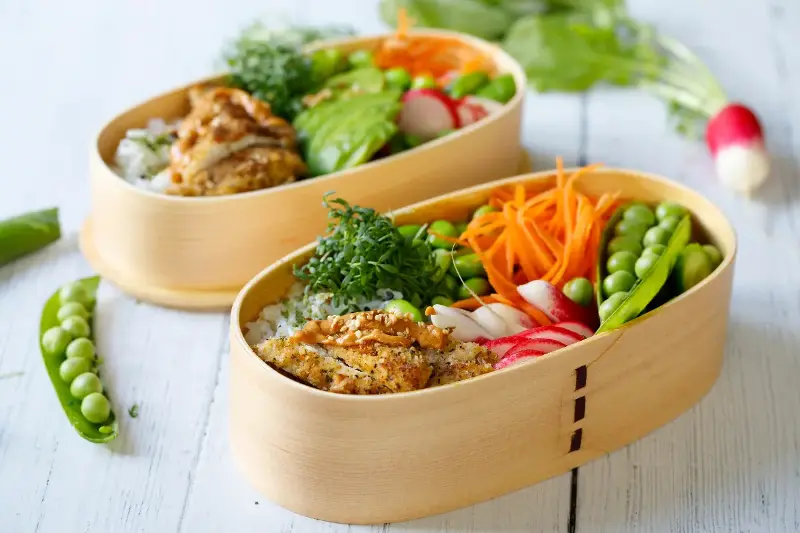
The bento box secret: portioning for pleasure and savings
When you think of Japanese bento boxes, the first things that spring to mind might be their vibrant appearance or the thoughtful way each food fits in tidy compartments. But there’s a deeper genius at work here. Bento boxes teach deliberate portioning, ensuring every bite has a place and nothing is wasted. Just as artists use palettes, home cooks can channel this approach by prepping meals in visually appealing containers—even simple lunch boxes. The benefits go beyond cuteness: you’re guided to pack only what you need, limiting leftovers that turn into fridge fossils.
In daily routines, replicating bento logic offers practical gains:
- Reduced portion sizes help save money and calories.
- Meals feel special and cared for—ideal for encouraging fussy eaters, adults and children alike.
- You get variety without over-preparing, using up small odds and ends: a few cherry tomatoes, last night’s roast chicken, a spoonful of steamed veggies.
This form of “small-batch eating” not only encourages creativity, but prevents waste from forgotten fridge items.
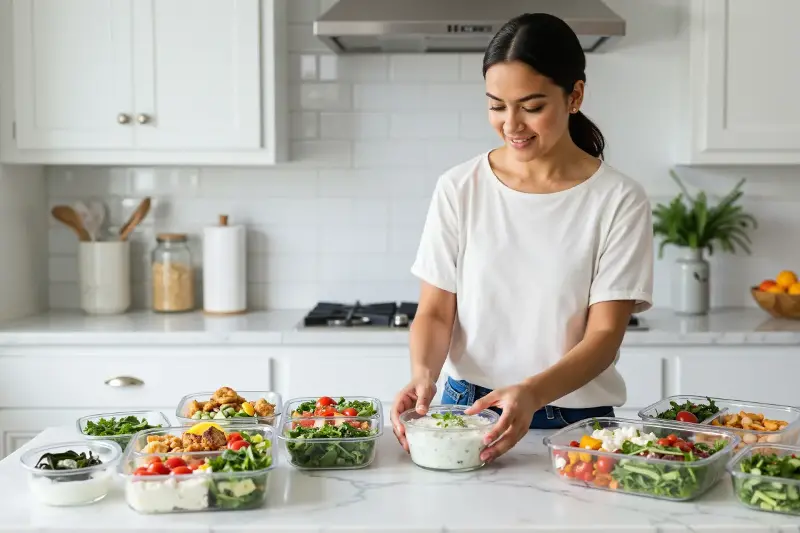
Batch cooking brilliance: plan once, eat many
Batch cooking, on the other hand, turbocharges kitchen efficiency. Instead of facing the daily “what’s for dinner?” puzzle, create meals in bulk—enough for several sittings. It sounds simple, but the savings are remarkable. Buying ingredients in larger quantities often means better deals, less packaging, and fewer impulse buys at the store. Even so, success depends on the right tactics:
- Choose recipes that freeze well or last in the fridge: chili, stews, curries, pasta bakes.
- Store in labeled containers—portion out, so reheating is quick and efficient.
- Rotate meals, mixing up grains or sides so nothing feels repetitive.
Batch cooking doesn't just slash waste; it frees up precious time on busy weeknights and keeps takeout temptations at bay!
Clever habits from around the world
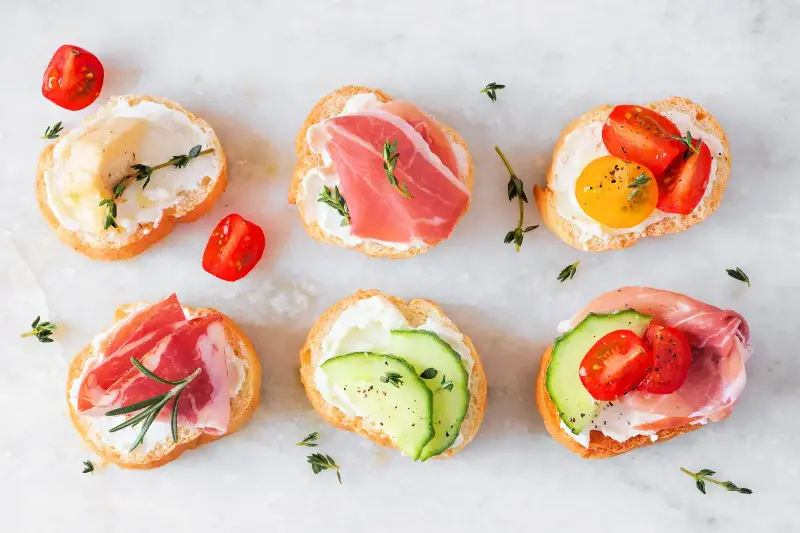
Every culture offers wisdom for stretching ingredients and saving money. In Italy, leftover bread isn’t binned—it becomes ribollita soup or crunchy crostini. In India, vegetable peels are turned into chutneys. Companies in Korea popularize kimchi-making sessions as social batch-cooking events—ensuring preservation and preventing surplus produce from spoiling. You, too, can create a mini ecosystem in your kitchen:
- Freeze herb stems to flavor broths.
- Roast root veggie skins for chips.
- Blend overripe fruit into smoothies or popsicles.
Each habit is a small rebellion against the throwaway mindset, simultaneously protecting both wallet and planet.
Getting started: easy wins for beginners
If the idea of meal planning feels overwhelming, dip your toes in with a few tried-and-true tips:
- Start by prepping a single ingredient in bulk—roast a tray of vegetables or cook up a big pot of grains that can serve as the base for different meals.
- Embrace “planned leftovers”—tomorrow’s lunch is today’s dinner, reinvented.
- Keep a running list of what’s in your fridge to avoid duplicate purchases or forgotten treasures.
Celebrate every step—each meal saved from waste is a victory for both budget and conscience.
Adopting bento-inspired meal portioning or batch-cooking isn’t just about saving a bit of money or time. It transforms how you value resources and sparks everyday creativity. What might you discover about your taste, habits, or cultural roots as you explore these paths? Could small tweaks in your kitchen lead to bigger shifts in how you view consumption and care? The answers may surprise you—and invite a future filled with less waste, more flavor, and a generous helping of curiosity.