


Ultra Processed Foods Under the Microscope: What Science Really Reveals, How to Outsmart Labels, and Delicious Swaps That Honor Taste and Tradition
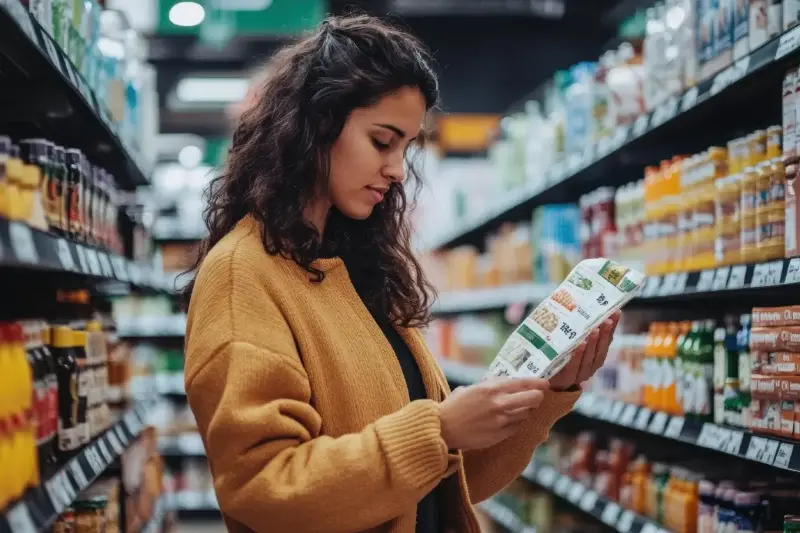
Have you ever looked at the back of a snack pack and wondered, “What exactly am I putting into my body?” You’re not alone. Today, ultra processed foods (UPFs) aren’t just lurking in shiny wrappers - they’re filling supermarket aisles, dominating dinner plates, and quietly reshaping our health in ways that science is only beginning to unravel.
Imagine the snap of a perfectly salted chip, the sweetness of a creamy dessert, the swift comfort of your favorite drive-thru meal. These foods are engineered for delight but, beneath their irresistible taste and endless convenience, there’s a growing story that deserves your attention. In this article, you’ll discover the latest research peeling back the layers on UPFs, smart ways to decode the dizzying food labels in seconds, and simple, affordable swaps that keep the pleasure on your plate - without sacrificing the flavors or traditions you cherish.
Craving answers? Let’s take a closer look, together.
What’s Really Inside Ultra Processed Foods? Deeper Than You Think
If you imagined UPFs as just a bit of extra sugar or fat, prepare for a surprise. The category includes everything from soft drinks and packaged breads to breakfast cereals and ready meals, and it’s not about a single ingredient but rather a whole new way of making food.
Scientists define ultra processed foods as products that are industrially formulated using ingredients you wouldn’t normally find in a home kitchen, like artificial flavors, preservatives, colorings, processed proteins, and mysterious compounds like “hydrolyzed” this or “stabilized” that. The result? Foods that last longer, taste intense, and all too often, nudge you into eating more than you intended.
Key insight: Ultra processed doesn’t just mean “bad” or “junk” - it’s a sign the food has been engineered for shelf life and mouthfeel, not your wellbeing.
Latest Research: What Are Ultra Processed Foods Doing to Us?
Recent studies are raising the alarm, but the nuances matter. Here’s what science is finding:
- Increased risk of chronic illness: Multiple large-scale studies, including recent findings in The BMJ and JAMA, connect high UPF consumption to serious risks - think obesity, heart disease, type 2 diabetes, certain cancers, even depression.
- The gut-brain connection: UPFs can disrupt gut microbiome balance, potentially affecting mood, cravings, and immune response.
- It’s not just the fat, sugar, or salt: While these play a part, new research spotlights the role of additives and texture modifiers, like emulsifiers and flavor enhancers, which may drive inflammation or overconsumption.
But, researchers emphasize, not all UPFs are equally harmful, and how you balance your diet matters as much as the foods themselves.
Quick-Scan: How to Outsmart Food Labels in 20 Seconds Flat
Food labels are constructed to confuse you - but you can be smarter. Here’s how to become a label-reading ninja, fast.
- Flip to the ingredients list first. Ignore the flashy claims on the front. Instead, scan the actual ingredients.
- Count the number of ingredients. More than five to seven, especially with words you wouldn’t use at home? Likely ultra processed.
- Look for red-flag ingredients:
- Hydrogenated oils
- High-fructose corn syrup
- Artificial flavors and colors
- Emulsifiers and stabilizers (eg: lecithin, carrageenan, mono- and diglycerides)
- Note the order. Ingredients at the top make up most of the product - if the first three aren’t whole foods, think twice.
- Ignore “healthy halos.” Words like “natural,” “multigrain,” or “vitamin-fortified” don’t cancel out ultra processing.
Pro tip: If it takes too long to figure out what’s in your food, that’s an answer itself.

Crave-Worthy Swaps: Save Your Favorites, Upgrade Your Health
Giving up beloved foods doesn’t mean giving up joy or flavor. The secret is finding swaps that honor your cravings and culture, while nourishing your body. Here’s how:
- For the snack lover:
Swap flavored chips for air-popped popcorn, roasted nuts with spices, or crispy chickpeas - all with a fraction of the additives and full savory satisfaction. - For the busy breakfast:
Trade boxed cereals for overnight oats with berries and honey, or yogurt topped with seasonal fruits and seeds. - For the sweet tooth:
Move from packaged cookies to homemade banana bread, or try dates stuffed with nut butter for nature’s caramel treat. - For frozen meals:
Batch-cook family recipes and freeze portions. Dishes like chili, stir-fries, or soups shine with familiar flavors and clean, recognizable ingredients. - For drinks:
Choose sparkling water with a squeeze of citrus or iced herbal tea instead of sugary sodas or energy drinks.
Highlight: Affordability doesn’t have to mean bland or boring. Many swaps cost the same or less than brand-name UPFs - and come with a side of pride and cultural connection.
Can You Eat Ultra Processed Foods and Still Feel Good?
Life is about balance, not restriction. Enjoying occasional ultra processed foods at a party, on the road, or out of nostalgia isn’t the enemy. It’s the routine, every-meal reliance on factory-made convenience that tilts the scales.
Ask yourself:
- Does this meal leave me feeling energized, or sluggish?
- Am I savoring the experience, or mindlessly munching?
- How often am I choosing food for speed, not for pleasure or connection?
Emotional insight: Food isn’t just fuel - it’s comfort, celebration, and memory. You can honor those cravings without giving up control over your health.
Takeaway: The Power to Choose - In Every Bite
By reading this far, you’ve gained the tools to look at ultra processed foods with sharper awareness - not just as forbidden temptations, but as choices you can reshape, savor, and enjoy with intention.
- Knowledge is power. You’re now equipped to spot hidden UPFs, decode sneaky labels, and make swaps that truly fit your life.
- Taste doesn’t have to suffer. With a sprinkle of creativity, you can keep cultural favorites and satisfying flavors at the heart of your diet.
- Small changes count. Even a few mindful swaps each week can add up to big improvements in energy, mood, and long-term health.
A final thought to chew on: What’s the next food you’ll “upgrade” - and how could this simple act ripple out into the way you care for yourself, connect with loved ones, and rediscover the joy of eating? There’s a whole world of flavor waiting just outside the box. Will you take a bite?